"NO EXISTE LA MOTO PERFECTA, EXISTE LA MOTO QUE CUMPLE CON TUS REQUISITOS TÉCNICOS. COMPRAR UNA MOTO POR ESTÉTICA ES EL PRIMER ERROR DEL MOTOVIAJERO."
✅ RESPUESTA RÁPIDA
CUÁL ES LA MEJOR MOTO PARA VIAJAR?
La mejor moto es la que ya tienes, porque la conoces y confías en ella. Si vas a comprar una nueva, tu elección debe basarse en el terreno y la compañía: **Trail de peso medio** para aventura mixta en solitario, o **Touring de gran cilindrada** para máximo confort en pareja por asfalto.
TABLA DE CONTENIDOS
1. QUÉ REQUISITOS DEBE CUMPLIR LA MOTO IDEAL?
Antes de perderte en catálogos y cifras de potencia, debes entender que una moto de viaje es una herramienta. Para que esa herramienta no te falle en mitad de la Patagonia o de los Alpes, debe cumplir estos cuatro pilares técnicos innegociables:
PUNTOS CLAVE DE LA MOTO IDEAL
- 01Autonomía Real: Mínimo 300km. Quedarse sin gasolina en zonas remotas no es una aventura, es un error de planificación que tu moto debe ayudarte a evitar.
- 02Reparabilidad: Puede un mecánico local entender qué le pasa? Evita sistemas extremadamente complejos que solo se puedan diagnosticar con software propietario.
- 03Relación Peso/Potencia: La regla de oro: debes poder levantar la moto cargada tú solo. Si necesitas ayuda, la moto es demasiado pesada para tu viaje.
- 04Ergonomía de Larga Distancia: El triángulo ergonómico debe permitirte pilotar 8 horas sin que el dolor de espalda o rodillas nuble tu juicio.
2. MOTOR Y CILINDRADA: EL "PORQUÉ" TÉCNICO
La cilindrada no es para ir más rápido, es para ir más relajado. Un motor más grande sufre menos a velocidades legales, lo que se traduce en mayor fiabilidad mecánica a largo plazo.
Bicilíndricos (Peso Medio/Grande): Son los reyes del viaje. Ofrecen el equilibrio perfecto entre par motor para adelantar con carga y una suavidad de marcha que reduce drásticamente la fatiga física del piloto en tiradas largas.
Monocilíndricos: Su gran ventaja es la ligereza y la simplicidad mecánica. Son imbatibles si tu viaje es mayoritariamente por tierra, pero sus vibraciones constantes pueden agotar a cualquiera en enlaces largos por asfalto.
"Si tu presupuesto es ajustado o ya tienes una moto pequeña, no te frenes. Te invito a leer mi post sobre viajar en moto de baja cilindrada, donde explico cómo llegar igual de lejos con menos motor."
3. EQUIPAJE: RÍGIDO VS SEMIRRÍGIDO
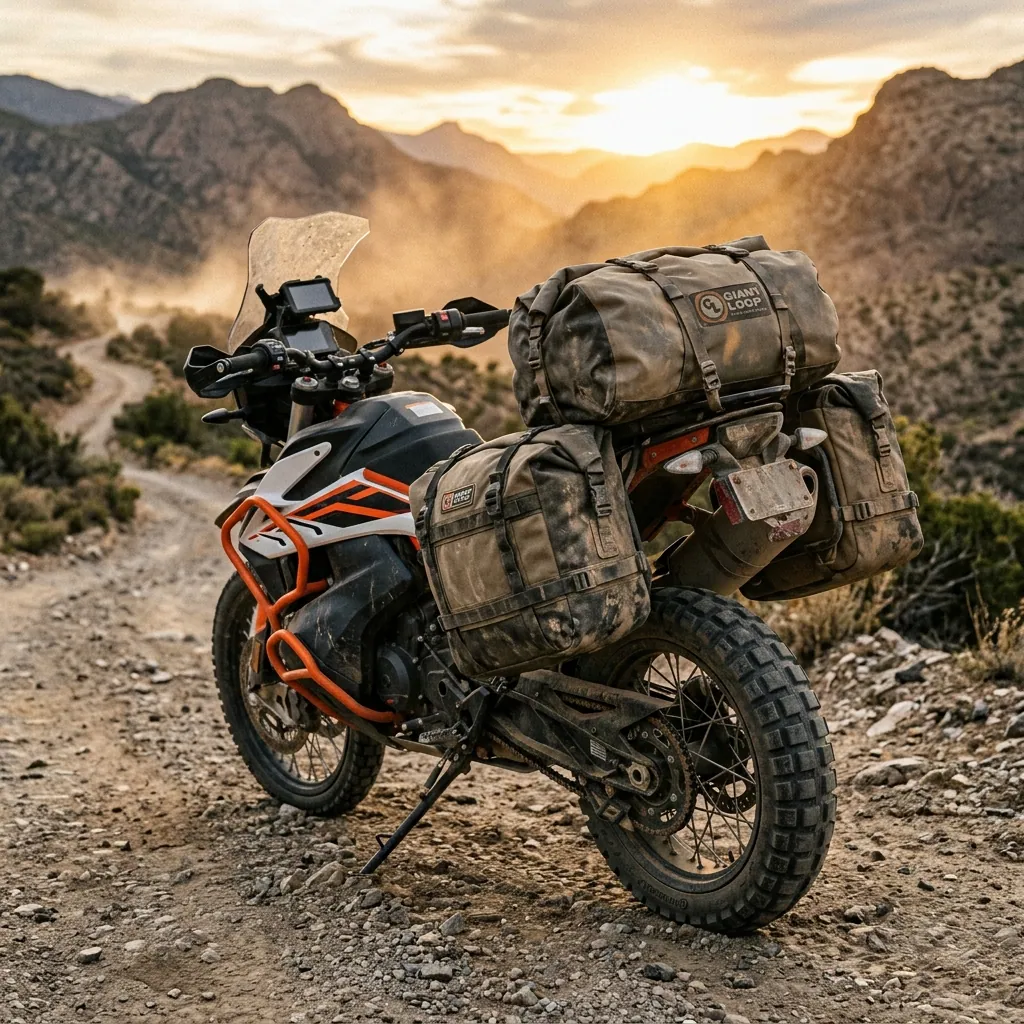
Tu elección de maletas define tu seguridad activa y pasiva. No es una cuestión de estética "adventure", sino de física aplicada al terreno que vas a pisar:
MALETAS RÍGIDAS
El porqué: Seguridad total contra robos en paradas y estanqueidad garantizada. Si tu viaje es 100% asfalto y duermes en hoteles, son la opción más práctica.
MALETAS SEMIRRÍGIDAS
El porqué: Seguridad física en Off-Road. Una caída en tierra con maleta rígida puede atrapar tu pierna y fracturarte el tobillo. Las maletas blandas absorben el impacto y son mucho más ligeras para el subchasis.
4. ELECTRÓNICA: ÁNGEL DE LA GUARDA O TRAMPA MECÁNICA?
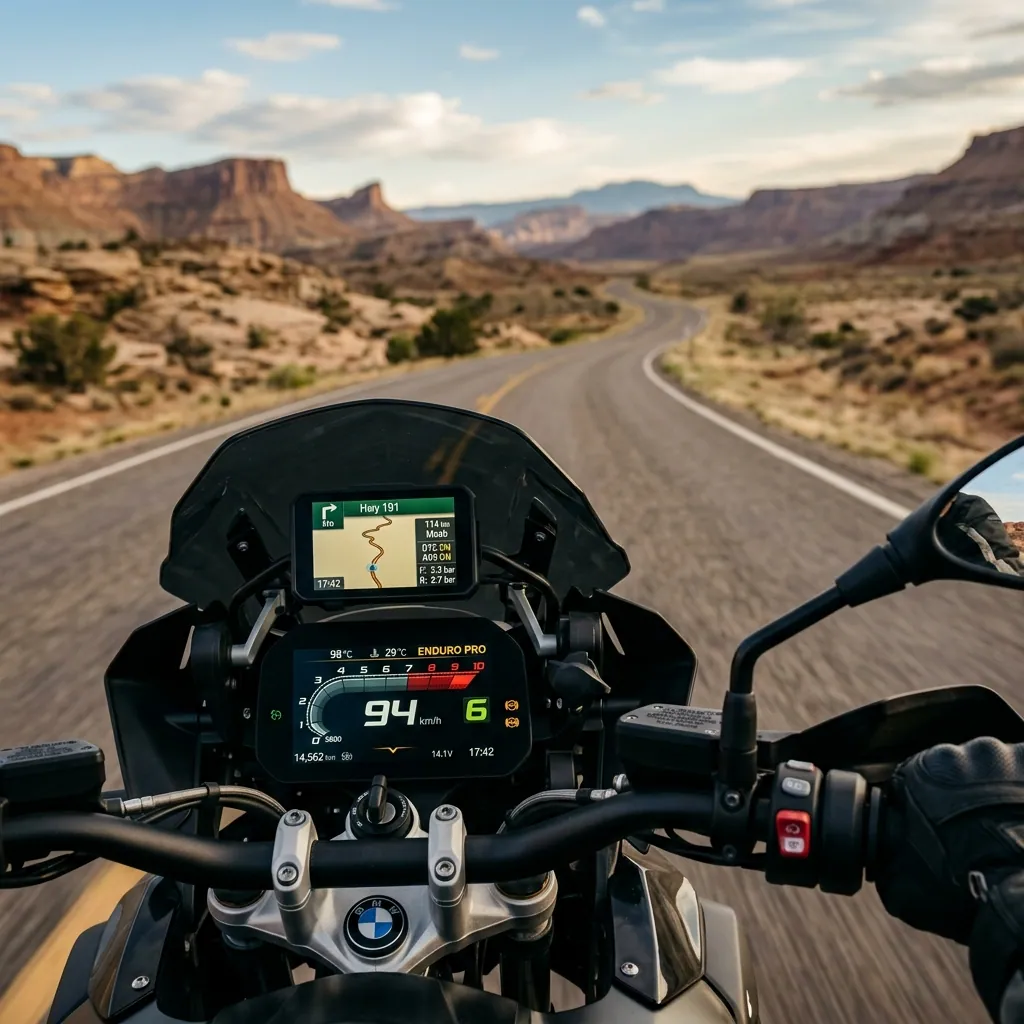
Muchas de las motos modernas, podria decirse que son ordenadores con ruedas. Sensores de inclinación, aceleradores electrónicos, modos de conduccion y un largo etc... Todo esto es maravilloso... hasta que algo de toda esa maravilla falla en una zona remota donde la falta de mecánicos especializados es la moneda corriente. Si estas pensando en comprarte una moto llena de gadgets para hacer un viaje largo, el riesgo de que algo de toda esa maravilla falle, aumenta... tenlo presente
EL RIESGO DE LOS SENSORES
En un viaje largo por zonas remotas, no encontrarás un servicio técnico oficial. Si un sensor falla y la moto entra en modo de seguridad, tu viaje se detiene. La unica electrónica que deberia tener tu moto esta relacionada a la seguridad activa (ABS) Todos los lujos electronicos innecesarios solo añaden puntos de fallo imposibles de reparar por mecanicos locales.
5. EL VEREDICTO: CUÁL COMPRAR SEGÚN TU PERFIL?
Si después de analizar los requisitos técnicos decides que necesitas una moto nueva, aquí tienes los dos perfiles que a grandes rasgos deberias tener en cuenta para la compra de tu compañera de viajes:
PERFIL 1: SOLO + AVENTURA MIXTA
- Motor: 400cc a 700cc (Bicilíndrico para suavidad).
- Peso: Máximo 200kg en orden de marcha.
- Transmisión: Cadena para reparabilidad universal.
- Por qué: Necesitas una moto que no te agote físicamente y que puedas levantar tú solo en caso de caída en una pista solitaria.
PERFIL 2: ACOMPAÑADO + ASFALTO
- Motor: 1000cc en adelante (Par motor para carga).
- Peso: Menos crítico, pero prioriza centro de gravedad bajo.
- Transmisión: Cardán o Correa (mantenimiento cero).
- Por qué: Buscas protección aerodinámica, espacio para el pasajero y un motor que mueva 400kg de peso total sin esfuerzo.
REPARABILIDAD: EL SEGURO DE VIDA
Si tu destino es remoto, la simplicidad mecánica es tu mejor aliado. Menos cilindros y menos electrónica significan menos problemas que no se puedan solucionar con un mecánico local.
6. CONCLUSIÓN DEFINITIVA: EL FACTOR HUMANO
Podemos hablar de cilindradas, pesos y maletas durante horas, pero al final del día, el viaje lo haces tú, no la moto. La conclusión técnica más valiosa que puedo darte después de cruzar fronteras que ni siquiera sabía que existían es esta:
LA MEJOR MOTO PARA VIAJAR ES LA QUE YA TIENES EN TU GARAJE.
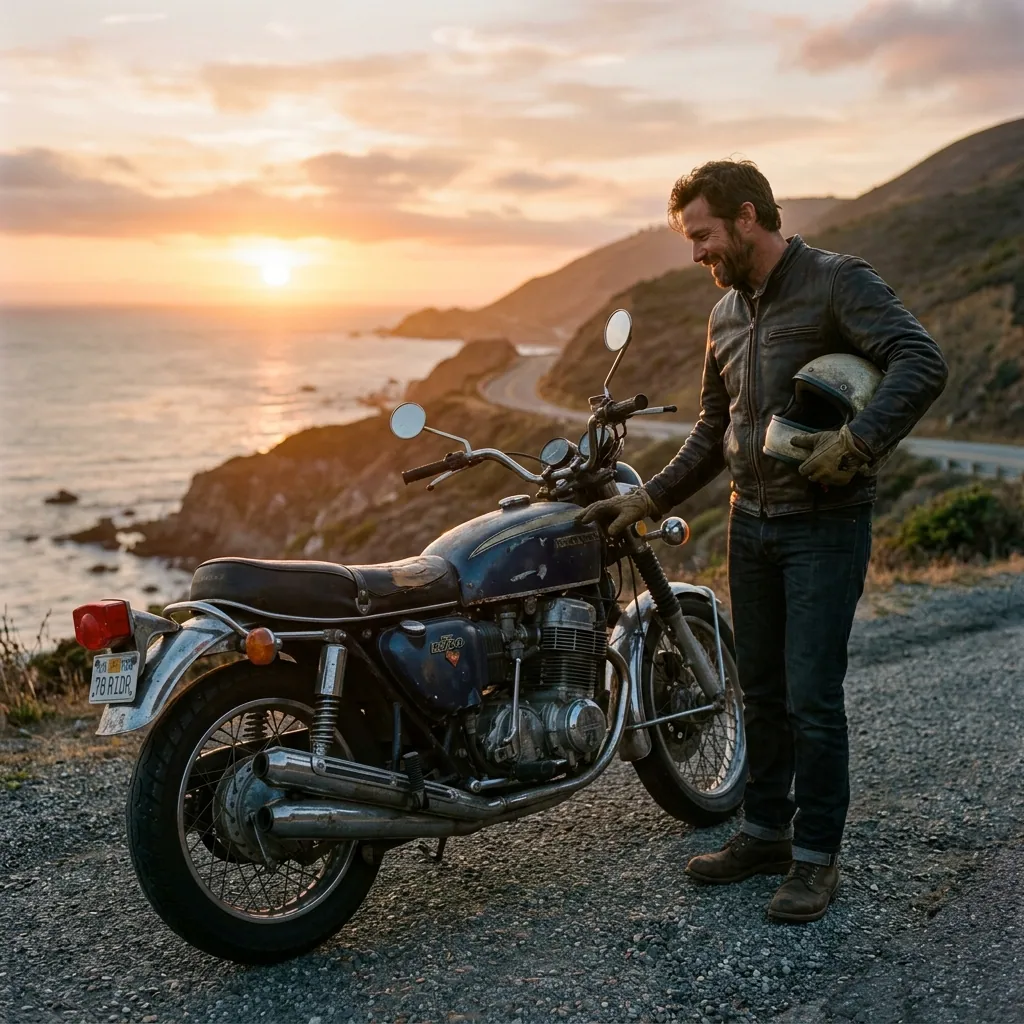
Por qué? Porque la conoces. Conoces su sonido, sus límites y su carácter. Un viaje largo no es el momento de pelearte con una máquina nueva, sino de fluir con una compañera de confianza. No esperes a la "moto perfecta" porque no existe. Sal hoy con lo que tengas.
Y si lo que te frena es el miedo a la ruta o la complejidad de la planificación, recuerda que yo ya he hecho el trabajo sucio por ti. Echa un vistazo a mis Guías de Viaje; yo pongo el mapa y la logística, tú solo tienes que arrancar tu moto.
Si todavía estás decidiendo hacia dónde apuntar la rueda delantera, viajar en moto por Argentina es uno de los puntos de partida más accesibles de Sudamérica — con 10 rutas ya mapeadas, de la Puna a la Patagonia.
FAQ — 5 DUDAS RESUELTAS
CADENA O CARDÁN PARA VIAJAR?
El cardán es comodidad pura y mantenimiento cero en ruta, pero si falla, tu viaje acaba. La cadena requiere mantenimiento diario, pero es reparable en cualquier taller del mundo con herramientas básicas.
RADIOS O ALEACIÓN?
Para asfalto, las llantas de aleación son más ligeras y precisas. Para off-road y aventura remota, las de radios son obligatorias porque absorben los impactos sin fracturarse.
AUTONOMÍA MÍNIMA?
Intenta que tu moto tenga al menos 300 km de autonomía real. Si hace menos, tendrás que considerar un depósito de mayor capacidad o llevar un bidón auxiliar de gasolina para zonas críticas.
ELECTRÓNICA SÍ O NO?
El ABS es innegociable por seguridad activa. El resto de ayudas (modos de motor, suspensiones electrónicas) son lujos que añaden complejidad. En viajes remotos, la simplicidad es fiabilidad.
IMPORTA LA CILINDRADA SI VOY SOLO?
No. Una moto de baja cilindrada te llevará exactamente al mismo sitio, solo que más despacio y con un ritmo diferente. La aventura no se mide en centímetros cúbicos.