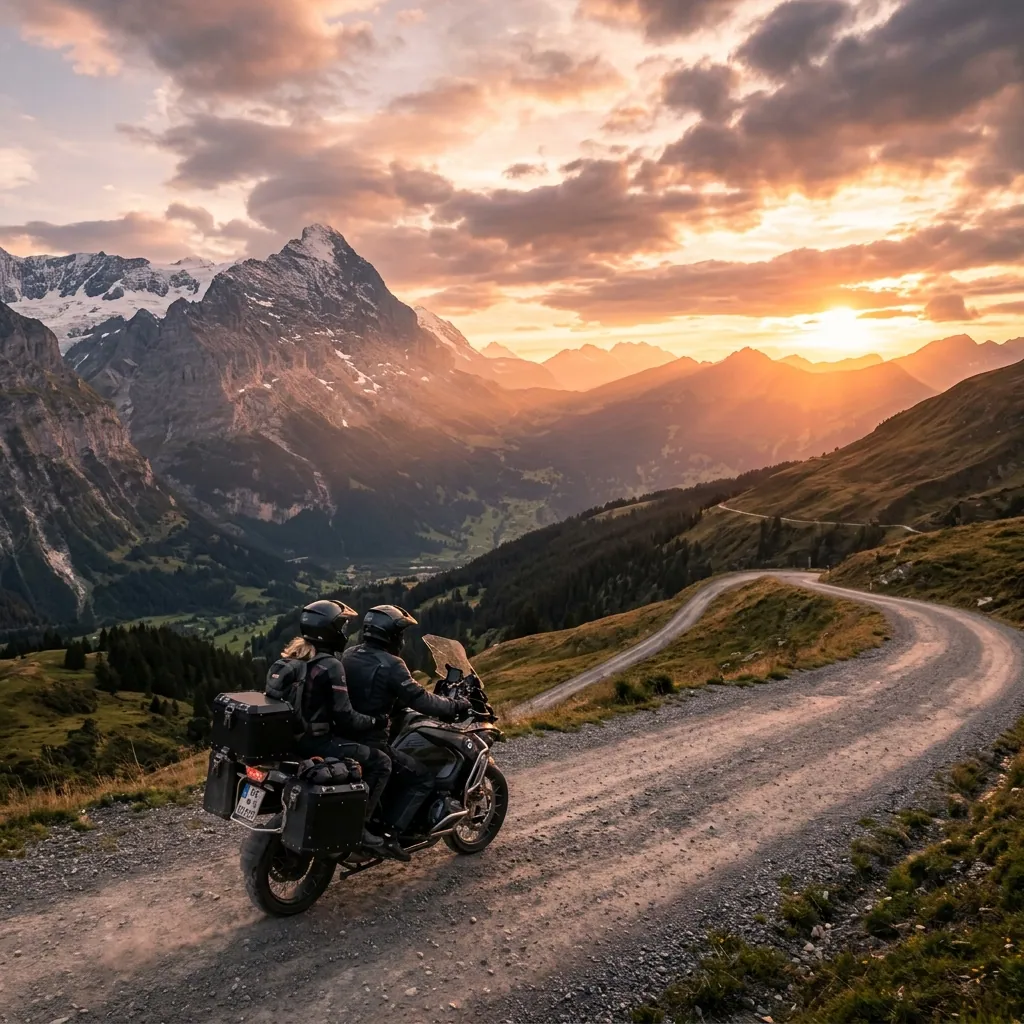
"VIAJAR EN MOTO SOLO ES UNA AVENTURA, PERO VIAJAR EN PAREJA ES UN ACTO DE FE Y TRABAJO EN EQUIPO. SI LOGRAN COORDINARSE SOBRE DOS RUEDAS, PODRÁN CON CUALQUIER COSA."
✅ RESPUESTA RÁPIDA
CUÁL ES EL SECRETO PARA VIAJAR EN PAREJA?
La comodidad física del copiloto es innegociable y la comunicación mediante intercomunicadores es obligatoria. Además, delegar la logística y la planificación evita discusiones, permitiendo que ambos se enfoquen en disfrutar del paisaje.
TABLA DE CONTENIDOS
1. LA COMODIDAD DEL PASAJERO: EL "PAQUETE" MANDA
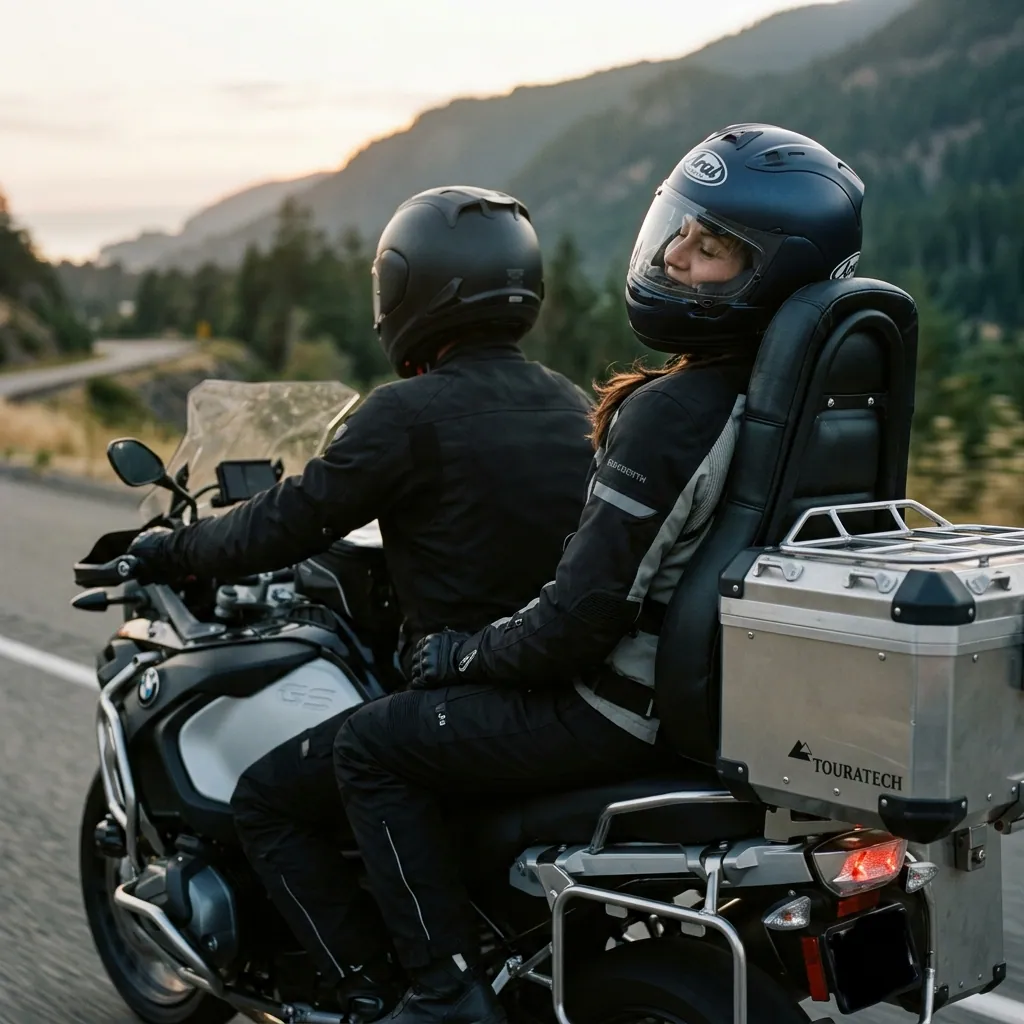
Si tú conduces, estás entretenido, pero el pasajero (cariñosamente llamado "paquete") pasa horas mirando el paisaje y absorbiendo baches. Si el copiloto no va cómodo, el viaje se acaba el segundo día.
EL ASIENTO Y LA ESPALDA
Considera invertir en un asiento de gel o viscoelástico y, sobre todo, asegúrate de tener un **top case con respaldo acolchado**. Para el pasajero, saber que tiene un límite físico detrás le permite relajar la tensión lumbar e ir descansado durante los trayectos largos.
ESTRIBOS Y SUSPENSIÓN
El peso extra cambia radicalmente el comportamiento de la moto. Ajusta la precarga de tu suspensión trasera para compensar los kilos extra del acompañante más equipaje. Si no lo haces, la luz del faro apuntará al cielo y la dirección se volverá imprecisa, generando inseguridad en ambos.
2. INTERCOMUNICADORES: LA CLAVE DE LA CONVIVENCIA
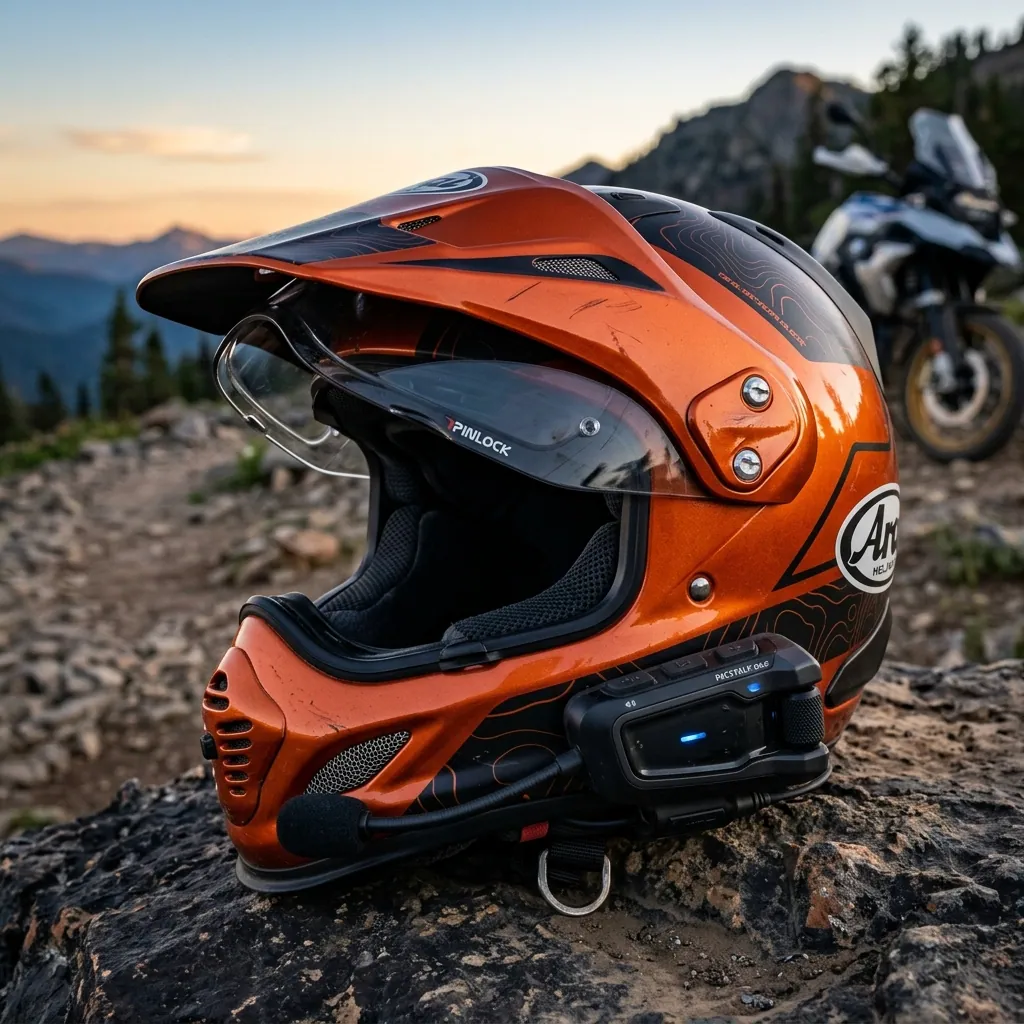
Los tiempos de gritar a través del casco a 100 km/h se acabaron. Los intercomunicadores Bluetooth hoy en día son tan indispensables como la gasolina.
CERO GRITOS, MÁS DISFRUTE
La ventaja real no es solo charlar. Es poder decir: "Cuidado con la grava en esta curva", o "Tengo las piernas dormidas, paremos en la próxima estación de servicio". Esta comunicación instantánea reduce la ansiedad del pasajero, que ya no es un ente pasivo, sino un participante activo del viaje.
MÚSICA Y SILENCIO COMPARTIDO
También permite poner música o, simplemente, ir en silencio sabiendo que estás conectado. Recomiendo sistemas Mesh que aguantan todo el día la batería sin cortes absurdos.
3. EQUIPAJE: LA VIDA DE DOS EN TRES MALETAS
El espacio de una moto es ínfimo para una persona, imagina para dos. Si vais a hacer un viaje de dos semanas, el minimalismo es la ley.
EL REPARTO DE VOLÚMENES
Asigna una maleta lateral por persona. La ropa de calle de cada uno va en su maleta correspondiente. El top case o baúl trasero (donde se apoya el pasajero) queda para objetos compartidos: botiquín, forros de lluvia de los trajes, cámaras y provisiones del día.
LAS 3 REGLAS DEL EQUIPAJE A DÚO
- 1.Prohibido cargar la espalda: El pasajero no debe llevar mochila. Es peligroso en caso de caída y agota los hombros.
- 2.El peso abajo: Las herramientas y repuestos pesados van en el fondo de las maletas laterales, no en el top case.
- 3.Equidad de volumen: Cada quien tiene su maleta lateral de X litros. Si no entra, no viaja. Sin excepciones.
ROPA TÉCNICA COMO SALVACIÓN
Olvídate del algodón. Llevad prendas térmicas y ropa interior de lana merino o material sintético que se pueda lavar en el lavabo de un hotel y seque durante la noche. Tres mudas por persona son más que suficientes para llegar hasta el fin del mundo.
4. MIEDOS Y DINÁMICA SOBRE LA MOTO
Es normal que tu pareja tenga miedo si no tiene experiencia. Como piloto, tu misión es transmitir total y absoluta confianza.
EL ARTE DE INCLINAR JUNTOS
El peor enemigo de las curvas en pareja es el "efecto contrapeso". El pasajero por instinto tiende a mantenerse recto cuando la moto inclina. Enséñale la regla de oro: "Mira siempre por encima del hombro del lado hacia el que giramos". Esto alinea sus hombros con los tuyos y hace que sus pesos trabajen en equipo.
SUBIRSE Y BAJARSE: PROTOCOLO ESTRICTO
No hay lugar para la improvisación. La mayoría de las caídas en parado viajando en pareja suceden al momento de montar. Establece este sistema innegociable:
ANCLAJE
El piloto sube primero, levanta la pata de cabra y clava ambos pies y el freno delantero.
LA SEÑAL
El piloto debe decir "Sube!" de manera afirmativa. El pasajero no hace el amago antes de escuchar esto.
EL MONTAJE
El pasajero pisa el estribo izquierdo, apoya manos en los hombros del piloto y pasa la pierna derecha suavemente.
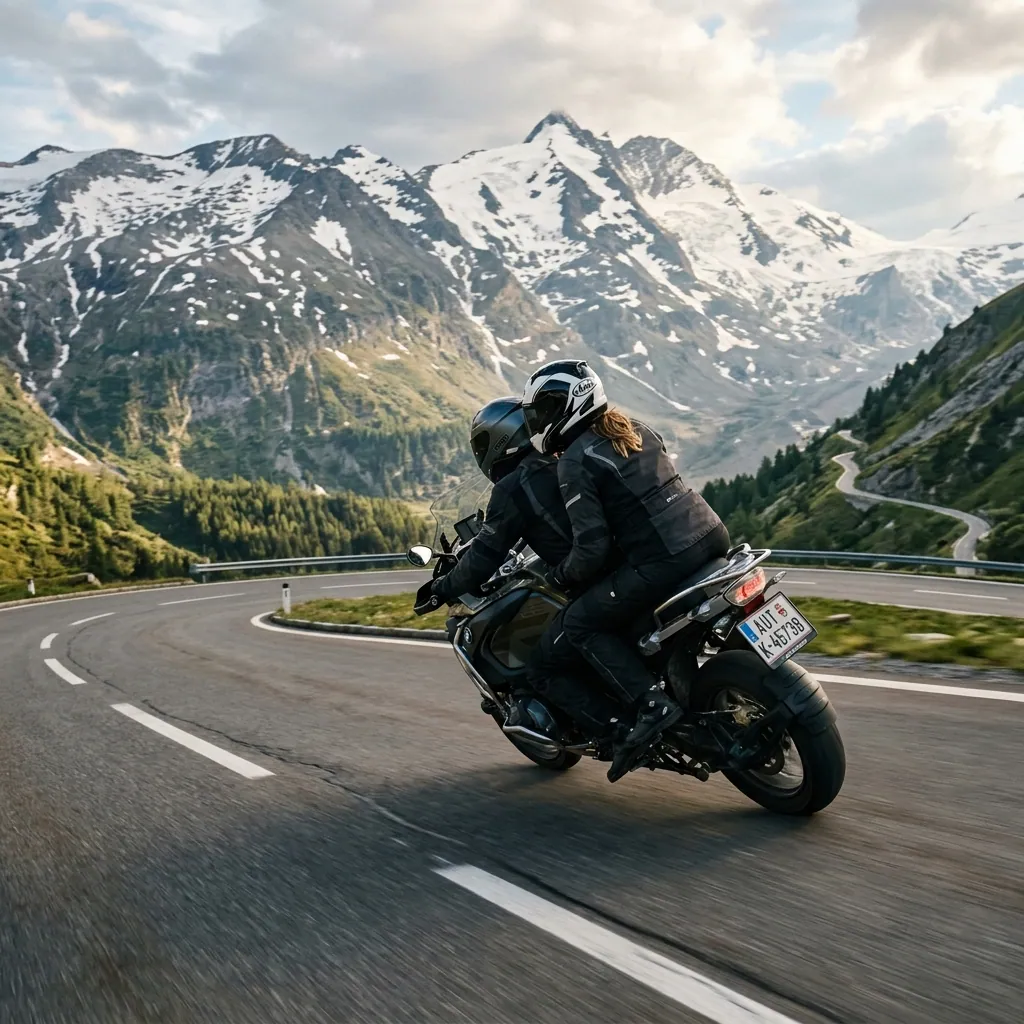
"NO SE TRATA DE QUIÉN CONDUCE, SE TRATA DE CÓMO FLUYEN JUNTOS EN CADA CURVA."
5. LOGÍSTICA: CERO ESTRÉS CON GUÍAS DE RUTA
Uno de los mayores focos de conflicto en un viaje en pareja es la toma de decisiones: "Dónde dormimos?", "Estamos perdidos?", "Por qué hemos venido por esta carretera de cabras?".
Cuando viajas solo puedes improvisar, pero en pareja, la incertidumbre genera ansiedad.
Para eliminar estos roces, lo más inteligente es llevar la ruta profesionalmente organizada. Con nuestras Guías de Viaje en Moto, toda esa fricción desaparece. No hay que pensar dónde parar a comer ni investigar qué asfalto está en mejor estado; ya lo hemos mapeado todo por ti.
RUTAS PERFECTAS PARA HACER A DÚO
No todas las rutas son ideales para ir con pasajero. La Costa Amalfitana ofrece romanticismo y distancias cortas, mientras que Cabo Norte es el desafío épico definitivo para parejas aventureras. Despreocúpate de la planificación y enfoca tu energía en construir el recuerdo de tu vida.
VER TODAS LAS GUÍAS →FAQ — 5 PREGUNTAS SOBRE VIAJAR EN PAREJA
ES MÁS DIFÍCIL CONDUCIR CON PASAJERO?
Requiere más anticipación. Las frenadas deben ser más largas y suaves, y a baja velocidad la moto pesa mucho más. Necesitas usar más el freno trasero para estabilizar.
CUÁNTOS KILÓMETROS DIARIOS SON ACONSEJABLES A DÚO?
Recomendamos no superar los 350-400 km al día si es todo por secundarias. El objetivo es disfrutar juntos, no batir récords de resistencia física.
MI PAREJA TAMBIÉN NECESITA EQUIPACIÓN TÉCNICA COMPLETA?
Absolutamente sí. Casco integral de calidad, chaqueta con protecciones, guantes, pantalones y botas. El asfalto no discrimina entre piloto y pasajero en caso de caída.
CÓMO EVITO QUE NOS CHOQUEMOS LOS CASCOS AL FRENAR?
El piloto debe ser muy progresivo con el tacto del freno delantero. El pasajero debe prever la frenada apretando ligeramente las piernas contra las caderas del piloto o agarrándose a las asas del colín en lugar de apoyarse suelto.
QUÉ TIPO DE MOTO ES MEJOR PARA VIAJAR A DÚO?
Las motos Touring o Maxi-Trail. Tienen suspensiones largas, asientos amplios y motores con suficiente par (torque) para mover el peso extra sin ahogarse en las subidas de los puertos de montaña.