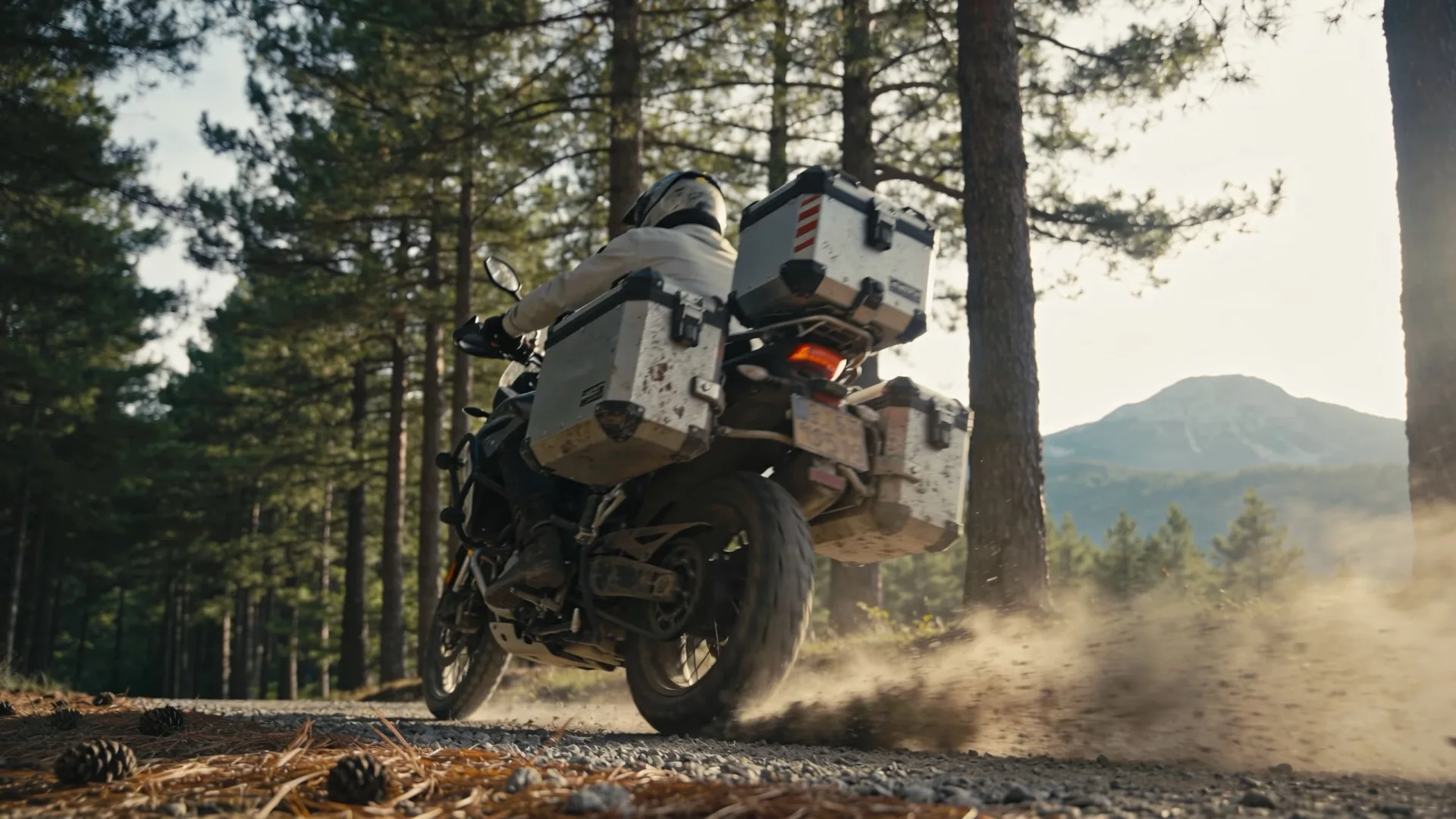
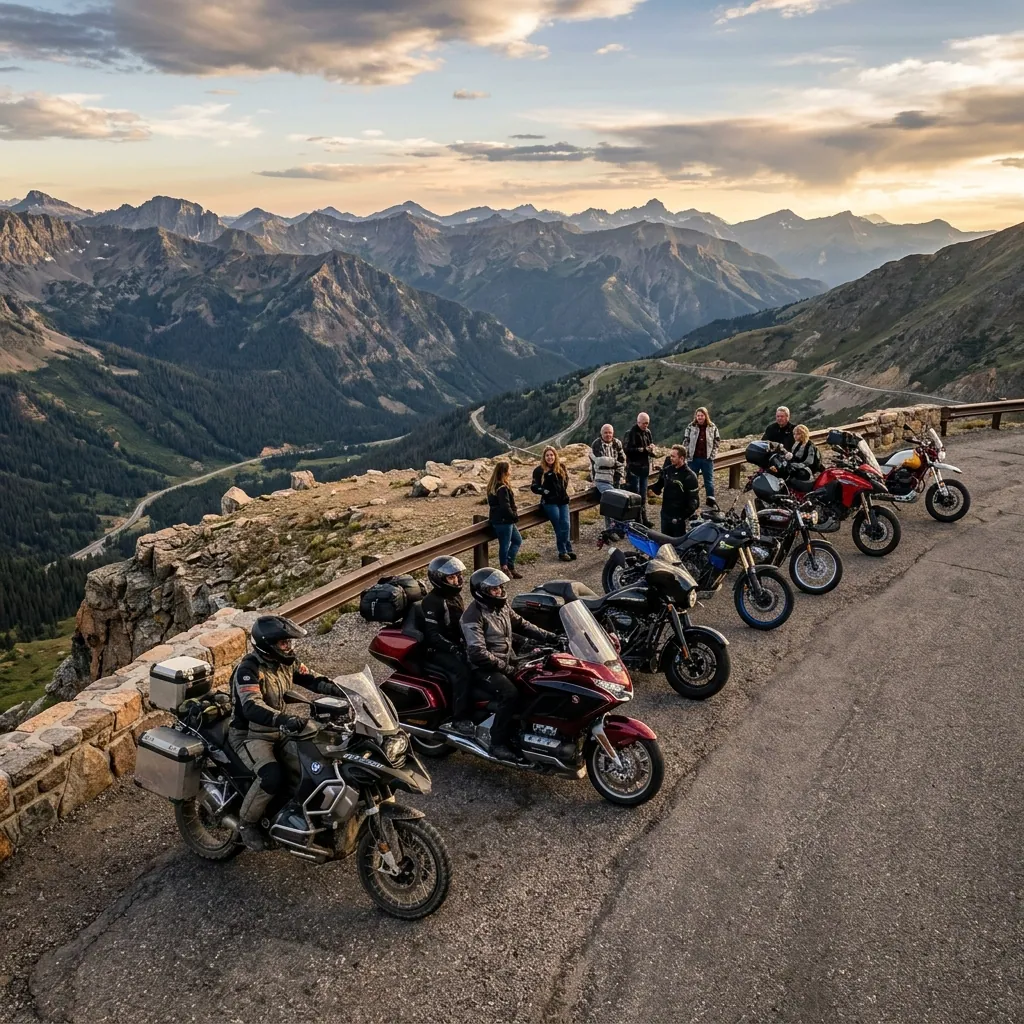
"Nobody 'finds' money falling from the sky to fund a world trip; money is squeezed from stone, cut from old priorities, and stretched to unbelievable limits."
✅ QUICK ANSWER
How do you fund a long motorcycle trip without being rich?
Change your mindset: it is easier to spend $10 less than to earn $10 more. Eliminate consumption anchors (sell almost everything, cancel subscriptions). On the road, generate income through seasonal work, roadside mechanical assistance, digital nomad work, or by aggressively cutting costs with wild camping.
TABLE OF CONTENTS
"Hey, how do you even do this? Either you come from money, or you robbed a bank."
That is the eternal question — often loaded with prejudice — that every one of us who has made the world our road gets asked. They assume you need to be a millionaire to go around the world.
The reality behind long-distance moto-travelers is raw, painfully unglamorous, and deeply admirable: it is the systematic application of financial war discipline.
There is no "easy money," and your favorite influencer who magically landed sponsorships in their first two countries was probably already wealthy to begin with. What exists is people willing to liquidate everything, stop going to bars for 3 years, get their hands dirty doing work for others, or live as a social ascetic — all to afford the absolute luxury of crossing continents with total freedom of movement.
Nobody "finds" money falling from the sky to fund a world trip; money is squeezed from stone, cut from old priorities, and stretched to unbelievable limits.
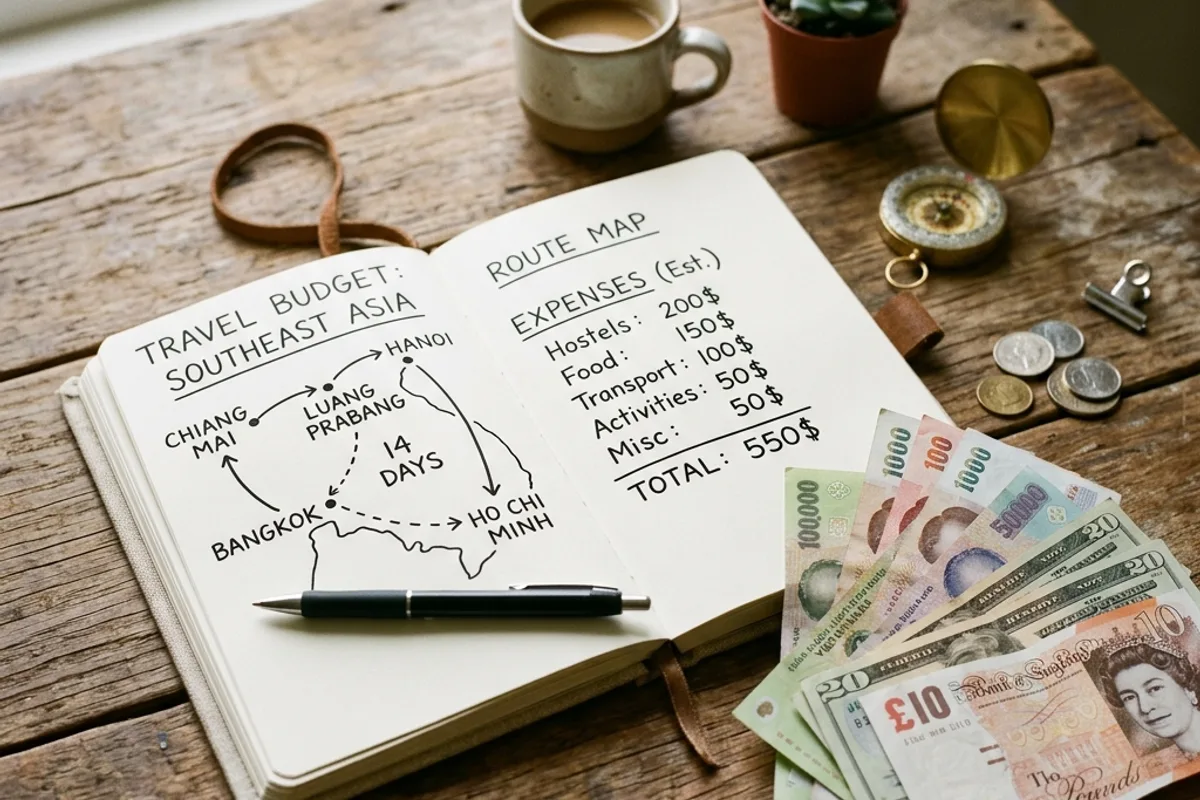
1. Pre-Trip Strategies: Bleeding Out Consumerism
Your trip does not start the day you fire up the engine, nor the day you cross a border; it starts the day your brain accepts that your current lifestyle is what is imprisoning you to your geography.
Ascetic Mode and Massive Asset Liquidation
The hard cash you need to start (the "initial cushion") will not come entirely from saving whatever is "left over at the end of the month." Thousands of euros are probably trapped right in front of you, covered in cloth or plastic:
- ▶Extreme Property Purge: If something physical (or its sentimental value) does not fit obligatorily into your two aluminum panniers or top-case, it simply does not travel in your life. Sell the second (or only) car, say goodbye to the gaming console, auction off furniture and guitars. Online marketplaces are today's first cash register of adventure.
- ▶Subscription Guillotine: Systematic saving means amputating silent liabilities. Cancel that second insurance policy, the ad-free music service, and the Sunday delivery subscription; make your base daily cost zero.
That extreme liquidation exercises the double power of the ideal trip: first, it injects the cash liquidity that directly pays for your fuel in the first six months; and more powerfully, it dismantles your attachment, your "base cost," setting you free and putting you physically and mentally on the operational route far ahead of schedule.
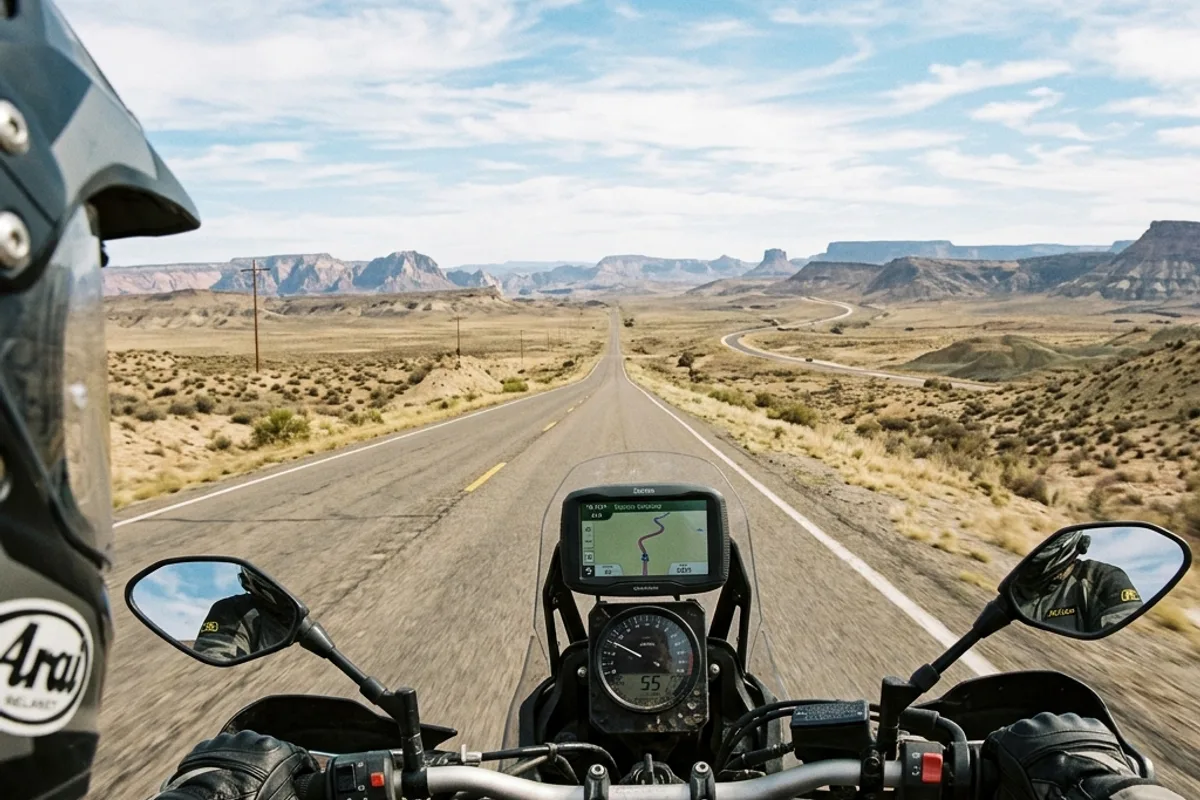
2. Generating Income on the Road (Physical Work)
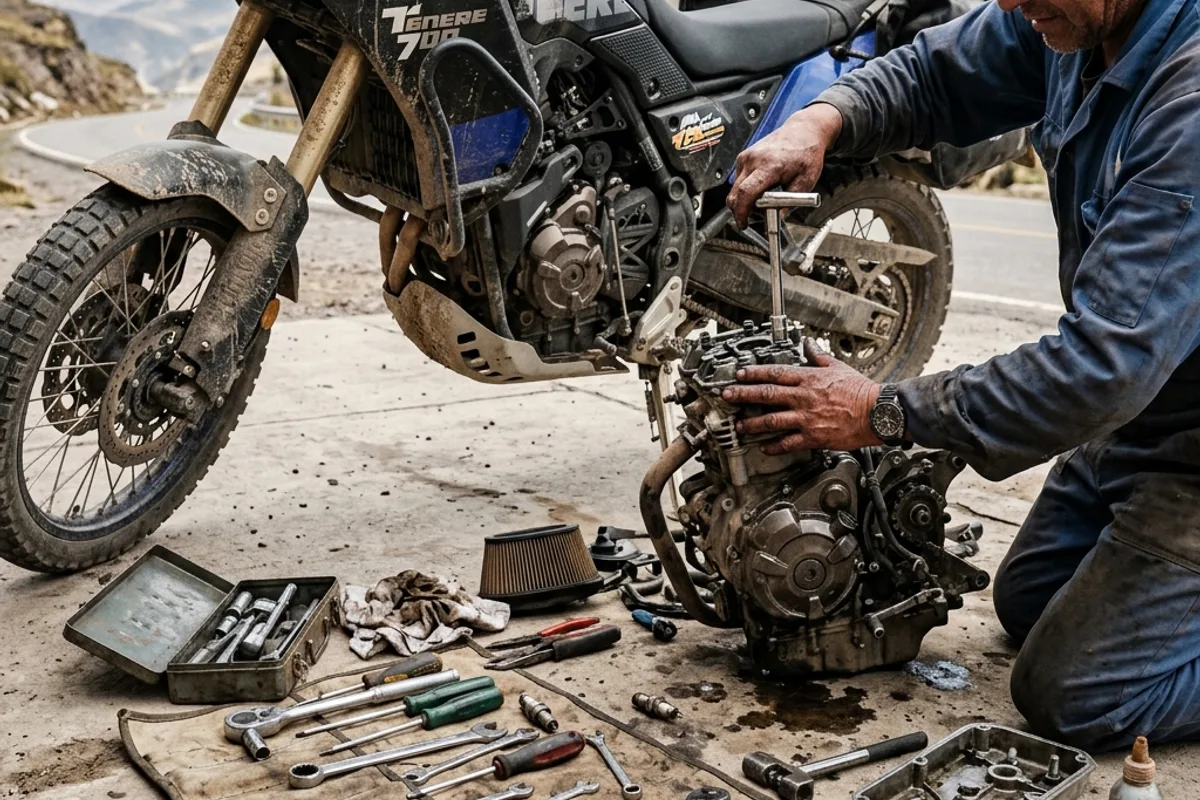
Once you are on the intercontinental route, if you cannot operate remotely (by computer), you will have to get your hands dirty.
Opportunities in the Informal Economy and Barter
| Action Model | Effort | Economic Results |
|---|---|---|
| Exchange/Workaway | Medium (4–5 hrs/day) | Completely stops your account from going negative for accommodation, but adds no cash. |
| Harvesting and Seasonal Picking | Extreme (10-hr campaigns) | Exceptional. Legal seasonal harvesting (grapes, etc.) or B2B loads enough financial muscle to last years. |
| On-Site Micro-Mechanics | Moderate (requires skill) | Fast and liquid. Cleaning injectors, patching tires, or helping stranded tourists pays surprisingly well. |
| Street Economy (Bracelets, Postcards) | Hard (legal bureaucracy) | Inconsistent. Demands outstanding people skills and tolerance for potential hostile pushback from local authorities. |
🚩 The Traveler Arbitrage Rule: The economics of earning on the road follow global macroeconomics. It is lethal and pointless to look for manual work to replenish your reserves by sweating as a laborer in a poor country like Bolivia or Peru — your wages will be local, and miserable. Plan and target your major temporary cash injection by intentionally stopping in Australia, the United States, or Continental Europe, to drain those high wages and spend them like a magnate later while crossing the developing world.
3. The Digital Nomad on a Motorcycle (The Wi-Fi Factory)
For years we have all been seduced by the glossy lies of digital culture: a handsome biker writing an Excel report with views of the Balinese mountains at dawn. One click, collects dollars, drops into first gear, and disappears.
The dark side of this is that combining a super-heavy motorcycle, constant cold, hunting for strong broadband signal, and keeping dry batteries stable will become the most exhausting corporate job you have ever suffered on the road.
Your Three Core Lines of Action
- ▶Independent Remote Services: As a programmer or accounting professional you have real weapons. Running contracts under async schedules and operating with strong international payments means two hours of billing can cover the $12 it costs to sleep in an Andean hostel. It does require, however, that you anchor part of your route (helmet closed) Monday through Thursday.
- ▶Freelance Writer (Selling Road Stories): There are forums and mechanical industry publications willing to pay for reviews ($20–$100) if your writing and photography exceed the average competitor. A well-documented route review will pay for the raw liters burning in your exhaust.
- ▶Creator Monetization (Patreon): Here you are a slave to manufacturing dopamine for your audience. It is unviable as a "quick fix" to save yourself unless you built it at least a year beforehand. But having loyal patrons supporting you and covering even just $150 net per month enormously solidifies your toughest border crossings.
4. War Economy: Less Is More
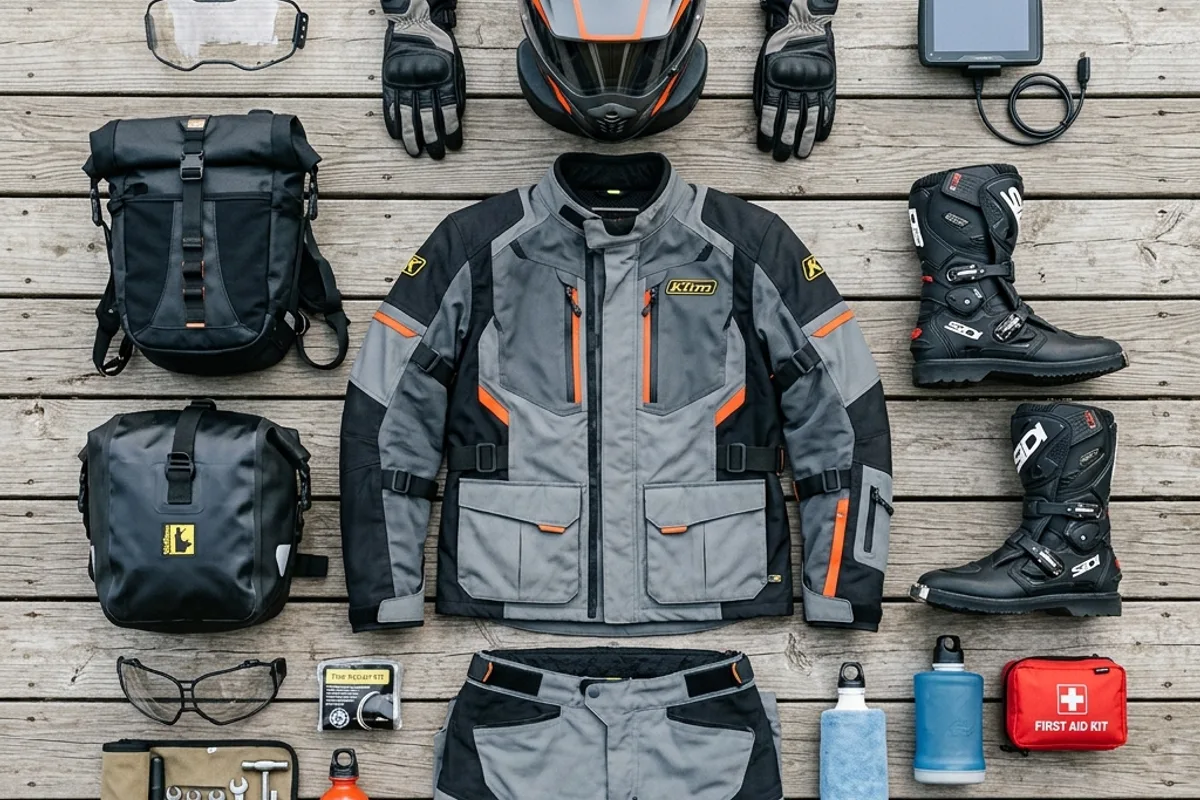
The final stroke of genius to keep traveling indefinitely is to kill your billing anxiety by immediately plugging every leak where you bleed money.
Obsessing over earning an extra $10 is draining, frustrating, and costs you real computer time; using your intelligence to passively stop a $10 cost is a permanent automatic shield. This is what I define as the foundation of smart moto-travel economics.
The Three Pillars of Maximum Retention
- Slow Cruising Speed: Riding your heavy enduro at 120 km/h burns air but destroys all drivetrain components 20% faster than cruising at a steady 80 km/h. Slow riding dramatically cuts lethal mechanical costs, and above all stops you from blasting past amazing villages selling fruit for pennies.
- Eliminate Walls and Commercial Beds: Paying for a roof is your kryptonite. Learning to sleep with complete peace under wild camping tarps permanently destroys between 40 and 55% of the total budget expenditure of any nomad on global routes.
- Own Logistical Diet: Stomach autonomy saves broken budgets. Avoiding service markups keeps you pure. Apply this and discover the real formulas for eating nutritiously on just $2 next to your rear tire — click here.
I strongly recommend tying the macro ideas laid out here together. This guide is structurally linked to the real understanding of how to organize your core pillar with the Master Guide to Realistic Budgets.
5. Personal Experience: How I Did It
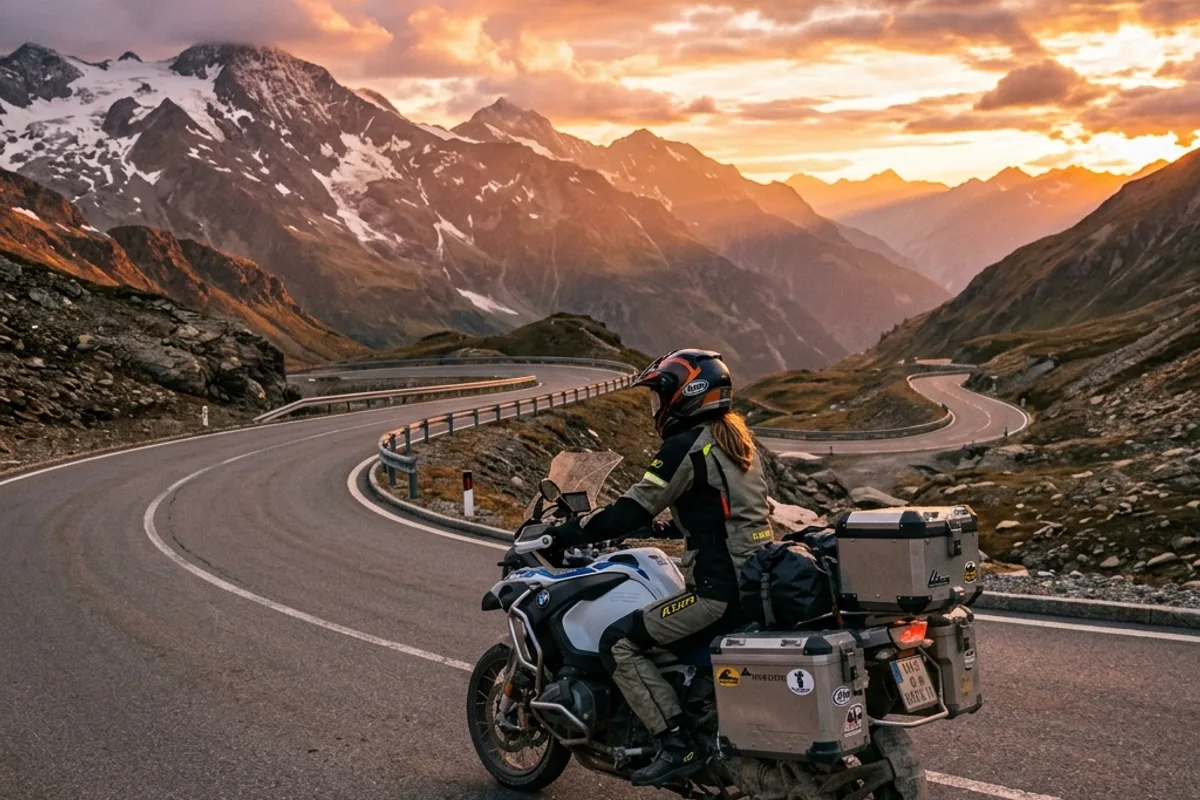
I will not lie to you: mine was not a divine revelation or luck. In 2017 I sold the little I had, quit my job, and was left with a remainder of €4,500. By the time I finished kitting out the bike, paid the paperwork and the ship to Argentina, my bank account was terrifying to look at.
Almost as soon as I landed in South America, the plans burned down. I spent more than expected on customs and logistics. That is when I had to step off my pedestal and find alternatives: I did Workaway, cleaned hostels in exchange for a bed, and learned that if I wanted to stay on the road, I had to become a budget ascetic.
Today my reality is different. I generate income from my digital work, my content, and my book — but the foundation is still the same: I do not spend on what I do not need. The freedom of being on the road is paid for with the discipline of not living like a tourist.
If you want to go deeper on how I went from being terrified of ending up with nothing to living on the road, I recommend reading "The Adventure of Living Free". There I lay out the real numbers with no filter.
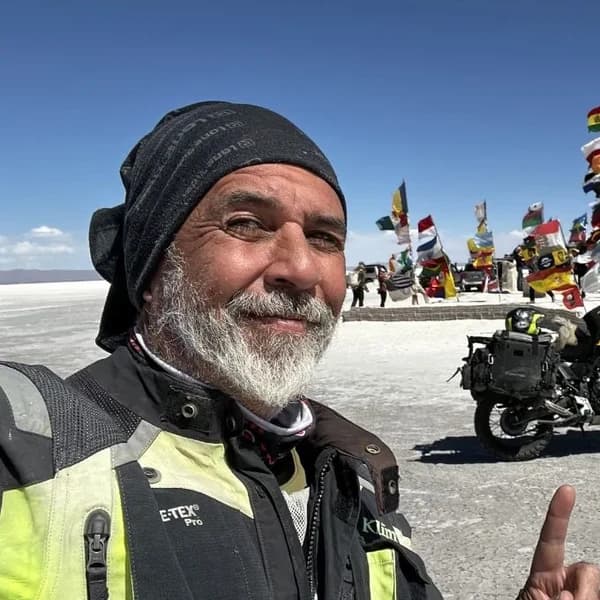
Gustavo Correa
Moto traveler, author and motorcycle travel consultant. 110,000+ km across 4 continents with Gloria, my motorcycle. Everything you read here has been tested on the road, not in an office.
Read my story →FAQ — FREQUENTLY ASKED QUESTIONS
How much money should I have saved before leaving on a motorcycle trip?
The ideal minimum cushion covers 6 months of your estimated budget (around $3,000 USD at the most spartan level), plus an untouchable emergency fund (minimum $2,000 USD) for medical incidents or critical bike damage. Everything else you either spend carefully or earn on the road.
Is it realistic to get sponsorships from motorcycle brands?
No. Brands pay for proven reach, not beginner dreams. You might score a free set of tires if you have a decent audience, but cash sponsorships are extremely rare. Focus on aggressive initial savings and working en route.
Can you work legally while crossing borders?
Generally not, since you will be traveling on a tourist visa. The key is informal seasonal work (agricultural harvests), exchange programs like Workaway (where you receive food and lodging in exchange for hours), or continuing to offer digital services (B2B or freelance) invoiced from your home country.
Is it worth starting a YouTube channel to fund the trip?
Only if you are genuinely passionate about filming and editing, or want the camera to become your new boss. Scaling YouTube or other platforms takes months, and many quit from frustration (the 'valley of death'). It is a deeply rewarding path long-term, but do not expect it to pay for fuel anytime soon.
What happens if I run out of money mid-route?
You pause. You set up base in the nearest affordable city (Latin America or Asia), find hostel volunteer accommodation to cut your burn rate to zero, and land the first digital or physical job you can until you rebuild enough savings to fund the next leg.