VIAJAR EN MOTO POR Reino Unido
RESPUESTA RÁPIDA
Reino Unido es el viaje en moto donde conducir por la izquierda deja de ser un detalle y se convierte en la aventura en sí: carreteras de montaña como el Bealach na Bà en las Highlands escocesas, la campiña de Gales y los páramos del Distrito de los Lagos, todo conectado por una red de servicios impecable. La entrada es sencilla si llegas en ferry o Eurotúnel desde Europa: pasaporte vigente, la ETA (Autorización Electrónica de Viaje, obligatoria desde febrero de 2026) y el seguro de tu moto — que no necesita Green Card para circular en Reino Unido gracias al acuerdo de libre circulación de seguros con la Unión Europea.
LO QUE NECESITAS SABER
El país al que piensas entrar tiene particularidades que tienes que conocer.
Antes de cruzar la frontera hay cuatro cosas que tienes que tener resueltas: qué tan seguro es el país, qué seguro es obligatorio para tu moto, dónde vas a encontrar combustible y cuándo conviene ir. Ninguna es opcional.
SEGURIDAD: RIESGO BAJO (2/5)
Es seguro Reino Unido para entrar en moto? Sí — es uno de los países más tranquilos de Europa para viajar en moto, con el robo de motos estacionadas en Londres como único punto real de atención.
ZONAS A EVITAR
- Southwark, Croydon y Tower Hamlets (Londres): Los tres barrios con más robos de motos de la ciudad — solo Southwark superó las 364 motos robadas en un año (6.4% de todos los robos registrados), según datos de Datatool. La modalidad más común: bandas que suben la moto a una furgoneta en segundos, incluso en la vía pública de día.
- Lambeth y Wandsworth (Londres): Completan el resto del top 5 de robos de la ciudad. Evita dejar la moto en la calle sin candado de disco o cadena, sin importar el barrio.
DÓNDE DEJAR LA MOTO
- Parking: En la calle: evita dejarla toda la noche en las zonas de alto robo del sur/este de Londres. Fuera de las grandes ciudades, aparcar en la calle es normal y seguro.
- Alarma: Recomendable: sí, sobre todo si vas a pasar noches en Londres. Poco necesaria en zonas rurales de Escocia o Gales.
- Equipaje: Saca las alforjas o bolsas que puedas cargar al estacionar en ciudad. La Policía Metropolitana recomienda un candado de disco en el freno delantero más una cadena a un punto fijo.
- Visión: Prioriza parkings vigilados o con cámaras en Londres; en el resto del país, cualquier calle con movimiento de gente es suficiente.
CONSEJOS
- ➜En Londres, usa siempre candado de disco en el freno delantero más una cadena a un punto fijo — según la Policía Metropolitana es la combinación que más disuade a las bandas organizadas.
- ➜Fuera de las ciudades, el mayor riesgo no es el robo sino el clima: niebla y lluvia repentina en zonas altas de Escocia y Gales pueden cortar la visibilidad en minutos.
Fuera de esos barrios puntuales de Londres, Reino Unido es de los países más tranquilos de Europa para moverte en moto.
SEGURO OBLIGATORIO: Seguro de responsabilidad civil (Road Traffic Act)
No existe un seguro puente obligatorio como en Sudamérica. Reino Unido participa en el acuerdo de libre circulación de seguros (Green Card Free Circulation Area) junto con la Unión Europea, así que si tu moto está matriculada y asegurada en la UE o el EEE no necesitas Green Card para circular. Lo que sí conviene confirmar con tu aseguradora antes de salir es que la cobertura de circulación en el extranjero incluye explícitamente Reino Unido y por cuántos días, porque tras el Brexit no todas las pólizas lo dan por sentado.
COMBUSTIBLE: ESCASO EN LAS HIGHLANDS
Excelente disponibilidad en Inglaterra, Gales y el sur de Escocia. En las Highlands y la costa noroeste (por ejemplo el tramo entre Thurso y Durness, en la ruta NC500) hay estaciones cada 50-80 kilómetros y algunas cierran temprano o los domingos — sal con el tanque lleno y no dejes pasar una estación abierta.
MEJOR ÉPOCA: MAY - SEP
Mayo a septiembre concentra los días más largos y el clima más estable, con abril y octubre como alternativa válida para esquivar el tráfico turístico del verano en carreteras de un solo carril como las de la costa oeste de Escocia. El invierno es recorrible en el sur de Inglaterra, pero los puertos de montaña de las Highlands (como el Bealach na Bà) suelen quedar cerrados o intransitables por nieve.
ENTRAR A REINO UNIDO EN MOTO
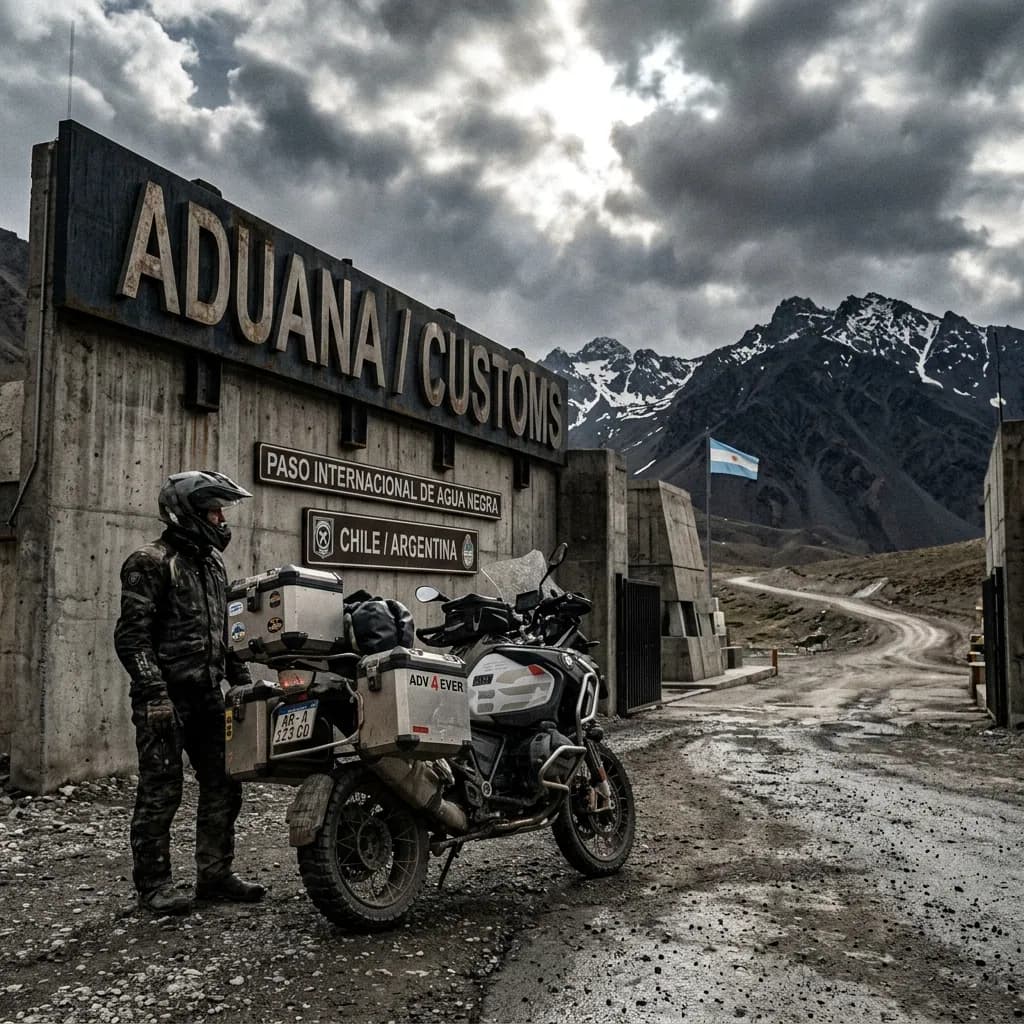
Entrar a Reino Unido con la moto desde el continente europeo —por ferry (Santander-Portsmouth, Bilbao-Portsmouth, Calais-Dover) o por el Eurotúnel LeShuttle— es, según relatos de motoviajeros en Horizons Unlimited y guías como Mad or Nomad, uno de los trámites más simples de Europa, con una salvedad: Reino Unido no forma parte del espacio Schengen, así que hay un control de pasaporte real, no solo una formalidad.
El trámite tiene dos partes:
Control fronterizo (Border Force): Revisa pasaporte y ETA al entrar. Si vienes de la Unión Europea, este es el único control real del trayecto.
Aduana (C110, opcional): Formulario de importación temporal para la moto, gratuito, tramitable online antes de viajar. En la práctica casi nunca se pide si llegas acompañando tu propia moto.
El formulario C110 de importación temporal es gratuito — HM Revenue & Customs no cobra nada por una moto que entra acompañada de su dueño.
Punto de fricción real:no es el control fronterizo en sí, sino dos trámites que mucha gente deja para último momento. El primero es la ETA: desde el 25 de febrero de 2026 Reino Unido la exige de forma estricta a la mayoría de nacionalidades no exentas (incluida toda la Unión Europea), y las navieras o Eurotúnel pueden negarte el embarque si no la tienes.
El segundo es el seguro: como Reino Unido ya no es miembro de la UE, conviene llamar a tu aseguradora y confirmar por escrito que la cobertura de "circulación en Europa" incluye explícitamente Reino Unido y por cuántos días — la mayoría de pólizas solo dan responsabilidad civil (no cobertura completa) fuera de tu país de matrícula.
DOCUMENTACIÓN NECESARIA
Pasaporte o DNI: Vigente durante toda la estadía. Reino Unido no es parte de Schengen, así que se sella al entrar y al salir.
ETA (Autorización Electrónica de Viaje): Trámite online obligatorio desde febrero de 2026 para casi todas las nacionalidades que no necesitan visa. Cuesta 20 libras, se pide en gov.uk con días de antelación, dura 2 años y permite estadías de hasta 6 meses por viaje.
Carnet de conducir: El de tu país alcanza durante los primeros 12 meses. Si no está en alfabeto latino, conviene sacar el Permiso Internacional de Conducir.
Documentación de la moto: La ficha técnica o matrícula de tu país (equivalente al V5C británico). Si no eres el titular, conviene llevar autorización del dueño.
Certificado de seguro: La póliza de tu país, con la cobertura para Reino Unido confirmada explícitamente por tu aseguradora antes de viajar.
Formulario C110 (opcional): Formulario de importación temporal, gratuito. Recomendable completarlo online antes de viajar, aunque casi nunca se pide si llegas acompañando tu propia moto con los papeles en regla.
Con estos documentos resueltos, entrar a Reino Unido con la moto por ferry o Eurotúnel es un trámite de rutina. El consejo que más se repite entre motoviajeros: gestiona la ETA con margen (no es instantánea) y confirma la cobertura de tu seguro por escrito antes de subir a la naviera, porque ahí es donde de verdad se traban los viajes.
PRESUPUESTO DIARIO
Este rango de precios combina alojamientos económicos, cocina propia y mantenimiento básico de la moto — los tres rubros que más pesan en el presupuesto diario de cualquier motoviajero.
El verdadero presupuesto diario lo armas tú, de acuerdo a tus necesidades y tus límites, pero si quieres tener una idea de cómo armar el tuyo, elige tu categoría para ver la guía completa:
Desglose completo por rubro en la guía de presupuesto
LAS 10 MEJORES RUTAS EN MOTO POR REINO UNIDO
Este ranking está ordenado por fama y popularidad real, de mayor a menor: arriba están las rutas que cualquier motoviajero internacional encuentra primero al buscar "motorcycle route United Kingdom" -las que más aparecen en foros como Horizons Unlimited y ADVrider, en blogs de viaje y en encuestas de las propias revistas moteras británicas-, y más abajo las que siguen siendo genuinamente reconocidas, pero con un público más local.
Hay una diferencia clave frente a las rutas sudamericanas de este sitio: en Reino Unido no vas a encontrar pistas de ripio de cientos de kilómetros por el desierto. Son carreteras asfaltadas, cortas -entre 8 y 50 km la mayoría-, técnicas y encajonadas en parques nacionales, pensadas para recorrerse en una tarde y no en una semana. La dificultad no está en la distancia ni en el terreno, está en las curvas ciegas, las pendientes de hasta 33% y el clima, que en las Highlands puede cambiar en minutos.
Con carreteras de un solo carril y pasos como el Bealach na Bà, conviene planear cada etapa con calma. Repasalas mejores apps para planear rutas en motoantes de salir, sobre todo si vas a cruzar varios de estos pasos en un mismo día.
Antes de subir pasos con pendientes de hasta el 33%, como Hardknott, no está de más repasarcómo revisar y mantener la moto para viajes largos, sobre todo frenos y embrague.
El clima de las Highlands cambia de sol a lluvia en minutos, así que conviene revisarqué equipamiento llevar en viajes largos en motoantes de salir, sobre todo capas impermeables.
North Coast 500:el circuito que puso a Escocia en el mapa
Tierras Altas de Escocia (Highlands)Recorrer el North Coast 500 en moto significa trazar en 830 km el litoral norte de Escocia completo, desde el castillo de Inverness hacia el oeste, bordeando fiordos, hasta cerrar el círculo por la costa este.
La ruta nació en 2015 como una iniciativa de turismo de las Highlands, y su impacto fue inmediato: solo en el primer año sumó 29.000 visitantes y 9 millones de libras de gasto turístico; para 2025 el circuito completo ya generaba unos 100 millones de libras y sostenía más de 1.300 empleos en la región.
Cruza pueblos pesqueros como Ullapool y Durness, el puente de Kylesku y el mismísimo Bealach na Bà, y termina (o empieza) en John o' Groats, el punto habitado más al norte de Gran Bretaña. Para cualquier motoviajero que busque "motorcycle route United Kingdom", el NC500 es sin discusión el primer resultado.
ADVERTENCIAS DE ESTA RUTA
Esto es lo que necesitas tener en cuenta antes de meterte en esta ruta.
- 01Autonomía de combustible
Delicada en el tramo noroeste (Applecross-Durness). Entre estaciones puede haber más de 80 km sin servicio; carga siempre que se vea un surtidor.
- 02Más tráfico, más accidentes
Desde que el NC500 se promocionó como ruta turística, los accidentes reportados subieron 45% en su primer año completo de operación frente al año anterior, sobre todo por el aumento de tráfico y conductores inexpertos en carreteras de un solo carril.
El Bealach na Bà:el paso de Applecross
Applecross, Wester Ross, HighlandsSubir el Bealach na Bà en moto es enfrentar el mayor desnivel de cualquier carretera del Reino Unido: sube desde el nivel del mar en Applecross hasta 626 metros en apenas 6 km de ascenso, con pendientes que rozan el 20%, trazadas casi como un puerto alpino.
El nombre en gaélico escocés significa "paso del ganado": durante siglos fue el camino que los pastores usaban para arrear vacas hacia los mercados de Muir of Ord y hasta Londres. La carretera actual se terminó en 1822, después de cuatro años de obra financiados en un 75% con fondos del gobierno.
En 2025, el diario británico The Telegraph la describió como "un fenómeno automovilístico mundial", y hoy es, junto al NC500 del que forma parte, el tramo que más motoviajeros internacionales buscan específicamente al planear un viaje en moto por Escocia.
ADVERTENCIAS DE ESTA RUTA
Esto es lo que necesitas tener en cuenta antes de meterte en esta ruta.
- 01Autonomía de combustible
La única estación está en Applecross; llega con el tanque cargado desde Lochcarron o Shieldaig.
- 02No apta para caravanas ni vehículos largos
Los propios carteles al pie del paso advierten que no es apta para caravanas, remolques ni conductores principiantes: las curvas en horquilla son tan cerradas que los vehículos largos quedan literalmente trabados y deben dar marcha atrás.
La A82:Glencoe y Rannoch Moor
Highlands, Escocia (entre Tyndrum y Fort William)Cruzar Glencoe y Rannoch Moor en moto por la A82 es, para buena parte de la comunidad motera británica, el tramo que mejor resume las Highlands: un valle de apenas 700 metros de ancho encajonado entre montañas que alguna vez fueron un supervolcán activo, hace unos 420 millones de años.
El trazado actual mejora sobre el camino que el general George Wade abrió en 1724 y que Thomas Telford perfeccionó en el siglo XIX; el desvío moderno que cruza el páramo de Rannoch Moor se terminó recién en 1933. El crítico de viajes Simon Warren la definió como "el lugar más hermoso y espectacular de toda Gran Bretaña".
Es un tramo corto -apenas 45 km- pero concentra la transición más brusca de Escocia: de paso de montaña dramático a valle boscoso en minutos, sin un solo kilómetro de relleno.
ADVERTENCIAS DE ESTA RUTA
Esto es lo que necesitas tener en cuenta antes de meterte en esta ruta.
- 01Autonomía de combustible
Sin problema. Hay estaciones en Tyndrum, Glencoe y Fort William, ninguna a más de 25 km de la siguiente.
A537:Cat and Fiddle Road
Peak District (Buxton, Derbyshire - Macclesfield, Cheshire)El Cat and Fiddle Road en moto es, probablemente, el tramo de carretera más nombrado en cualquier foro británico de motociclismo: 12 km de la A537 entre Buxton y Macclesfield que suben hasta los 520 metros del Cat and Fiddle Inn, la segunda posada más alta de Inglaterra.
Su fama tiene un lado oscuro: entre 2007 y 2011 se registraron 44 siniestros graves o fatales en este tramo de apenas 12 km, y desde 2001 acumula 264 víctimas, cerca del 70% de ellas motociclistas. En 2008 una encuesta la nombró la carretera más peligrosa de Gran Bretaña.
Las autoridades invirtieron más de 1,7 millones de libras en radares de tramo, límites reducidos a 50 mph y ensanche de calzada; para 2015 ya había salido del top 10 de rutas más peligrosas del país. Hoy sigue siendo, junto a Long Hill y Cat and Fiddle, el vértice de un triángulo de curvas que todo motero del norte de Inglaterra conoce de memoria.
ADVERTENCIAS DE ESTA RUTA
Esto es lo que necesitas tener en cuenta antes de meterte en esta ruta.
- 01Autonomía de combustible
Sin problema. Hay estaciones en Buxton y Macclesfield en cada extremo del tramo.
- 02Historial real de siniestros
Entre 2007 y 2011 se registraron 44 siniestros graves o fatales en este tramo de solo 12 km, con cerca del 70% de las víctimas siendo motociclistas. Las mejoras de seguridad bajaron esa cifra, pero conviene circular respetando el límite de 50 mph y sin sobreestimar la adherencia en curva.
A57:Snake Pass, el paso del Peak District
Peak District (Glossop - Ladybower, Derbyshire)Recorrer el Snake Pass en moto es cruzar por la A57 el punto más alto entre Sheffield y Manchester, 510 metros de páramo abierto que en 2008 una encuesta de Caterham Cars nombró "la mejor carretera para conducir del Reino Unido".
Se inauguró en 1821, financiada por el peaje de Sheffield y Glossop, y en su momento fue la carretera de peaje más alta de Inglaterra; los peajes se abolieron en 1870 y hoy es simplemente la A57.
Es, además, una de las rutas con mayor tradición motociclista de Inglaterra: la policía de Derbyshire lanzó en 2012 una campaña específica dirigida a motociclistas, el grupo con mayor riesgo de siniestro fatal en el tramo, por la combinación de curvas ciegas de páramo abierto y velocidades altas.
ADVERTENCIAS DE ESTA RUTA
Esto es lo que necesitas tener en cuenta antes de meterte en esta ruta.
- 01Autonomía de combustible
Sin problema. Estaciones en Glossop y en las afueras de Sheffield, a menos de 25 km de distancia.
- 02Campaña policial dirigida a motociclistas
En 2012 la policía de Derbyshire lanzó una campaña de seguridad específica para motociclistas en este tramo, identificados como el grupo con mayor riesgo de siniestro fatal por la combinación de curvas ciegas y velocidad en páramo abierto.
Hardknott y Wrynose:los pasos más empinados de Inglaterra
Lake District (Cumbria)Cruzar Hardknott y Wrynose en moto significa enfrentar, uno después del otro, los dos pasos con más pendiente de toda Inglaterra: Hardknott alcanza un desnivel de 1 en 3 (33%), comparable a las etapas de montaña más duras del Tour de Francia.
Los romanos ya cruzaban por acá hacia el año 110 d.C., por una vía que unía el fuerte costero de Ravenglass con las guarniciones de Ambleside y Kendal; la carretera moderna recién se pavimentó después de la Segunda Guerra Mundial, cuando el entrenamiento de tanques había destruido el trazado anterior. Una guía ciclista de 1911 ya la describía como "difícil yendo al oeste, cruel viniendo del este".
En la cima de Wrynose todavía está la Three Shire Stone, que marcaba el límite histórico entre los antiguos condados de Cumberland, Lancashire y Westmorland -tres condados que hoy conviven en un solo cruce de apenas 14 km.
ADVERTENCIAS DE ESTA RUTA
Esto es lo que necesitas tener en cuenta antes de meterte en esta ruta.
- 01Autonomía de combustible
Sin problema. Estaciones en Ambleside y en Eskdale, a cada extremo del cruce.
- 02Pendiente extrema: frenos y embrague al límite
Con tramos de hasta 33% de pendiente y curvas en horquilla ciegas, es habitual que motos y autos sufran recalentamiento de frenos o quemen el embrague en la subida. Baja siempre en una marcha corta y evita frenar en seco sobre el asfalto mojado.
Buttertubs Pass:el mirador de los Yorkshire Dales
Yorkshire Dales (entre Hawes y Muker)Cruzar el Buttertubs Pass en moto es atravesar los Yorkshire Dales por uno de los caminos más fotografiados de Inglaterra, bautizado por las simas calizas de hasta 20 metros de profundidad -los "buttertubs"-, donde, según la tradición local, los granjeros bajaban la manteca con sogas para mantenerla fresca camino al mercado.
Su fama se disparó en 2014, cuando fue el segundo y más alto de los tres puertos puntuables de la primera etapa del Tour de Francia en Yorkshire; el ciclista alemán Jens Voigt lo lideró y se convirtió en el primer portador del maillot de lunares de esa edición.
También es un habitual de la televisión británica: apareció en "Clarkson's Car Years" y en varios episodios de Top Gear, que lo usó como banco de pruebas de conducción. Para cualquier motoviajero, sigue siendo la postal obligada de los Dales.
ADVERTENCIAS DE ESTA RUTA
Esto es lo que necesitas tener en cuenta antes de meterte en esta ruta.
- 01Autonomía de combustible
Sin problema. Hay estación en Hawes, a menos de 5 km del inicio del tramo.
El Evo Triangle:la ruta de Snowdonia
Snowdonia / Eryri, Gales del NorteRecorrer el Evo Triangle en moto es trazar el circuito de curvas más citado del motociclismo británico: la A5, la A4086 y la A498 se cierran en un triángulo de unos 30 km alrededor de Pen-y-Gwryd, a los pies del monte Snowdon, el techo de Gales.
La base de la ruta es la A5, construida por el ingeniero escocés Thomas Telford a inicios del siglo XIX como camino de diligencias entre Londres y Holyhead -una de las obras de ingeniería vial más ambiciosas de su época, todavía en uso 200 años después.
El nombre "Evo Triangle" viene de la revista británica evo, que lo convirtió en su banco de pruebas habitual para autos deportivos; hoy es igual de frecuentado por motos, que buscan sus curvas de radio constante entre los pasos de Llanberis y Nant Ffrancon.
ADVERTENCIAS DE ESTA RUTA
Esto es lo que necesitas tener en cuenta antes de meterte en esta ruta.
- 01Autonomía de combustible
Sin problema. Estaciones en Betws-y-Coed y Llanberis, en los extremos del triángulo.
A542:el Horseshoe Pass de Llangollen
Denbighshire, Gales del Norte (cerca de Llangollen)Subir el Horseshoe Pass en moto es trazar la curva que le da nombre: la A542 dibuja una herradura completa alrededor del valle entre el Llantysilio Mountain y el Cyrn-y-Brain, cerca de Llangollen, en el norte de Gales.
El trazado data de 1811, cuando se construyó como camino de peaje; hoy sigue siendo, según la propia documentación de la zona, "extremadamente popular entre ciclistas y motociclistas" que suben a repetir sus curvas de radio cerrado.
Durante décadas, la cima -a 417 metros- fue el hogar del café Ponderosa, parada obligada de cualquier motero que cruzara el norte de Gales, hasta su cierre en 2025. El paso, eso sí, sigue tan activo como siempre: continúa siendo el desvío favorito de quien sale de Llangollen buscando curvas rápidas antes de continuar hacia Snowdonia.
ADVERTENCIAS DE ESTA RUTA
Esto es lo que necesitas tener en cuenta antes de meterte en esta ruta.
- 01Autonomía de combustible
Sin problema. Estación en Llangollen, a menos de 8 km del paso.
- 02Ovejas sueltas y cierres invernales
Es común encontrar ovejas cruzando o paradas en plena calzada, sobre todo en las curvas ciegas de la herradura. En años con nevadas fuertes o desprendimientos, la carretera se cierra por completo -conviene chequear el estado antes de subir en temporada fría.
A939:The Lecht, el techo de los Cairngorms
Cairngorms, Escocia (entre Cock Bridge y Tomintoul)Cruzar The Lecht en moto por la A939 es encadenar cuatro cumbres seguidas en pleno macizo de los Cairngorms: Dava Moor (321 m), el paso de Bridge of Brown (438 m), la estación de esquí de Lecht (637 m, el punto más alto de la ruta) y Gairnshiel (550 m), entre Nairn y Ballater.
El tramo entre Cock Bridge y Tomintoul tiene una reputación muy concreta entre los propios escoceses: es, casi todos los años, la primera carretera de toda Gran Bretaña en quedar cerrada por nieve cuando llega el otoño, mucho antes que cualquier otro paso de las Highlands.
Fuera de la temporada de nieve, es una de las rutas favoritas de los moteros escoceses que buscan curvas rápidas de páramo sin el tráfico turístico del NC500 -un clásico local que casi ningún motoviajero internacional conoce todavía.
ADVERTENCIAS DE ESTA RUTA
Esto es lo que necesitas tener en cuenta antes de meterte en esta ruta.
- 01Autonomía de combustible
Mala en el tramo central. No hay estaciones entre Tomintoul y Cock Bridge; carga en Grantown-on-Spey o Ballater.
- 02Primera carretera de Gran Bretaña en cerrar por nieve
El tramo Cock Bridge-Tomintoul es, casi todos los años, la primera carretera de todo el Reino Unido en cerrarse por la primera nevada del otoño. Fuera de mayo a septiembre, verifica el estado antes de salir: puede quedar intransitable de un día para el otro.
PAÍSES VECINOS
Vas a cruzar la frontera? Haz clic en un país para ver sus 10 mejores rutas en moto.

PREGUNTAS FRECUENTES
01Necesito la ETA para entrar a Reino Unido en moto?
+
Necesito la ETA para entrar a Reino Unido en moto?
Sí, casi con seguridad. Desde el 25 de febrero de 2026 Reino Unido exige la Autorización Electrónica de Viaje (ETA) a la gran mayoría de nacionalidades que no necesitan visa, incluida toda la Unión Europea. Cuesta 20 libras, se tramita online en gov.uk con unos días de antelación, es válida por 2 años (o hasta que caduque tu pasaporte) y permite estadías de hasta 6 meses por viaje. Verifica tu nacionalidad puntual en el comprobador oficial antes de reservar el ferry, porque las navieras pueden negarte el embarque sin ella.
02Necesito Green Card de seguro para circular con mi moto en Reino Unido?
+
Necesito Green Card de seguro para circular con mi moto en Reino Unido?
No, si tu moto está matriculada y asegurada en la Unión Europea o el EEE. Reino Unido participa en el acuerdo de libre circulación de seguros (Green Card Free Circulation Area) junto con la UE, así que tu certificado de seguro habitual basta. Sí conviene llamar a tu aseguradora antes de salir para confirmar por escrito que la cobertura en el extranjero incluye explícitamente Reino Unido y por cuántos días, porque no todas las pólizas lo dan por hecho después del Brexit.
03Se conduce por la izquierda en todo Reino Unido?
+
Se conduce por la izquierda en todo Reino Unido?
Sí, en Inglaterra, Escocia, Gales e Irlanda del Norte se conduce por la izquierda sin excepción. Las rotondas giran en sentido horario y siempre ceden el paso al tráfico que ya está circulando por ella, que llega desde la derecha. Es el primer hábito que hay que reprogramar al bajar del ferry, sobre todo en la primera rotonda del trayecto.
04Cuánto tiempo puedo quedarme en Reino Unido con mi moto extranjera?
+
Cuánto tiempo puedo quedarme en Reino Unido con mi moto extranjera?
Hasta 6 meses, el mismo plazo que cubre la ETA para la estadía personal y el máximo que otorga la importación temporal de aduana (formulario C110) para el vehículo. Si necesitas más tiempo, hay que tramitar la importación completa con pago de impuestos.
05Es seguro dejar la moto estacionada en Londres?
+
Es seguro dejar la moto estacionada en Londres?
Con precauciones, sí, pero es la zona de mayor riesgo del país: barrios como Southwark, Croydon y Tower Hamlets concentran la mayoría de los robos, con bandas que suben la moto a una furgoneta en segundos. Usa candado de disco en el freno delantero más una cadena a un punto fijo, y evita dejarla toda la noche en la calle en esas zonas.
06Necesito el carnet de conducir internacional para andar en moto por Reino Unido?
+
Necesito el carnet de conducir internacional para andar en moto por Reino Unido?
No es obligatorio si tu carnet nacional está en alfabeto latino: se acepta la licencia de tu país de origen durante los primeros 12 meses de estadía. Si tu carnet no tiene traducción al inglés, conviene sacar el Permiso Internacional de Conducir de todas formas, para evitar discusiones en un control de policía.
Gustavo Correa
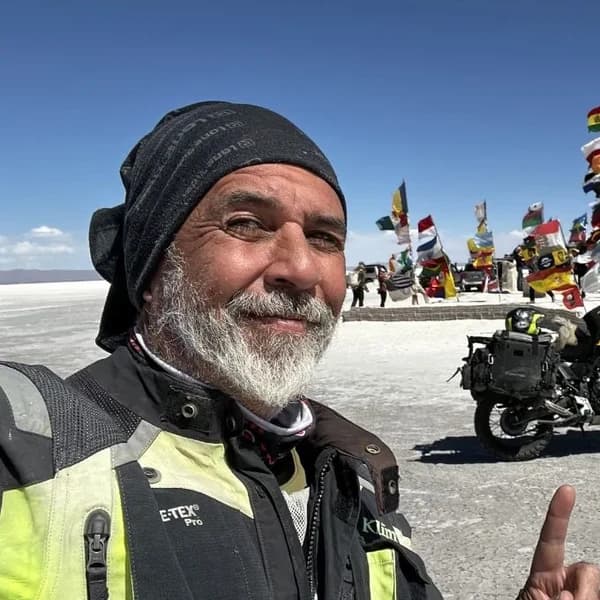
Motoviajero, autor y consultor de viajes en moto. +110.000 km por 4 continentes con Gloria, mi moto. Todo lo que lees aquí está probado en la carretera, no en un despacho.
Conoce mi historia →Última verificación: 2026-08-29
UN REGALO POR ESTAR AQUÍLA AVENTURA DE VIVIR LIBRE
Sientes que el miedo o la duda te paralizan antes de arrancar cualquier proyecto? No estás solo, a todos nos ha pasado.
Como agradecimiento por visitar mi página, te regalo mi libro "La Aventura de Vivir Libre". Un manual diseñado para darte un poco de luz entre tantas sombras y mostrarte la filosofía que me ha permitido recorrer el mundo durante años.
* PDF DIRECTO A TU BANDEJA. SIN SPAM.