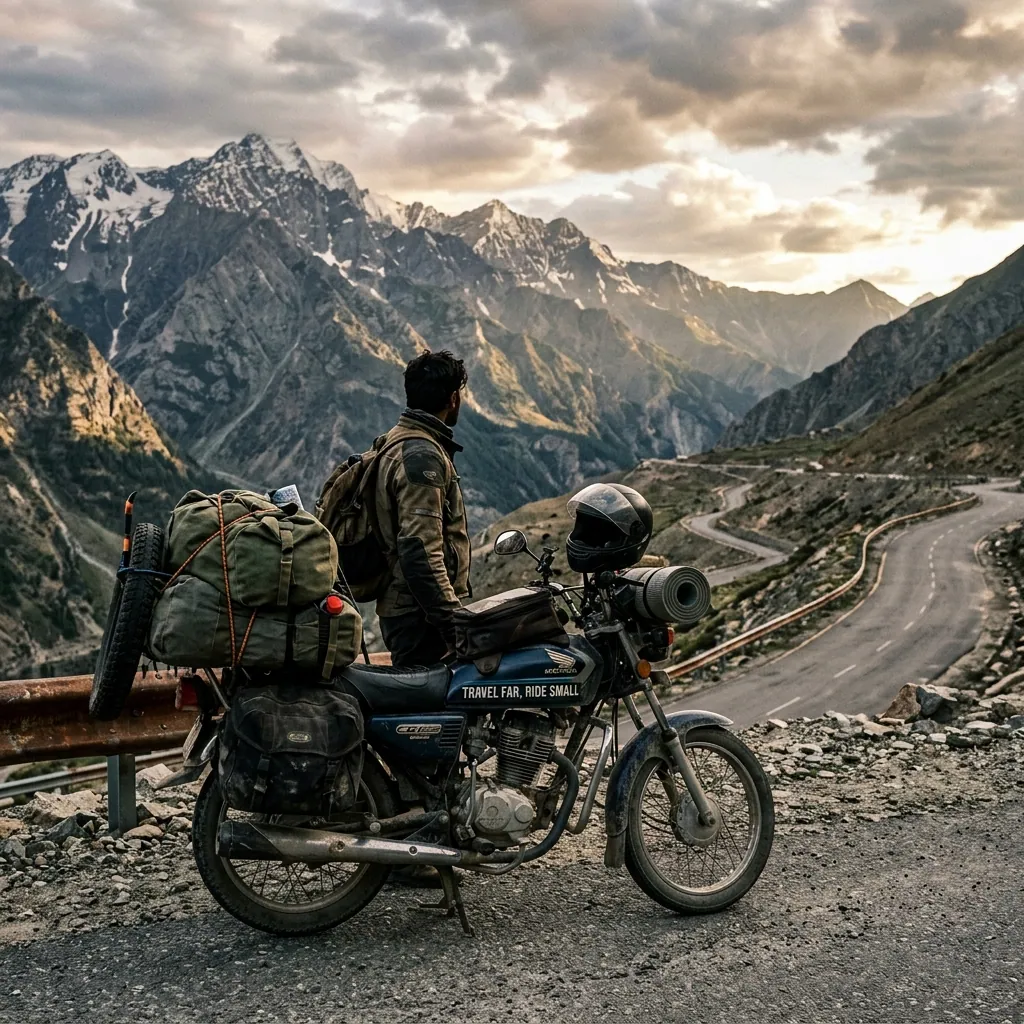
"There's a myth that says adventure starts when you sign a $20,000 check. The most experienced travelers I know ended up trading their massive bikes for a 125cc."
✅ QUICK ANSWER
Can small-displacement motorcycles be used for a long trip?
Yes. Riding a small bike demands less ego and more patience. It caps your top speed, but it drastically cuts costs, makes logistics easier in difficult terrain, and generates tremendous empathy with local people.
TABLE OF CONTENTS
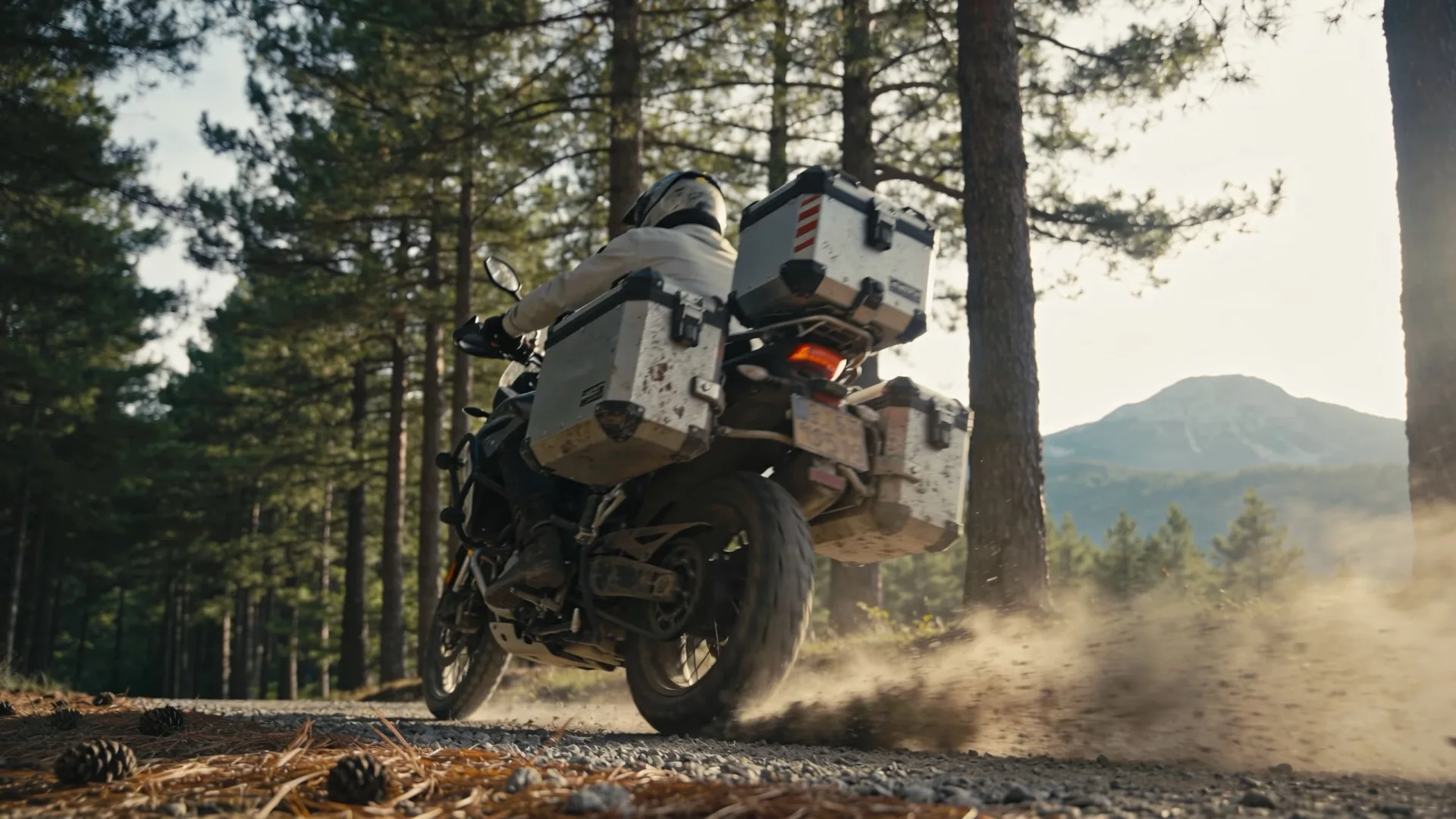
There's a myth in the moto-travel world: that the adventure only begins when you sign a $20,000 check for a 1200cc bike that weighs more than a small car. Marketing tells you that you need electronics, giant aluminum boxes, and NASA-grade suspension to cross your country's border.
The adventure does not depend on the power under your right fist — it depends on the free time in your calendar and the willingness to embrace uncertainty.
1. Can you travel on a small-displacement motorcycle?
Yes, absolutely and without a shadow of a doubt. In fact, the most experienced travelers I know — the ones who've been on the road for years, not months — end up trading their big bikes for small-displacement ones.
The problem is not whether the bike can make it — the problem is whether you can handle being slow. A 125cc or 150cc is not mechanically limited from going around the world, but it does require you to hack your mindset: you are no longer going to devour kilometres.
2. Advantages of riding a small bike long distance
- ▶Brutal savings: They burn almost nothing. Covering 100 km for $2-3 is real. Tyre changes are ridiculously cheap, and the purchase price is minimal.
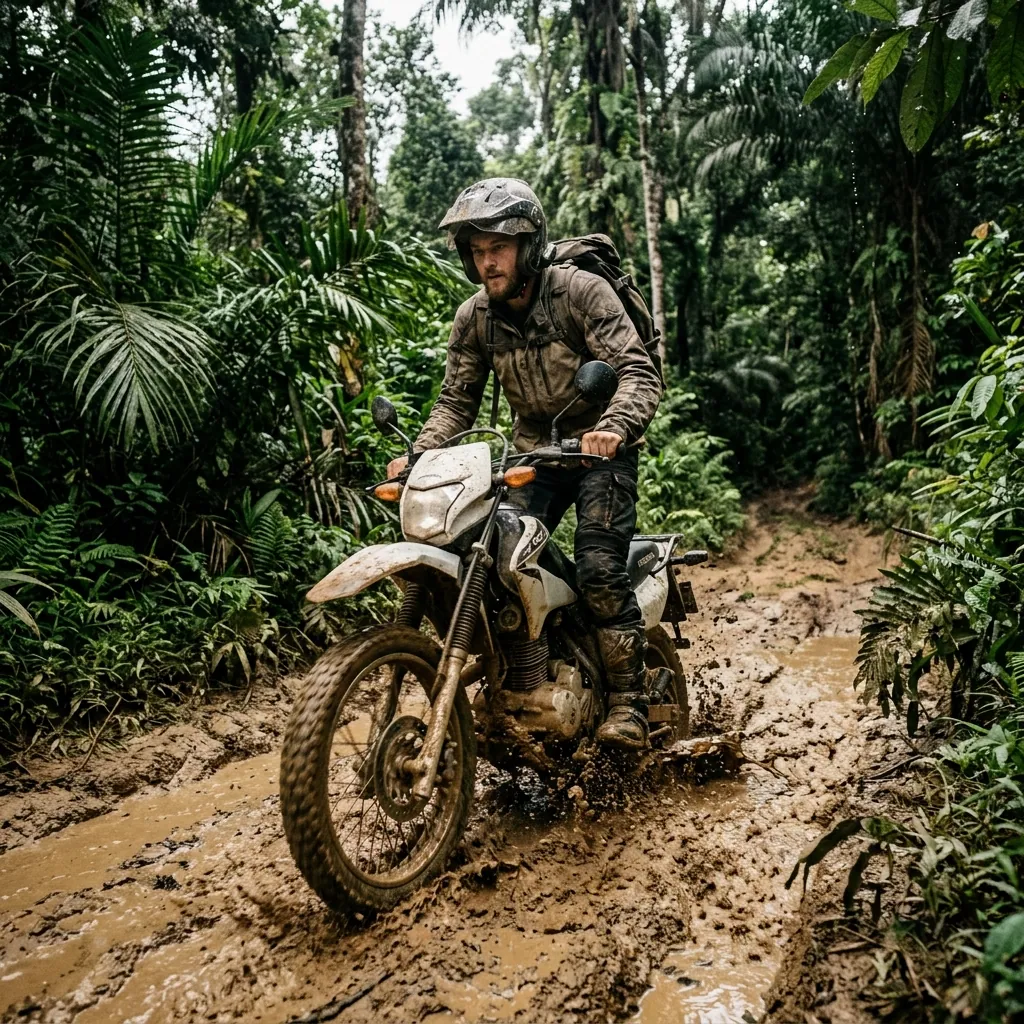
- ▶Featherweight: If it drops in the mud, you pick it up with one hand without wrecking your back. In sand sections, small bikes laugh while big GS models bury their rear wheels.
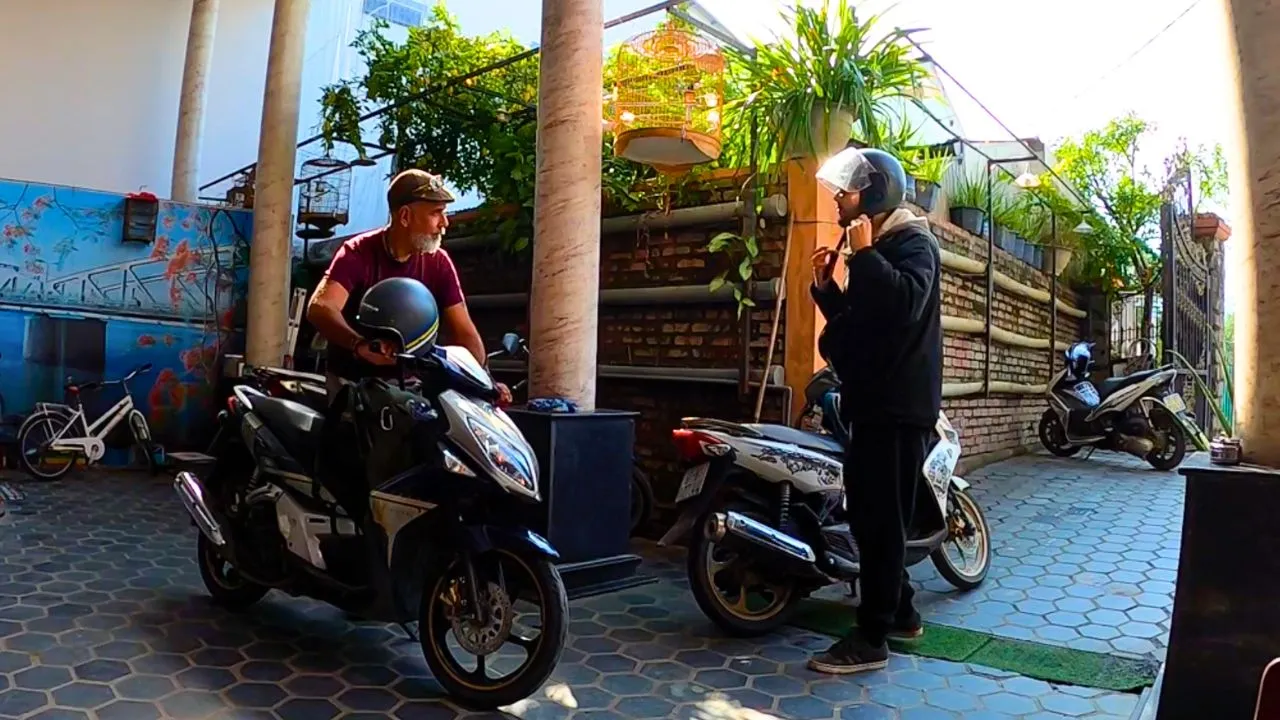
- ▶Invisibility and empathy: Arriving on a 125 doesn't intimidate locals. You don't look like a money-dripping alien. You inspire warmth, which opens infinite doors to invitations, smiles, and help in any village.
- ▶Universal mechanics: You can fix it with basic roadside mechanics knowledge and wire if needed. No sensors that die in the rain.
3. Disadvantages of small bikes (what you need to know)
It would be stupid to over-romanticize this. There are serious sacrifices:
- ▶No overtaking power: If you get stuck behind a belching truck doing 75 km/h, you don't have those extra 40 horsepower to accelerate past it. You have to wait, endure, and calculate to the millimetre. It's frustrating.
- ▶Highway saturation: On main roads, SUVs will buzz past within a metre of your handlebars. The turbulence is unsettling. You are the weakest link in the asphalt food chain.
- ▶Zero comfort: Your backside will suffer. The seats are not designed for 8-hour days, and the lack of a windshield turns you into the official collector of every headwind and every continent's insect population.
4. How to travel on a small bike (adapting your riding style)
Riding far on a small engine means redesigning your logistics. The shortest route as dictated by Google Maps (usually boring motorways) becomes the worst possible decision. Always switch on "Avoid tolls" and "Avoid motorways".
Travel time expands. What takes four hours on a big bike will take you the whole day. The trick is not to watch the clock. Accept your slowness and understand that you're travelling to see things, not to arrive. If you want to understand how to manage this pace, read about motorcycle trip logistics and pacing.
5. Which small-displacement motorcycle is best for travel
Here the golden rule is simplicity and reliability.
| Bike | Traveler advantages | The problem |
|---|---|---|
| Honda CG 125/150 | Absolutely unbreakable. Worldwide parts supply. It's a tractor. | Constant chain adjustment needed. Zero aerodynamics. |
| Yamaha YBR 125 | Refined engine, slightly more bearable seat, less vibration. | Slightly weak suspension on really destructive gravel roads. |
| Honda XR 150 / Tornado 250 | Ideal lightweight trail bikes. Squeeze through any gap and eat potholes. | High demand — they're the preferred target of thieves across Latin America. |
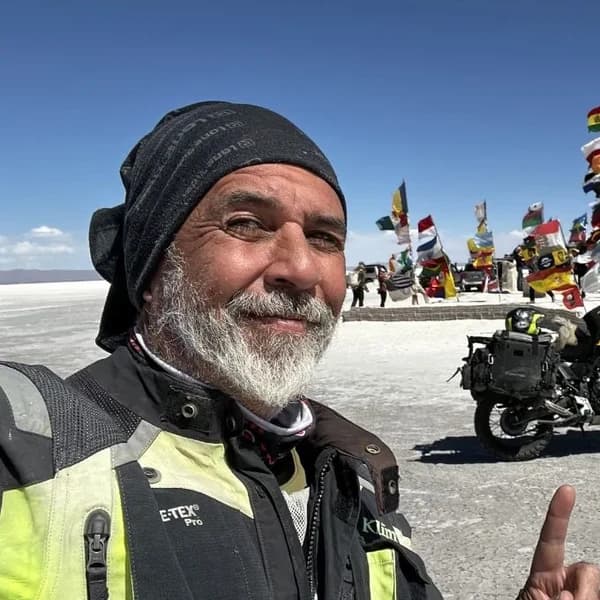
Gustavo Correa
Moto traveler, author and motorcycle travel consultant. 110,000+ km across 4 continents with Gloria, my motorcycle. Everything you read here has been tested on the road, not in an office.
Read my story →FAQ — FREQUENTLY ASKED QUESTIONS
What is the realistic cruising speed you can hold for hours?
Depends on the bike, but on a 125cc-150cc the ideal cruise speed, without destroying the engine, is 70 to 80 km/h. Pinning the throttle for hours on end will cook it.
What happens on climbs or in the mountains?
You'll go slower, and you'll have to drop gears — sometimes all the way to second or first. The bike will climb fine, but it teaches patience. Small bikes actually handle elevation well thanks to their light weight and short gear ratios.
Is it dangerous to travel on a small bike?
It's not the bike, it's the environment. The real danger on a small-displacement motorcycle is getting caught between trucks on high-speed motorways with no acceleration margin to escape. Avoid highways; secondary roads are your natural habitat.
Which small-displacement motorcycle is best for travel?
Any Honda CG 125/150, Yamaha YBR 125, or Suzuki GN 125. They're unbreakable, every mechanic in the world knows them, and you can find spare parts at the hardware store in the most remote village.
How many km per day is realistic?
Between 200 and 300 km per day is a healthy number for your back and for the single-cylinder engine. More than 400 km becomes torture and a serious fatigue risk.
Can you travel with full luggage?
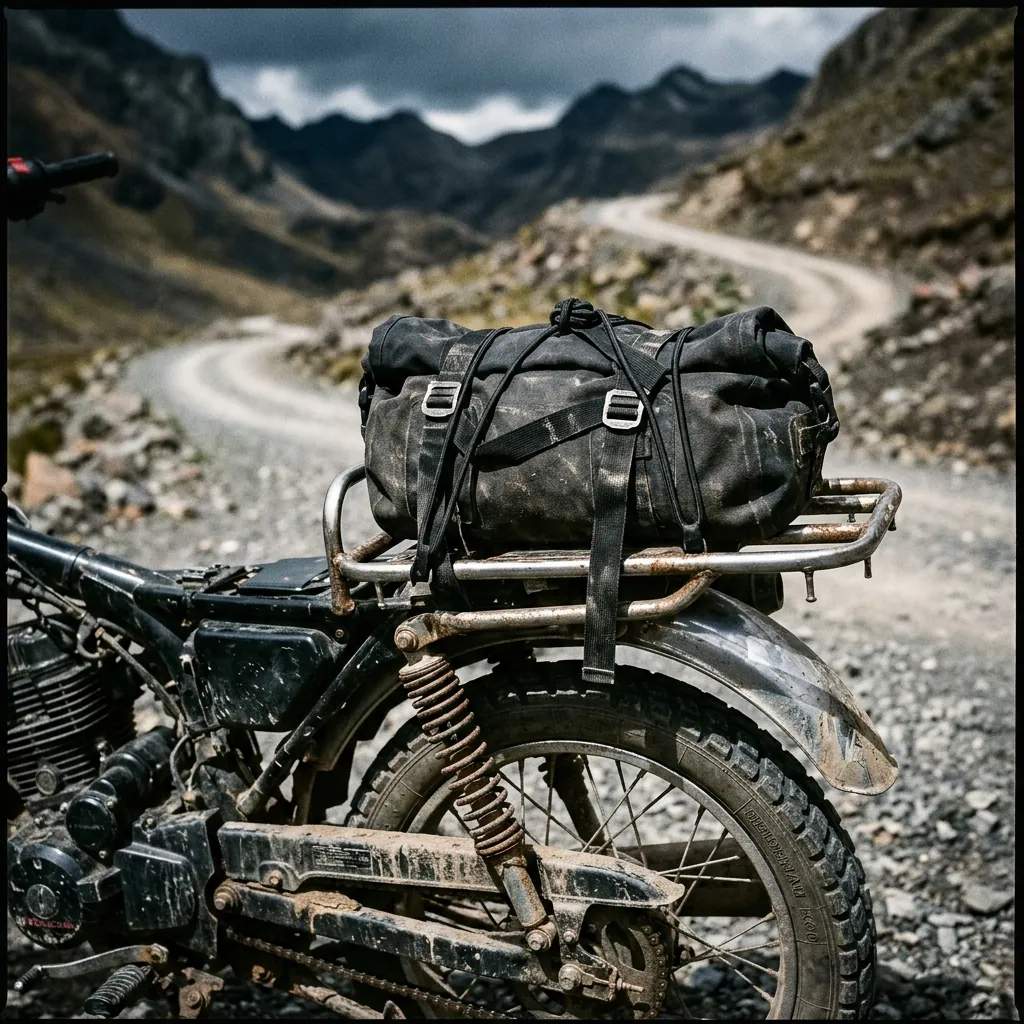
Yes, but with "War Economy" rules. Extreme minimalism. Only the essentials. If you load 40 kg of extra weight onto a 12 HP bike, you'll crack the subframe, wreck the shocks, and burn the clutch on the first uphill. Use dry bags only. No heavy aluminum panniers.