VIAJAR EN MOTO POR Honduras
RESPUESTA RÁPIDA
Honduras es un cruce casi obligado en la ruta panamericana en moto entre Guatemala y Nicaragua, y forma parte del acuerdo CA-4 de libre movimiento con esos dos países más El Salvador. El trámite de entrada es rápido — sello de pasaporte y Título de Importación Temporal (TIP) de la moto por 35 dólares, todo en efectivo — pero conviene planear bien la ruta: los corredores turísticos como Copán Ruinas, el Lago de Yojoa y la costa hacia La Ceiba y Roatán son manejables de día, mientras que San Pedro Sula, Tegucigalpa y el departamento de Gracias a Dios (La Mosquitia) requieren evitar el tránsito nocturno o directamente evitarse.
LO QUE NECESITAS SABER
El país al que piensas entrar tiene particularidades que tienes que conocer.
Antes de cruzar la frontera hay cuatro cosas que tienes que tener resueltas: qué tan seguro es el país, qué seguro es obligatorio para tu moto, dónde vas a encontrar combustible y cuándo conviene ir. Ninguna es opcional.
SEGURIDAD: RIESGO ALTO (4/5)
Es seguro Honduras para entrar en moto? Con matices — los corredores turísticos son manejables de día, pero varias zonas del país tienen alertas serias.
ZONAS A EVITAR
- San Pedro Sula (Chamelecón, Rivera Hernández): La Pandilla 18 y la MS-13 controlan sectores separados de estos barrios, con 'fronteras' internas que los propios vecinos evitan cruzar por la violencia entre pandillas. Trátala como punto de tránsito de día, no como destino para pernoctar.
- Tegucigalpa (Comayagüela y colonias periféricas): Alta presencia de pandillas según el Departamento de Estado de EE.UU. Evita caminar o circular de noche fuera de las zonas hoteleras céntricas.
- CA-5 entre San Pedro Sula y Siguatepeque (tramo Potrerillos-Pito Solo): El Departamento de Estado de EE.UU. documenta asaltos a mano armada y carjacking contra vehículos, con este tramo junto al Lago de Yojoa como el de mayor riesgo de la vía.
- Gracias a Dios / La Mosquitia: Zona de "no viajar" (nivel 4) para el Departamento de Estado de EE.UU. y de "no viajar bajo ninguna circunstancia" para el FCDO británico, por narcotráfico y ausencia de presencia policial.
- Retenes falsos en zonas rurales de Choluteca, Olancho y Colón: Reportes de criminales haciéndose pasar por policía, con uniformes incompletos o inconsistentes, para detener vehículos en carreteras aisladas de estos departamentos.
DÓNDE DEJAR LA MOTO
- Parking: En la calle: evita dejarla de noche en cualquier ciudad grande. Busca parqueo cerrado o el patio de un hotel/hostal, el estándar entre motoviajeros en la región.
- Alarma: Recomendable: sí, sobre todo en San Pedro Sula y Tegucigalpa. En Copán Ruinas, el Lago de Yojoa o Roatán es menos crítico.
- Equipaje: Baja lo que puedas cargar (mochila, tank bag, electrónica) al estacionar, incluso en zonas turísticas tranquilas.
- Visión: Estaciona donde haya movimiento de gente y buena luz. Nunca en calles solitarias o cerca de retenes improvisados.
CONSEJOS
- ➜No circules por carretera entre ciudades después del atardecer — la mayoría de los asaltos y retenes falsos ocurren de noche.
- ➜Entra y sal de San Pedro Sula y Tegucigalpa de día, tratándolas como puntos de paso y no de pernocte.
- ➜Si un vehículo con luces intermitentes te pide detenerte en una zona rural apartada, reduce la velocidad pero no te detengas del todo hasta llegar a una zona poblada o una estación de servicio — hay reportes de retenes falsos con uniformes incompletos.
Fuera de las zonas señaladas, la ruta clásica del motoviajero — Copán Ruinas, Lago de Yojoa, La Ceiba y el ferry a Roatán — es manejable si viajas de día y evitas la carretera de noche.
SEGURO OBLIGATORIO: Ninguno (no es obligatorio)
A diferencia de Nicaragua o Costa Rica, en Honduras no existe un seguro de responsabilidad civil obligatorio para motos con matrícula extranjera — no te lo piden ni en la frontera ni en retenes internos. Puedes circular con la cobertura de tu país de origen o sin seguro local. Si de todas formas quieres una póliza hondureña, aseguradoras como Seguros Equidad o MAPFRE Honduras venden responsabilidad civil, pero es una decisión tuya, no un requisito de frontera.
COMBUSTIBLE: BUENA DISPONIBILIDAD
Estaciones frecuentes en la CA-1, CA-5 y la mayoría de carreteras principales — no es un país donde te quedes varado por falta de gasolineras. El precio rondaba los 4.80 USD el galón de regular (unos 1.27 USD el litro) a mediados de 2026, de los más bajos de Centroamérica. Llena el tanque antes de cruzar a Nicaragua, donde el combustible es más escaso y caro.
MEJOR ÉPOCA: NOV → ABR
La temporada seca corre de noviembre a abril, con las carreteras en mejor estado y menos riesgo de derrumbes en las zonas montañosas. Mayo a octubre es temporada de lluvias, con septiembre y octubre como los meses más húmedos y riesgo de huracanes en la costa caribeña. Abril es el mes de transición: todavía mayormente seco, pero ya empiezan las primeras lluvias.
ENTRAR A HONDURAS EN MOTO
Honduras forma parte del acuerdo CA-4 junto con Guatemala, El Salvador y Nicaragua: un mismo sello de entrada te da movimiento libre entre los cuatro países durante 90 días. Pero eso solo cubre tu pasaporte — la moto necesita su propio trámite de importación temporal en cada país, incluido Honduras.
Según los relatos de motoviajeros en Horizons Unlimited y la guía especializada Mad or Nomad, el trámite en sí es sencillo si llevas todo en fotocopias. Tiene dos pasos:
Migraciones: Sella tu pasaporte de entrada. Cuesta 3 USD, en efectivo.
Aduana: Emite el TIP (Título de Importación Temporal) para la moto, en el mismo puesto. Cuesta 35 USD, en efectivo.
Ese mismo sello migratorio del CA-4 te da libre movimiento entre Honduras, Guatemala, El Salvador y Nicaragua durante 90 días en total — no vuelves a pagar entrada de pasajero en cada una de esas fronteras, aunque el TIP de la moto sí se tramita (y se paga) de nuevo en cada país.
Punto de fricción real:ningún paso es técnicamente complicado, pero todos exigen fotocopias de cada documento y pago en efectivo — ni el sello de 3 USD ni el TIP de 35 USD aceptan tarjeta.
En Guasaule, el paso hacia/desde Nicaragua, varios motoviajeros describen los formularios como confusos si no sabes de antemano qué llenar. Y en El Amatillo, hacia El Salvador, el lado hondureño ha sido descrito como el más caótico de la región, con largas filas paradas al sol.
Conviene cruzar temprano en la mañana, llevar varias fotocopias de cada papel y no hacerle caso a los tramitadores informales que rondan las casetas — no son necesarios.
DOCUMENTACIÓN NECESARIA
Pasaporte vigente: Vigente durante toda la estadía.
Carnet de conducir: El de tu país de origen alcanza.
Título de propiedad de la moto: Si no eres el titular, necesitas poder notarial del dueño.
Fotocopias de cada documento: Aduana pide copias escaneadas o físicas — no siempre hay fotocopiadora en el puesto, así que llévalas hechas.
Efectivo en USD: Cubre los 3 USD de migración y los 35 USD del TIP — ninguno de los dos acepta tarjeta.
TIP cancelado del país anterior: Fotocopia del permiso de importación ya sellado de salida en la frontera anterior.
Con estos seis puntos resueltos, cruzar a Honduras con la moto por un paso principal (El Florido desde Guatemala, Guasaule desde Nicaragua) es un trámite de rutina que no debería tomarte más de un par de horas si vas temprano.
Lo que sí conviene planear con cuidado es la ruta después de cruzar: prioriza llegar de día a tu próximo destino — San Pedro Sula y Tegucigalpa son puntos de tránsito, no de pernocte.
PRESUPUESTO DIARIO
Este rango de precios combina alojamientos económicos, cocina propia y mantenimiento básico de la moto — los tres rubros que más pesan en el presupuesto diario de cualquier motoviajero.
El verdadero presupuesto diario lo armas tú, de acuerdo a tus necesidades y tus límites, pero si quieres tener una idea de cómo armar el tuyo, elige tu categoría para ver la guía completa:
Desglose completo por rubro en la guía de presupuesto
LAS 10 MEJORES RUTAS EN MOTO POR HONDURAS
En este Top 10 no ordenamos las rutas de Honduras por dificultad ni por lo remotas que son: las ordenamos por fama real, de mayor a menor. Para decidir el orden revisamos guías especializadas de moto-viaje (Mad or Nomad, Overcross), foros de motociclistas de aventura como Horizons Unlimited y Adventure Rider, blogs de viajeros que cruzaron el país en moto, y medios especializados en motociclismo hondureño. La ruta a Copán Ruinas encabeza la lista porque no existe guía de moto por Centroamérica que no la mencione como parada obligada; las últimas del listado, como Montaña de la Flor o el Camino de la Culebra, son rutas genuinas y documentadas, pero mucho menos transitadas incluso por los propios motociclistas hondureños.
Antes de salir a cualquiera de estas diez rutas conviene repasarla guía de mecánica para viajes largos en moto, porque en Montaña de la Flor o en el Camino de la Culebra no hay taller a la vuelta de la esquina.
Y si tu plan es entrar a Honduras cruzando desde Guatemala, El Salvador o Nicaragua,la guía paso a paso para cruzar la frontera en motote ahorra sorpresas en el trámite de aduana e importación temporal antes de llegar a Copán.
Copán Ruinas:la ciudad maya del occidente hondureño
Copán, frontera con GuatemalaLlegar a Copán Ruinas en moto es rodar hacia la ciudad maya artísticamente más sofisticada jamás descubierta, fundada en el año 426 d.C. por el rey K'inich Yax K'uk' Mo' y gobernada por una dinastía de dieciséis reyes durante casi cuatro siglos.
En su apogeo, durante el período Clásico Tardío, el valle llegó a albergar más de 20.000 habitantes, una densidad urbana comparable a la de muchas ciudades europeas de la misma época.
La Acrópolis alcanza 37 metros de altura y 300 metros de largo, y junto a ella se levanta la Escalinata Jeroglífica, de 10 metros de ancho: el texto maya más extenso jamás tallado en piedra. La UNESCO declaró el sitio Patrimonio de la Humanidad en 1980.
El camino hasta ahí no está tan pulido como las ruinas: la CA-11 mezcla tramos de asfalto en buen estado con baches profundos y desvíos de grava, así que llegar en moto ya es, en sí mismo, parte de la aventura.
ADVERTENCIAS DE ESTA RUTA
Esto es lo que necesitas tener en cuenta antes de meterte en esta ruta.
- 01Autonomía de combustible
Buena. Estaciones completas en La Entrada y en el propio Copán Ruinas; llena el tanque en Santa Rosa de Copán si tomas el desvío por Cucuyagua.
Lago de Yojoa y las Cataratas de Pulhapanzak
Cortés / Comayagua, centro de HondurasBordear el Lago de Yojoa en moto es rodar alrededor del único lago natural grande de Honduras, una cuenca a 700 metros de altura formada entre volcanes extintos, reconocida por la ONU como Humedal de Importancia Internacional en 2005.
La cuenca del lago concentra la mayor diversidad de aves de todo el país: más de 400 especies registradas la convierten en uno de los puntos de birdwatching más buscados de Centroamérica.
A 17 kilómetros de la orilla norte espera la Catarata de Pulhapanzak, una caída de 43 metros sobre el Río Blanco donde se puede hacer rapel dentro de la propia cortina de agua.
La CA-5 que bordea el lago es, además, la vía que conecta San Pedro Sula con Tegucigalpa, así que casi cualquier motoviajero que cruce Honduras de norte a sur termina pasando por acá, aunque sea sin planearlo.
ADVERTENCIAS DE ESTA RUTA
Esto es lo que necesitas tener en cuenta antes de meterte en esta ruta.
- 01Autonomía de combustible
Excelente. Estaciones en Peña Blanca, Taulabé y La Guama, todas sobre la misma CA-5.
La Ruta Lenca:de Gracias a La Esperanza por el Celaque
Lempira / Intibucá, occidente de HondurasRecorrer la Ruta Lenca en moto entre Gracias y La Esperanza es cruzar el corazón cultural lenca de Honduras, una sucesión de pueblos de arquitectura colonial y bosques de pino que la prensa hondureña nombra cada año entre los destinos turísticos más consolidados del país.
Gracias, fundada en 1536, es una de las ciudades más antiguas de Honduras y la puerta de entrada al Parque Nacional Montaña de Celaque, donde se levanta el Cerro Las Minas: a 2.849 metros sobre el nivel del mar, el punto más alto de todo el país.
El propio nombre Celaque viene de la lengua lenca y hace referencia a los 11 ríos que nacen en la montaña y que después alimentan buena parte del occidente hondureño.
Quien se anima a desviarse de la ruta principal hacia La Campa y San Manuel Colohete encuentra grava suelta, subidas constantes y algunos de los pueblos lencas más tradicionales del país, casi sin tráfico.
ADVERTENCIAS DE ESTA RUTA
Esto es lo que necesitas tener en cuenta antes de meterte en esta ruta.
- 01Autonomía de combustible
Limitada fuera de Gracias y La Esperanza. No hay bombas en los pueblos lencas intermedios: sal con el tanque lleno.
El Ferry de La Ceiba a Roatán
Atlántida a Islas de la BahíaSubir la moto al catamarán Galaxy Wave para cruzar de La Ceiba a Roatán en moto repite, casi 230 años después, la ruta por la que los garífunas llegaron por primera vez a Honduras: el 12 de abril de 1797 más de 2.500 sobrevivientes de la deportación británica desde San Vicente desembarcaron en Punta Gorda, en la propia isla de Roatán.
El cruce en sí son 69,7 kilómetros de mar abierto en poco más de hora y media, a bordo de un catamarán de 46 metros con capacidad para 460 pasajeros.
Antes de embarcar, la carretera desde La Ceiba bordea el Parque Nacional Pico Bonito, 564 km² que van desde los 60 hasta los 2.480 metros de altura y que hoy protegen una población estimada de entre 20 y 50 jaguares.
Roatán, del otro lado, es la puerta al segundo arrecife de coral más grande del mundo después de la Gran Barrera australiana, un dato que explica por qué la isla es, con diferencia, el destino hondureño más buscado por viajeros de todo el planeta.
ADVERTENCIAS DE ESTA RUTA
Esto es lo que necesitas tener en cuenta antes de meterte en esta ruta.
- 01Autonomía de combustible
Buena en La Ceiba antes de embarcar; en Roatán hay estaciones en Coxen Hole y French Harbour.
El Anillo de Roatán:West Bay, West End y Coxen Hole
Roatán, Islas de la BahíaRecorrer el Anillo de Roatán en moto, de Coxen Hole a West End y West Bay, es la forma más directa de moverse por una isla de apenas 56 kilómetros de largo, rodeada por completo por el Arrecife Mesoamericano, la segunda barrera de coral más extensa del planeta después de la de Australia.
La carretera principal atraviesa pueblos costeros, jardines botánicos y decenas de accesos privados a resorts, alternando entre curvas cerradas junto al mar y tramos rectos de selva baja.
El tramo entre West End y Coxen Hole concentra el tráfico más denso e irregular de toda la isla, con curvas angostas pegadas al acantilado y motos, taxis y buses turísticos compartiendo un carril de ancho reducido.
Pasado el aeropuerto hacia el este, en cambio, el tránsito baja de golpe y el camino se vuelve una sucesión tranquila de calas y arrecifes visibles desde el propio asfalto.
ADVERTENCIAS DE ESTA RUTA
Esto es lo que necesitas tener en cuenta antes de meterte en esta ruta.
- 01Autonomía de combustible
Buena. Estaciones en Coxen Hole y French Harbour; casi no hay entre West End y Oak Ridge, así que no dejes bajar mucho el tanque.
- 02Tráfico denso entre West End y Coxen Hole
Es el tramo con más tráfico y las curvas más cerradas de la isla, con motos, taxis y buses turísticos compartiendo una vía angosta pegada al acantilado. Extrema la precaución, sobre todo al anochecer.
Tela y la Península de Punta Sal
Atlántida, costa caribeñaRodar la costa de Tela en moto hasta el límite del Parque Nacional Jeannette Kawas es entrar a 781,62 km² de selva húmeda tropical, manglar y playa donde conviven manatíes, jaguares y más de 427 especies de aves registradas.
El parque lleva el nombre de Jeannette Kawas, directora de la organización ambientalista PROLANSATE, asesinada el 6 de febrero de 1995 por defender la península de Punta Sal frente al avance de las plantaciones de palma africana, un crimen que hoy sigue sin resolverse y que convirtió a la reserva en un símbolo de la lucha ambiental hondureña.
La costa que se recorre para llegar ahí es también territorio garífuna: las comunidades afrodescendientes que llegaron a Honduras el 12 de abril de 1797 se dispersaron desde Roatán a lo largo de todo este litoral, y hoy sus pueblos, con su propia lengua, música y gastronomía, son parte central del paisaje humano de la ruta.
ADVERTENCIAS DE ESTA RUTA
Esto es lo que necesitas tener en cuenta antes de meterte en esta ruta.
- 01Autonomía de combustible
Buena en Tela; no hay estaciones dentro del área protegida.
Valle de Ángeles, Santa Lucía y el Parque La Tigra
Francisco Morazán, cerca de TegucigalpaEl circuito de Valle de Ángeles en moto, con desvío a Santa Lucía y San Juancito, es la escapada de fin de semana más clásica para cualquier motociclista de Tegucigalpa: apenas 37 kilómetros de asfalto de montaña que suben hasta el borde del Parque Nacional La Tigra.
La Tigra fue declarado el 1 de enero de 1980 el primer parque nacional de la historia de Honduras, y hoy protege 24.040 hectáreas de bosque nublado con más de 200 especies de aves.
El nombre del parque viene de una leyenda local: cuentan que un campesino que salía a diario de San Juancito se cruzó una vez con una tigra y su cachorro en el bosque, y desde entonces el lugar quedó bautizado así.
Santa Lucía y Valle de Ángeles, con sus calles empedradas y casas de techos de teja, conservan el trazado colonial de los antiguos pueblos mineros que abastecieron a Tegucigalpa, un contraste directo con el bosque nublado que arranca apenas unos kilómetros más arriba.
ADVERTENCIAS DE ESTA RUTA
Esto es lo que necesitas tener en cuenta antes de meterte en esta ruta.
- 01Autonomía de combustible
Excelente. Estaciones en Valle de Ángeles y a la salida de Tegucigalpa.
La Península de Zacate Grande y el Golfo de Fonseca
Valle, sur de HondurasLlegar a la Península de Zacate Grande en moto es rodar hacia el paisaje más árido y menos transitado de todo este Top 10: playas semidesérticas sobre el Golfo de Fonseca, el mismo golfo que comparten Honduras, El Salvador y Nicaragua.
Frente a la península se levanta el volcán de la Isla del Tigre, un cono casi perfecto de 783 metros de altura, uno de los volcanes menos erosionados de todo el continente.
En su base está Amapala, el puerto que durante décadas fue la principal salida de Honduras al Pacífico, y que llegó a ser, por un breve período, capital del país el 26 de agosto de 1876. Algo más de cincuenta años después, en 1931 y 1928 respectivamente, Albert Einstein y Herbert Hoover pasaron por este mismo puerto.
Hoy el tráfico se redujo a pescadores locales y algún motoviajero curioso: el tramo final hacia la península son 6 kilómetros de tierra y arena que se sienten como el fin del mapa hondureño.
ADVERTENCIAS DE ESTA RUTA
Esto es lo que necesitas tener en cuenta antes de meterte en esta ruta.
- 01Autonomía de combustible
Escasa en la península. Llena el tanque en Coyolito o San Lorenzo antes de cruzar.
Montaña de la Flor:territorio tolupán
Orica, Francisco MorazánSubir a Montaña de la Flor en moto es entrar a uno de los territorios indígenas más aislados de Centroamérica, a poco más de 100 kilómetros en línea recta de la capital pero a horas de curvas cerradas, pasos estrechos y cruces de agua.
Ahí viven los tolupanes, un pueblo indígena organizado en cinco tribus, San Juan, La Ceiba, El Lavandero, Guaruma y Antiguo Paraíso de Marale, repartidas entre los municipios de Orica y Marale, al norte de Francisco Morazán.
El camino final hacia las comunidades no está pavimentado: son tramos de tierra y piedra suelta rodeados de bosque, sin señal de teléfono y con muy poco tráfico más allá de los propios vecinos de la zona.
Es, de las diez rutas de este Top 10, la que menos aparece en las guías turísticas convencionales, y por eso mismo, la que más se acerca a la Honduras rural que casi nadie de afuera llega a ver.
ADVERTENCIAS DE ESTA RUTA
Esto es lo que necesitas tener en cuenta antes de meterte en esta ruta.
- 01Autonomía de combustible
Muy limitada. La última estación confiable queda en Orica; no hay combustible dentro del territorio indígena.
El Camino de la Culebra:de La Ceiba a Olanchito
Atlántida a YoroEl Camino de la Culebra en moto, el viejo trazado que sube desde La Ceiba siguiendo el Río Cangrejal hasta el Valle de Yaruca, es la ruta menos domesticada de todo este Top 10, tanto que ni siquiera todos los motoviajeros que la buscan logran terminarla.
El camino nace junto al mismo Cangrejal que hace famosa a La Ceiba entre los amantes del rafting, con rápidos de clase III y IV, y trepa en curvas cerradas hacia la Cordillera Nombre de Dios, la misma que también protege al Parque Nacional Pico Bonito.
Pasado Yaruca, el camino pierde su condición de carretera: se convierte en un sendero angosto que exige moto liviana, experiencia real en offroad y estar dispuesto a dar marcha atrás si el barro no perdona.
Del otro lado, ya bajando hacia el Valle del Aguán, el terreno se vuelve traicionero: derrumbes frecuentes cortan el descenso, sobre todo después de las lluvias del Caribe hondureño.
ADVERTENCIAS DE ESTA RUTA
Esto es lo que necesitas tener en cuenta antes de meterte en esta ruta.
- 01Autonomía de combustible
Nula después de La Ceiba. No hay ningún punto de abastecimiento hasta llegar a Olanchito.
- 02Derrumbes frecuentes en el descenso al Aguán
El tramo final, bajando hacia el Valle del Aguán, es propenso a derrumbes documentados por viajeros que ya lo recorrieron. No te aventures ahí después de lluvias fuertes.
PAÍSES VECINOS
Vas a cruzar la frontera? Haz clic en un país para ver sus 10 mejores rutas en moto.
PREGUNTAS FRECUENTES
01Necesito seguro para entrar a Honduras con la moto?
+
Necesito seguro para entrar a Honduras con la moto?
No. A diferencia de Nicaragua o Costa Rica, Honduras no exige un seguro de responsabilidad civil para vehículos extranjeros — no te lo piden ni en la frontera ni en retenes internos. Puedes viajar con la cobertura de tu país de origen o sin seguro local.
02Qué es el TIP y cuánto cuesta entrar con la moto a Honduras?
+
Qué es el TIP y cuánto cuesta entrar con la moto a Honduras?
El TIP (Título de Importación Temporal de Vehículos) es el permiso de aduana para tu moto. Cuesta 35 USD, se paga en efectivo en el mismo puesto fronterizo y normalmente se otorga por un máximo de 90 días.
03Qué es el CA-4 y cómo afecta mi visa si voy a recorrer Centroamérica en moto?
+
Qué es el CA-4 y cómo afecta mi visa si voy a recorrer Centroamérica en moto?
Es el acuerdo de libre movimiento entre Guatemala, El Salvador, Honduras y Nicaragua: un mismo sello de entrada te da acceso a los cuatro países por 90 días en total, no 90 días por país. El conteo empieza en el primer país del CA-4 que pises y no se reinicia al cruzar a otro — pero la moto sí necesita un TIP nuevo en cada frontera.
04Es seguro viajar en moto por Honduras?
+
Es seguro viajar en moto por Honduras?
Con matices. Los corredores turísticos como Copán Ruinas, el Lago de Yojoa y la ruta hacia La Ceiba son manejables si viajas de día. San Pedro Sula, Tegucigalpa y el departamento de Gracias a Dios (La Mosquitia) requieren evitar el tránsito nocturno o, en el caso de Gracias a Dios, evitarse directamente — el Departamento de Estado de EE.UU. y el FCDO británico lo marcan como zona de no viajar.
05Cuál es la mejor época para recorrer Honduras en moto?
+
Cuál es la mejor época para recorrer Honduras en moto?
De noviembre a abril, temporada seca, con las carreteras en mejor estado. Mayo a octubre es temporada de lluvias, con septiembre y octubre como los meses más húmedos y riesgo de huracanes en la costa caribeña.
06Puedo llevar mi moto a Roatán?
+
Puedo llevar mi moto a Roatán?
Sí, hay ferry de carga para vehículos desde La Ceiba hasta Roatán. Es la única forma de llevar la moto a la isla — no existe puente ni otra conexión terrestre.
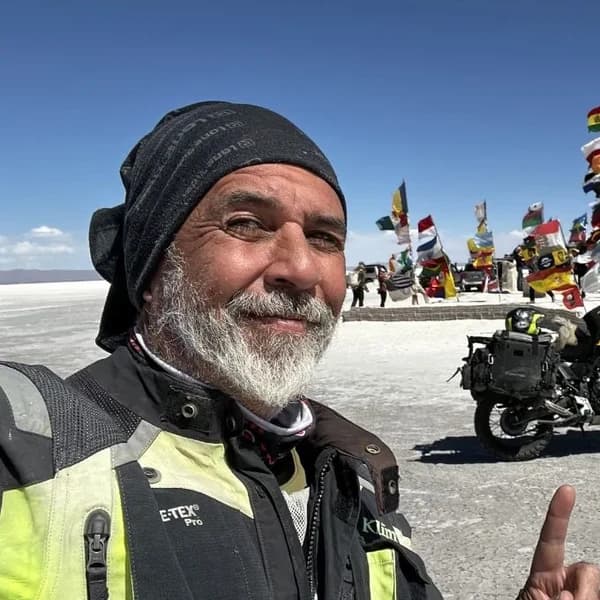
Gustavo Correa
Motoviajero, autor y consultor de viajes en moto. +110.000 km por 4 continentes con Gloria, mi moto. Todo lo que lees aquí está probado en la carretera, no en un despacho.
Conoce mi historia →Última verificación: 2026-08-29
UN REGALO POR ESTAR AQUÍLA AVENTURA DE VIVIR LIBRE
Sientes que el miedo o la duda te paralizan antes de arrancar cualquier proyecto? No estás solo, a todos nos ha pasado.
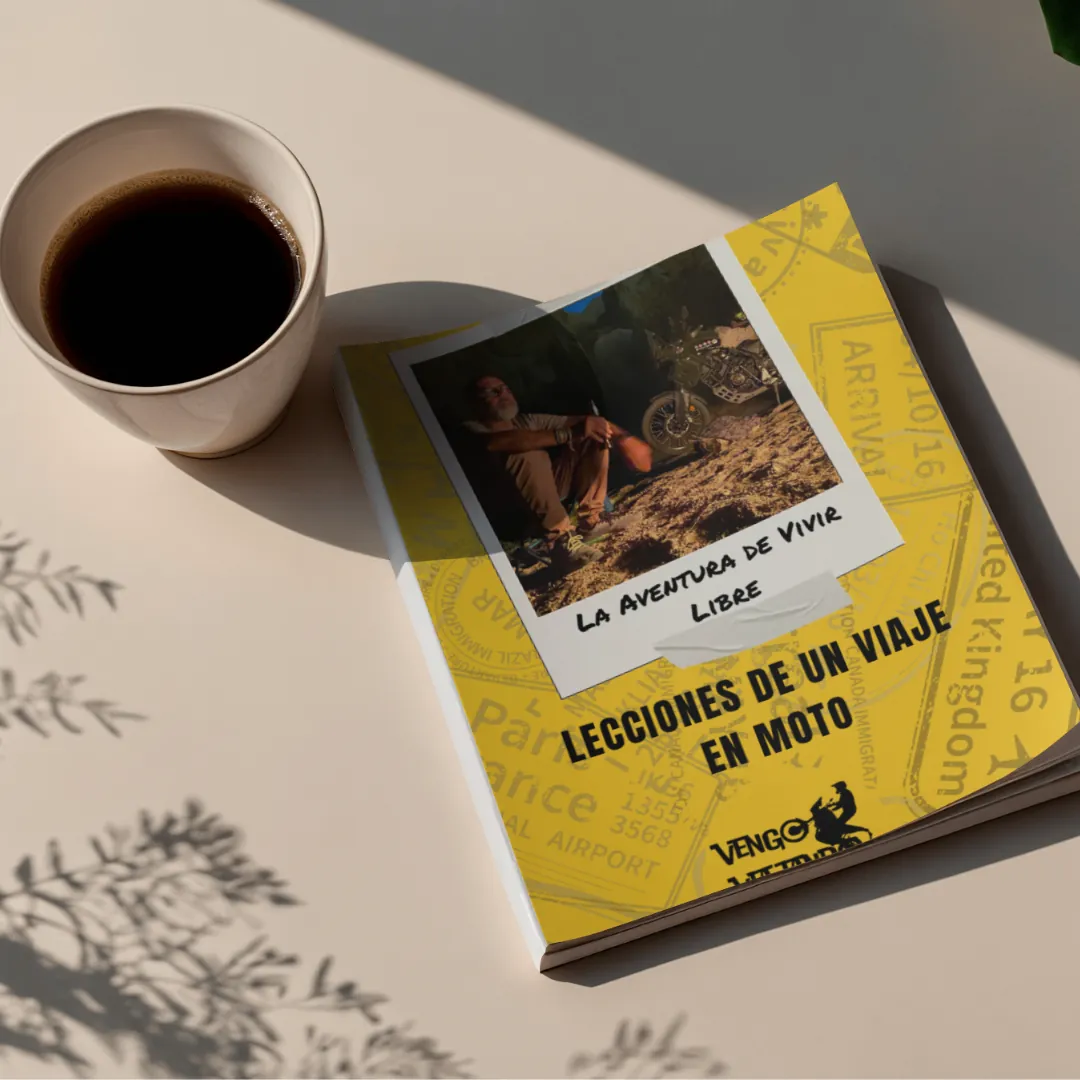
Como agradecimiento por visitar mi página, te regalo mi libro "La Aventura de Vivir Libre". Un manual diseñado para darte un poco de luz entre tantas sombras y mostrarte la filosofía que me ha permitido recorrer el mundo durante años.
* PDF DIRECTO A TU BANDEJA. SIN SPAM.