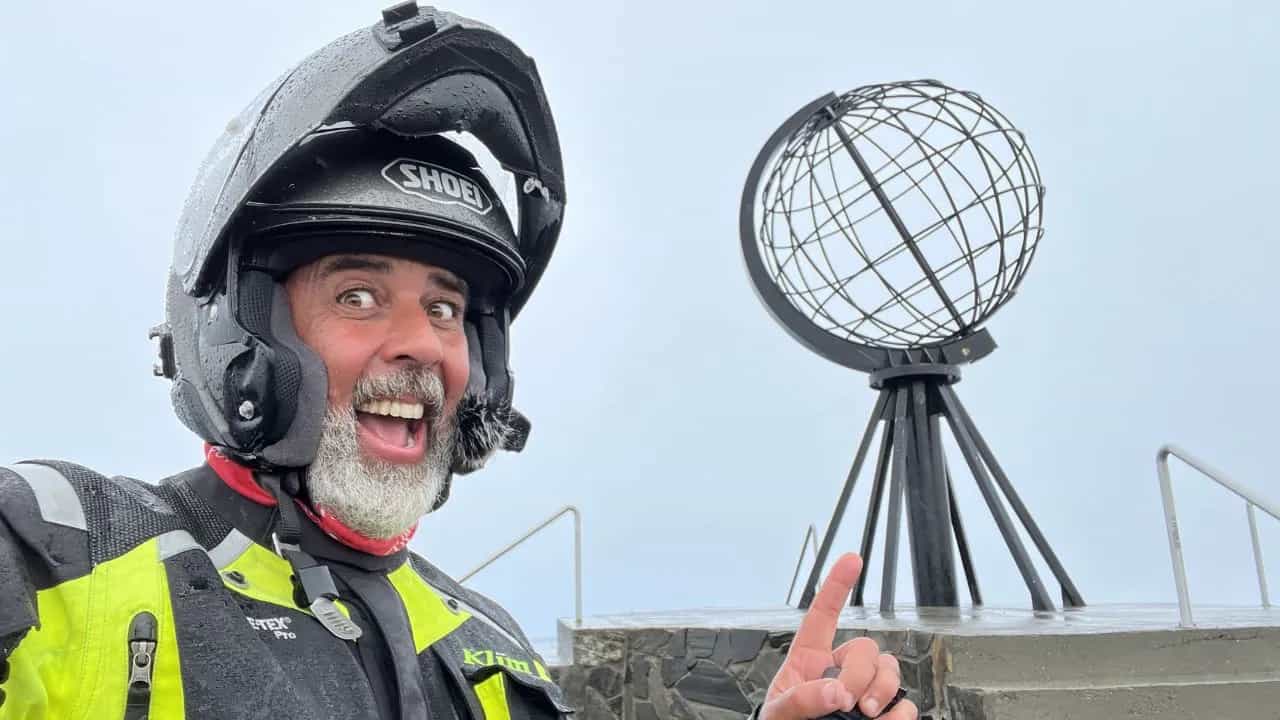
VIAJAR EN MOTO POR Noruega
RESPUESTA RÁPIDA
Noruega es el destino final de la ruta en moto más buscada de Europa: el Cabo Norte (Nordkapp), el punto continental más al norte del continente. Si tu moto está matriculada en la Unión Europea o el Espacio Económico Europeo, entrar es tan simple como cruzar cualquier frontera interna de Schengen — no existe ningún trámite de importación temporal ni sello de aduana. El verdadero filtro no es el papeleo, es el calendario: la ventana real para completar el Cabo Norte va de junio a agosto, cuando el sol de medianoche mantiene abiertas las carreteras y los ferris de los fiordos.
LO QUE NECESITAS SABER
El país al que piensas entrar tiene particularidades que tienes que conocer.
Antes de cruzar la frontera hay cuatro cosas que tienes que tener resueltas: qué tan seguro es el país, qué seguro es obligatorio para tu moto, dónde vas a encontrar combustible y cuándo conviene ir. Ninguna es opcional.
SEGURIDAD: RIESGO MUY BAJO (1/5)
Es seguro Noruega para entrar en moto? Sí — es uno de los países más tranquilos del mundo para viajar.
ZONAS A EVITAR
- Grønland y Tøyen (Oslo): Zonas con algo más de hurtos y robo de bicicletas o motos que el resto de la ciudad, sobre todo de noche. No es peligro violento, pero conviene no dejar la moto estacionada ahí durante toda la noche.
- Parkings de miradores turísticos en temporada alta: En puntos muy fotografiados como el propio Cabo Norte o los miradores de Lofoten, el robo de equipaje suelto de motos estacionadas —no de la moto en sí— es el incidente más reportado por motoviajeros. Nunca dejes cascos o bolsos a la vista.
DÓNDE DEJAR LA MOTO
- Parking: Casi cualquier estacionamiento de calle es seguro de día. De noche, en Oslo prefiere una calle iluminada y con movimiento; en pueblos pequeños y zonas rurales no hay mayor riesgo.
- Alarma: No es imprescindible fuera de Oslo. En la capital, un disco de freno con alarma es una capa extra útil, más por disuasión que por necesidad real.
- Equipaje: Saca lo que puedas cargar (tank bag, cámara, electrónica) cuando pares en un mirador turístico — es el robo más común, no el de la moto.
- Visión: Estaciona a la vista, en zonas con movimiento de gente — en el interior rural y en el norte esto casi nunca es un problema real.
CONSEJOS
- ➜Guarda cascos y equipaje en las alforjas o bajo llave cuando pares en un mirador concurrido, en vez de dejarlos sobre el asiento.
- ➜En Oslo, evita dejar la moto estacionada toda la noche en Grønland o Tøyen si tienes otra opción cerca.
Fuera de esos pocos puntos, Noruega es probablemente el país más seguro de toda esta serie de guías para moverte en moto sin mayores preocupaciones.
SEGURO OBLIGATORIO: Cobertura EEE / Carta Verde
Si tu moto está matriculada en un país de la Unión Europea o del Espacio Económico Europeo, tu seguro obligatorio ya te cubre en Noruega de forma automática, gracias a la directiva europea de seguro de vehículos — no necesitas comprar nada adicional ni llevar la Carta Verde física. Si tu moto está matriculada fuera del EEE (Latinoamérica, Reino Unido, EE.UU., etc.), necesitas una póliza de seguro de responsabilidad civil válida en Noruega, normalmente contratada como Carta Verde en tu país de origen antes de viajar.
COMBUSTIBLE: CARO, NO ESCASO
La red de estaciones es densa y confiable en todo el país, incluso en el norte y en Lofoten — el problema no es la disponibilidad sino el precio: la gasolina en Noruega está entre las más caras de Europa, y en el extremo norte puede costar todavía un poco más que en el corredor de Oslo. Uno-X e YX suelen ser las cadenas más baratas.
MEJOR ÉPOCA: JUN → AGO
Junio a agosto es la ventana real para completar el Cabo Norte: el sol de medianoche mantiene luz las 24 horas al norte del Círculo Polar Ártico, los ferris de los fiordos operan a frecuencia completa y la nieve ya liberó los pasos de montaña. Fuera de esa ventana, sobre todo en invierno, el tramo final de la E69 hacia Nordkapp puede cerrarse a vehículos privados por temporales y abrir solo en caravanas escoltadas.
ENTRAR A NORUEGA EN MOTO
Noruega no es miembro de la Unión Europea, pero sí forma parte del Espacio Económico Europeo (EEE) y del área Schengen, así que en la práctica cruzar hacia el país es tan simple como cruzar entre dos países de la UE.
Si ya entraste al área Schengen con tu moto y tus papeles en regla, entrar a Noruega no exige ningún trámite adicional — no hay TITV, no hay carnet de paso, no hay sello de aduana para la moto. En la práctica hay dos situaciones distintas según de dónde vengas:
Frontera terrestre (Suecia o Finlandia): No hay control de pasaporte rutinario — ambos países son Schengen. Puede haber un control aduanero puntual de mercancías (alcohol, tabaco) en pasos como Svinesund, pero no afecta la documentación de la moto.
Llegada por ferry (fuera de Schengen): Si entras por ferry desde el Reino Unido u otro país fuera de Schengen, sí te piden pasaporte al desembarcar. Ten a mano la documentación de la moto y el seguro por si un oficial de aduana los solicita.
No existe ningún trámite de importación temporal para la moto — a diferencia de Sudamérica, no hay formulario que completar ni tasa que pagar: la libre circulación del Espacio Económico Europeo cubre directamente a cualquier moto matriculada en la UE o el EEE.
Punto de fricción real:para motos matriculadas fuera de la UE/EEE (Latinoamérica, Reino Unido tras el Brexit, EE.UU., etc.) el límite real no es un trámite aduanero sino la visa Schengen: 90 días dentro de cualquier período de 180, que aplica tanto al piloto como al tiempo que la moto puede permanecer en el espacio Schengen sin pagar impuestos.
Si entras por el trayecto clásico (ferry Hirtshals-Kristiansand o Frederikshavn-Oslo desde Dinamarca), lleva el chaleco reflectante a mano desde el desembarco: es obligatorio ponértelo visible si te detienes al costado del camino, y la policía de tránsito noruega controla.
DOCUMENTACIÓN NECESARIA
Pasaporte o DNI: Vigente durante toda la estadía. Si vienes de fuera de la UE/EEE, cuenta para el límite de 90 días de la visa Schengen.
Carnet de conducir: El de tu país alcanza. Si no está en inglés u otro idioma ampliamente entendido en Europa, conviene llevar también un permiso internacional de conducir.
Documentación de la moto: Título de propiedad o cédula verde. Si no eres el titular, necesitas autorización notarial del dueño.
Seguro con cobertura en Noruega: Automático si tu moto está matriculada en la UE/EEE. Si no, necesitas una póliza de Carta Verde (Green Card) vigente para Noruega.
Chaleco reflectante: Obligatorio llevarlo a bordo y ponértelo si te detienes al costado de la ruta — la policía noruega multa si no lo tienes accesible.
Con estos cinco puntos resueltos, entrar a Noruega con la moto es, literalmente, el trámite más simple de toda esta serie de guías: no hay aduana que tramitar ni papel que sellar. La recomendación que más repiten los motoviajeros: guarda una copia digital de cada documento, porque el control real —cuando ocurre— pasa en la ruta, no en la frontera.
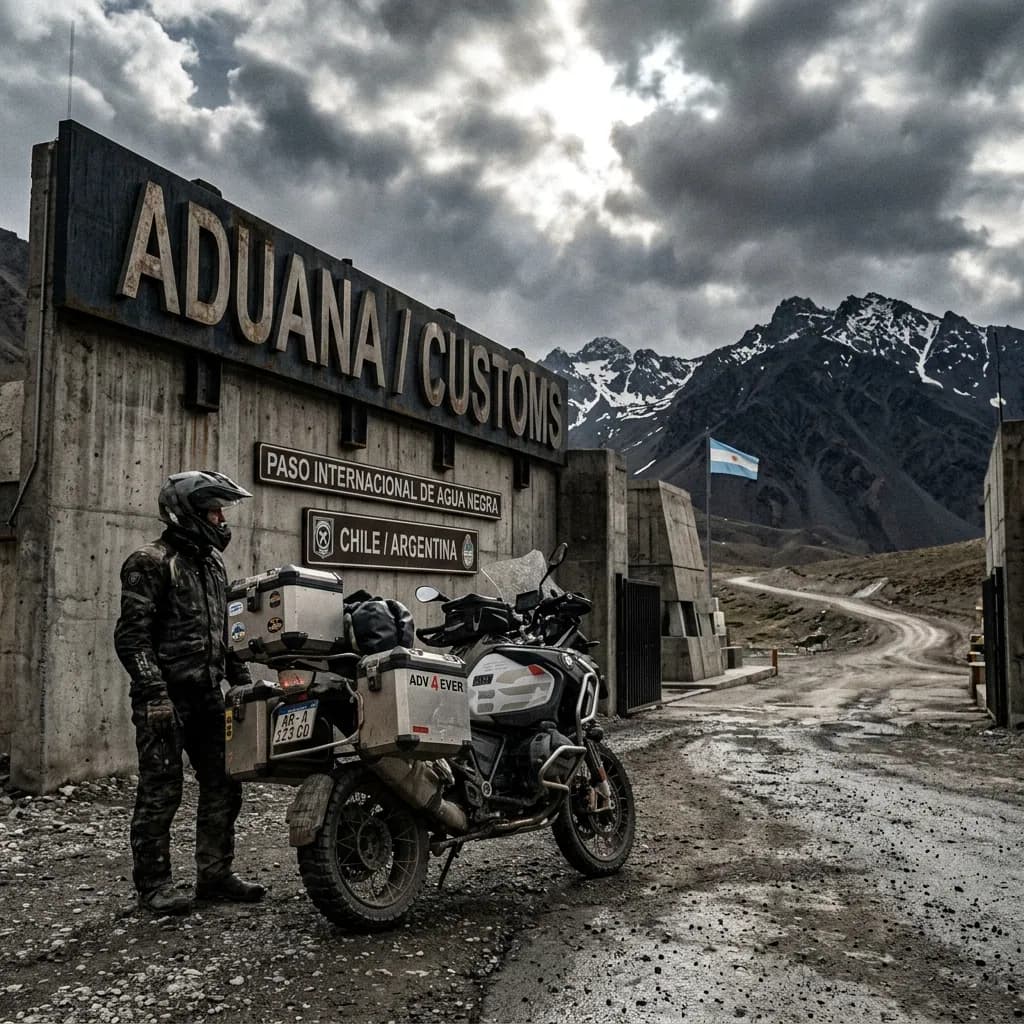
PRESUPUESTO DIARIO
Este rango de precios combina alojamientos económicos, cocina propia y mantenimiento básico de la moto — los tres rubros que más pesan en el presupuesto diario de cualquier motoviajero.
El verdadero presupuesto diario lo armas tú, de acuerdo a tus necesidades y tus límites, pero si quieres tener una idea de cómo armar el tuyo, elige tu categoría para ver la guía completa:
Desglose completo por rubro en la guía de presupuesto
LAS 10 MEJORES RUTAS EN MOTO POR NORUEGA
Noruega es, para buena parte de la comunidad motoviajera internacional, el país que define lo que significa "ruta de culto": pasos de montaña tallados a mano en los años 30, puentes que saltan de isla en isla sobre el Atlántico Norte, y una meseta ártica que termina en un acantilado de 307 metros sobre el Cabo Norte. No hace falta ir fuera de asfalto para encontrar terreno exigente aquí — la dificultad está en la pendiente, las curvas cerradas y el clima, no en la grava.
El orden de este Top 10 no es geográfico ni por dificultad: está ordenado de mayor a menor fama real, según cuántas veces cada ruta aparece mencionada — y en qué posición — en los listados "best motorcycle roads in Norway" de medios especializados, en foros de motoviajeros como Horizons Unlimited y ADVrider, y en los blogs de viaje en moto que más se citan entre sí. La posición 1 es la ruta que cualquier motoviajero que investigue "motorcycle route Norway" encuentra primero; de ahí para abajo, todas siguen siendo rutas genuinamente reconocidas, nunca hallazgos oscuros.
Noruega es uno de los países más caros del mundo para viajar en moto — antes de salir, conviene armar elpresupuesto real de un viaje largo en moto, porque un tanque de nafta o una noche de camping cuestan distinto que en Sudamérica.
En pasos como el Abra del Acay noruego que es el Sognefjellet, o en la meseta de Hardangervidda, no hay taller a la vuelta de la esquina — repasa laguía de mecánica para viajes largos en motoantes de subir a cualquiera de estas 10 rutas.
El clima ártico cambia varias veces por día incluso en pleno verano — laguía de equipamiento para viajes largos en motote ayuda a decidir qué capas llevar para pasar de sol a aguanieve en la misma tarde.
Trollstigen:la Escalera de los Trolls
Møre og Romsdal (Åndalsnes–Valldal)Subir el Trollstigen en moto es enfrentar once curvas cerradas talladas a mano entre 1928 y 1936, cuando cuadrillas noruegas volaron la roca viva con dinamita para trepar 858 metros en apenas 8 kilómetros. El rey Haakon VII inauguró el camino el 31 de julio de 1936.
Justo al costado de las curvas cae la cascada Stigfossen, con 320 metros de caída libre — el motivo por el que casi todas las fotos de la subida terminan con agua de fondo.
Hoy Trollstigen recibe más de 1,1 millón de visitantes por temporada y aparece junto al paso del Stelvio y el Col de l'Iseran en la mayoría de los rankings mundiales de "mejores rutas de montaña". El propio volumen de turismo es parte del desafío: en las curvas más cerradas, buses y motorhomes necesitan todo el ancho del camino y suelen invadir el carril contrario.
ADVERTENCIAS DE ESTA RUTA
Esto es lo que necesitas tener en cuenta antes de meterte en esta ruta.
- 01Autonomía de combustible
Buena. Estaciones en Åndalsnes y Valldal a ambos extremos del paso; nada en el medio de la subida.
- 02Buses y motorhomes invadiendo el carril en las curvas
En temporada alta, buses turísticos y motorhomes necesitan el ancho completo del camino en las curvas más cerradas y suelen quedar atascados o invadir el carril contrario — reduce la velocidad antes de cada curva ciega.
- 03Cierres por desprendimiento de rocas
En junio de 2024 el camino se cerró por completo tras registrarse seis desprendimientos de roca en apenas diez días — verifica el estado de Trollstigen antes de salir, sobre todo a principio o fin de temporada.
La Carretera Atlántica:Atlanterhavsveien
Møre og Romsdal (entre Molde y Kristiansund, municipios de Eide y Averøy)Cruzar la Carretera Atlántica en moto es rodar sobre el Storseisundbrua, el puente más largo de los ocho que arman esta ruta, conocido localmente como el "puente borracho" por la ilusión óptica de que se pierde en el mar en pleno oleaje.
Se construyó entre 1983 y 1989 enfrentando doce huracanes durante la obra, y en 2005 fue nombrada Construcción Noruega del Siglo. The Guardian la declaró alguna vez "el mejor viaje en auto del mundo".
En temporadas de tormenta, olas de 10 a 15 metros pueden barrer completamente el pavimento y las rachas superan los 120 km/h — la misma razón por la que se volvió una de las fotos más repetidas del motociclismo de aventura mundial.
ADVERTENCIAS DE ESTA RUTA
Esto es lo que necesitas tener en cuenta antes de meterte en esta ruta.
- 01Autonomía de combustible
Excelente. Estaciones completas en Molde y Kristiansund, a ambos extremos de la ruta.
- 02Olas de temporal barriendo el asfalto
En temporales de otoño e invierno, olas documentadas de 10 a 15 metros cruzan por completo la calzada y las rachas de viento superan los 120 km/h — revisa el pronóstico marítimo antes de cruzar fuera de la temporada calma (mayo a septiembre).
Geirangerfjord y la Carretera del Águila:Ørnevegen
Møre og Romsdal (Geiranger–Eidsdal)Subir la Carretera del Águila en moto desde Geiranger es trepar 620 metros por once curvas cerradas abiertas al tráfico en 1955, con el Geirangerfjord — Patrimonio de la Humanidad UNESCO desde 2005 — desplegado abajo junto a la cascada de las Siete Hermanas.
El nombre viene de las águilas que anidaban históricamente en los acantilados que rodean el último tramo de la subida, visibles desde el mirador de Ornesvingen, la curva más alta.
Junto con Trollstigen y la Carretera Atlántica, esta cuesta forma la llamada "Golden Route": el circuito de un día que la mayoría de los motoviajeros que llegan a Noruega hacen como primera experiencia, y la razón por la que rara vez se recorre una de las tres rutas sin las otras dos.
ADVERTENCIAS DE ESTA RUTA
Esto es lo que necesitas tener en cuenta antes de meterte en esta ruta.
- 01Autonomía de combustible
Buena. Estación en el pueblo de Geiranger antes de subir; nada en la propia cuesta.
Lysevegen:las 27 Curvas de Lysebotn
Rogaland (Lysebotn–meseta de Sirdal, Fylkesvei 500)Bajar por Lysevegen en moto son 27 curvas cerradas que descienden casi 1.000 metros desde la meseta de Sirdal hasta el piso del Lysefjord, en un camino construido en 1984 originalmente como vía de obra para la central hidroeléctrica de Tjodan.
Es, hoy, la única vía de entrada y salida de Lysebotn — quien la baja, la vuelve a subir por el mismo trazado, algo poco común entre los pasos noruegos.
En el tramo final espera un túnel curvo y angosto de 1,1 km donde dos vehículos no pueden cruzarse al mismo tiempo, lo que la convierte en una de las rutas más técnicas del mundo según varios rankings especializados de motociclismo.
ADVERTENCIAS DE ESTA RUTA
Esto es lo que necesitas tener en cuenta antes de meterte en esta ruta.
- 01Autonomía de combustible
Mala. No hay estación en Lysebotn — carga el tanque completo antes de bajar desde la meseta.
- 02Túnel angosto donde no se puede cruzar de frente
El túnel curvo del tramo final mide 1,1 km y es demasiado angosto para que dos vehículos se crucen dentro — reduce la velocidad al entrar y toca bocina en las curvas ciegas del interior.
Nordkapp:la Ruta E69 hasta el Fin de Europa
Finnmark (Olderfjord–Nordkapp, isla de Magerøya)Llegar a Nordkapp en moto es rodar la E69, el único camino que conecta con el punto más septentrional de la Europa continental a 71°10′N, cruzando bajo el mar por el túnel de Nordkapp de casi 7 km de largo y más de 200 metros de profundidad.
El camino termina en un acantilado de 307 metros sobre el mar de Barents, coronado por el monumento del Globo de acero instalado en 1978, uno de los puntos finales más fotografiados del motociclismo de aventura mundial.
Para buena parte de los motoviajeros que cruzan Europa de punta a punta, o que dan la vuelta al mundo, este es el cierre simbólico de la mitad norte del recorrido — la razón por la que aparece tan seguido en relatos de viaje aunque técnicamente sea un camino sencillo de rodar.
ADVERTENCIAS DE ESTA RUTA
Esto es lo que necesitas tener en cuenta antes de meterte en esta ruta.
- 01Autonomía de combustible
Regular. Última carga segura en Olderfjord o Honningsvåg antes de subir a la meseta final.
Islas Lofoten:la Ruta E10
Nordland (Svolvær–Å)Cruzar las Islas Lofoten en moto por la E10 es enlazar 129 km de puentes y túneles submarinos entre picos de granito que caen casi verticales al mar, en lo que varios medios especializados en motociclismo llamaron "la ruta más espectacular de Noruega para motociclistas".
La ruta conecta pueblos de pescadores como Reine, Å y Hamnøy, entre los lugares más fotografiados de todo el país.
En pleno verano el tráfico de motorhomes reduce la velocidad promedio a 40-50 km/h en varios tramos angostos — la contracara de recorrer, en moto, un paisaje que la mayoría solo conoce por foto.
ADVERTENCIAS DE ESTA RUTA
Esto es lo que necesitas tener en cuenta antes de meterte en esta ruta.
- 01Autonomía de combustible
Buena. Estaciones en los pueblos principales, aunque los horarios se reducen fuera de temporada alta.
- 02Camino angosto saturado de motorhomes en verano
En temporada alta el E10 es una vía angosta de doble mano donde hay que esquivar decenas de motorhomes y casas rodantes por día, lo que baja la velocidad promedio a 40-50 km/h en varios tramos — calcula más tiempo del que indica el mapa.
Sognefjellsvegen:el Paso de Montaña Más Alto del Norte de Europa
Oppland–Sogn (Lom–Gaupne)Cruzar el Sognefjellsvegen en moto es rodar el paso de montaña pavimentado más alto del norte de Europa, inaugurado en 1938 y con su punto más elevado en Fantesteinen, a 1.434 metros sobre el nivel del mar.
El camino atraviesa tres cordones montañosos seguidos — Jotunheimen, Hurrungane y Breheimen — con vistas directas a glaciares que en Sudamérica solo se encuentran por encima de los 4.000 metros.
Es uno de los cruces más antiguos que sigue abierto al tráfico moderno en Noruega: casi noventa años después de su inauguración, el asfalto todavía cierra por nieve entre octubre y mayo.
ADVERTENCIAS DE ESTA RUTA
Esto es lo que necesitas tener en cuenta antes de meterte en esta ruta.
- 01Autonomía de combustible
Buena. Estaciones en Lom y Gaupne en los extremos; nada en la mitad del paso.
Aurlandsfjellet:la Carretera de la Nieve hacia Flåm
Sogn (Lærdal–Aurland)Cruzar el Aurlandsfjellet en moto — la llamada Carretera de la Nieve — es rodar 47 km por un altiplano pelado a 1.308 metros donde la nieve persiste junto al asfalto incluso en pleno verano, lo que le da nombre a la ruta.
En el descenso hacia Aurland espera el mirador de Stegastein, una plataforma de acero y pino de 30 metros en voladizo diseñada por los arquitectos Todd Saunders y Tommie Wilhelmsen e inaugurada en 2006, suspendida 650 metros sobre el Aurlandsfjord.
Es una de las 18 Rutas Escénicas Nacionales de Noruega y queda a minutos de Flåm, el pueblo del ferrocarril de montaña más empinado de Europa occidental — un combo que la vuelve parada casi obligada para quien baja desde Sognefjellsvegen hacia los fiordos.
ADVERTENCIAS DE ESTA RUTA
Esto es lo que necesitas tener en cuenta antes de meterte en esta ruta.
- 01Autonomía de combustible
Buena. Estaciones en Lærdal y Aurland en ambos extremos.
Hardangervidda:la Ruta Nacional 7 sobre la Gran Meseta
Vestland–Viken (Haugastøl–Eidfjord)Cruzar Hardangervidda en moto por la Rv7 es atravesar la meseta de alta montaña más grande del norte de Europa, hogar de la manada de renos salvajes más numerosa del continente.
En el descenso final hacia Eidfjord, la ruta pasa junto a la cascada Vøringsfossen, con 182 metros de caída total y 145 metros de caída libre — una de las cascadas más fotografiadas del país, visible desde varios miradores construidos junto al camino.
Es una de las 18 Rutas Escénicas Nacionales de Noruega, y su paisaje abierto y desolado — sin un solo árbol en decenas de kilómetros — contrasta a propósito con los fiordos boscosos que la rodean.
ADVERTENCIAS DE ESTA RUTA
Esto es lo que necesitas tener en cuenta antes de meterte en esta ruta.
- 01Autonomía de combustible
Regular. Estaciones en Geilo y Eidfjord; nada en el tramo abierto de la meseta.
Kystriksveien:la Ruta Costera FV17 y sus Ferries
Trøndelag–Nordland (Steinkjer–Bodø)Recorrer Kystriksveien en moto son 650 km de la FV17 cortados por seis o siete cruces en ferry, lo que la convierte en la ruta noruega donde el viaje se planifica tanto por horarios de barco como por kilómetros de asfalto.
En el camino aparece el monte Torghatten, con un túnel natural de roca que lo atraviesa de lado a lado, la cordillera De Syv Søstre (Las Siete Hermanas), las Islas Vega — Patrimonio de la Humanidad UNESCO — y el glaciar Svartisen, visible desde varios tramos costeros.
Cerca de Bodø, al final del recorrido, espera el Saltstraumen, el remolino de marea más fuerte del mundo — un cierre poco convencional para una ruta que varios medios de turismo calificaron entre las más escénicas del planeta.
ADVERTENCIAS DE ESTA RUTA
Esto es lo que necesitas tener en cuenta antes de meterte en esta ruta.
- 01Autonomía de combustible
Buena. Estaciones en cada pueblo con puerto de ferry a lo largo de la ruta.
PREGUNTAS FRECUENTES
01Necesito algún trámite especial para entrar a Noruega con la moto?
+
Necesito algún trámite especial para entrar a Noruega con la moto?
No, si tu moto está matriculada en la Unión Europea o el Espacio Económico Europeo. Noruega es miembro del EEE y del área Schengen, así que no existe ningún permiso de importación temporal, formulario aduanero ni sello especial para la moto — solo necesitas los papeles habituales: pasaporte, carnet de conducir, documentación de la moto y seguro.
02Necesito la Carta Verde (Green Card) para entrar a Noruega?
+
Necesito la Carta Verde (Green Card) para entrar a Noruega?
No, si tu moto está matriculada en la UE/EEE — tu seguro obligatorio ya te cubre automáticamente en Noruega por la directiva europea de seguro de vehículos. Si está matriculada fuera del EEE (por ejemplo en Latinoamérica), sí necesitas una Carta Verde vigente para Noruega, gestionada en tu país de origen antes de viajar.
03Cuál es la mejor época para ir al Cabo Norte en moto?
+
Cuál es la mejor época para ir al Cabo Norte en moto?
Junio a agosto, con el sol de medianoche y los pasos de montaña ya libres de nieve. Fuera de esa ventana, sobre todo en invierno, el tramo final de la E69 hacia Nordkapp puede cerrarse a vehículos privados por temporales y abrir solo en caravanas escoltadas.
04Se puede acampar gratis en Noruega en moto?
+
Se puede acampar gratis en Noruega en moto?
Sí, gracias al allemannsretten (derecho de acceso a la naturaleza): puedes acampar en terreno no cultivado, a más de 150 metros de la vivienda más cercana, hasta dos noches seguidas en el mismo lugar. Es una de las formas más efectivas de bajar el presupuesto diario del viaje.
05Cuánto cuesta la gasolina en Noruega?
+
Cuánto cuesta la gasolina en Noruega?
Está entre las más caras de Europa — alrededor de 22 a 23 coronas noruegas por litro (unos USD 2,40 por litro) a fines de agosto de 2026, un poco más todavía en el extremo norte y en Lofoten que en el corredor de Oslo. La disponibilidad de estaciones, en cambio, no es un problema en ningún tramo del país.
06Los peajes y ferris de Noruega aplican a las motos?
+
Los peajes y ferris de Noruega aplican a las motos?
Las motos suelen estar exentas de los peajes de autopistas, túneles y accesos urbanos que sí pagan los autos. Los ferris de fiordo son la excepción: cada ruta tiene su propia tarifa para motos y en la mayoría no se puede reservar con anticipación — se llega y se hace fila.
Quieres hacer el Cabo Norte por tu cuenta?
Todo lo de esta página es gratis y te va a servir para planear el viaje. Si quieres llevar la ruta cargada en el GPS y resuelta de antemano, la guía de pago trae el track GPX, checklist, alojamientos y mecánica en un solo PDF.
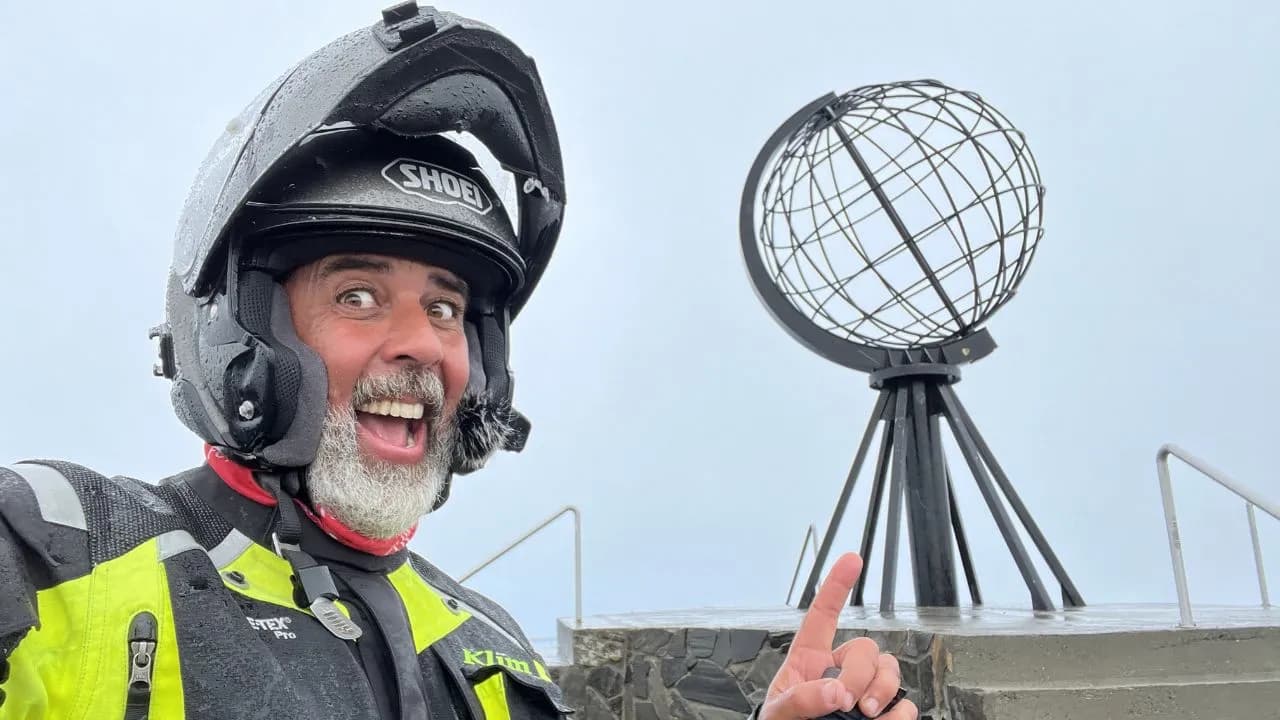
VER LA GUÍA DE RUTA CON TRACK GPX →
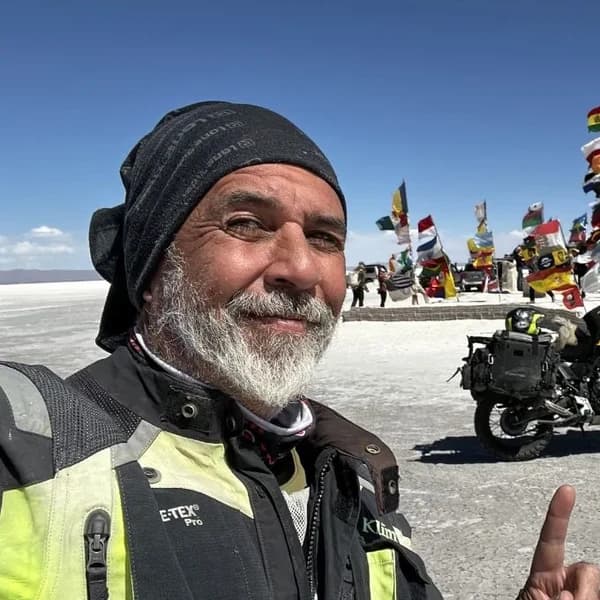
Gustavo Correa
Motoviajero, autor y consultor de viajes en moto. +110.000 km por 4 continentes con Gloria, mi moto. Todo lo que lees aquí está probado en la carretera, no en un despacho.
Conoce mi historia →Última verificación: 2026-08-29
UN REGALO POR ESTAR AQUÍLA AVENTURA DE VIVIR LIBRE
Sientes que el miedo o la duda te paralizan antes de arrancar cualquier proyecto? No estás solo, a todos nos ha pasado.
Como agradecimiento por visitar mi página, te regalo mi libro "La Aventura de Vivir Libre". Un manual diseñado para darte un poco de luz entre tantas sombras y mostrarte la filosofía que me ha permitido recorrer el mundo durante años.
* PDF DIRECTO A TU BANDEJA. SIN SPAM.