VIAJAR EN MOTO POR Kenia
RESPUESTA RÁPIDA
Kenia es uno de los tramos clave de la ruta clásica El Cairo-Ciudad del Cabo, con Moyale como paso obligado desde Etiopía y Namanga o Isebania como puerta hacia Tanzania. El trámite de entrada tiene más capas que en Sudamérica: hace falta el eTA (autorización electrónica — ya no hay visa a la llegada), un Carnet de Passage para la moto si tu matrícula no es de la región EAC/COMESA, y el seguro regional COMESA Yellow Card. Con esos tres papeles resueltos, cruzar es un trámite rutinario según los relatos de overlanders en Horizons Unlimited.
LO QUE NECESITAS SABER
El país al que piensas entrar tiene particularidades que tienes que conocer.
Antes de cruzar la frontera hay cuatro cosas que tienes que tener resueltas: qué tan seguro es el país, qué seguro es obligatorio para tu moto, dónde vas a encontrar combustible y cuándo conviene ir. Ninguna es opcional.
SEGURIDAD: RIESGO MODERADO (3/5)
Es seguro Kenia para entrar en moto? Sí, en la ruta habitual del overlander — el riesgo real está concentrado en el extremo norte, no en el camino entre Nairobi y las fronteras principales.
ZONAS A EVITAR
- Mandera, Wajir y Garissa (fuera de las ciudades principales): Actividad de al-Shabaab documentada cerca de la frontera con Somalia — el Departamento de Estado de EE. UU. y el gov.uk piden no viajar a estas zonas, incluso dentro de los 60 km de la frontera.
- Lamu County (norte de Malindi) y la Reserva de Boni: Riesgo de secuestro y ataques terroristas; el propio gov.uk excluye solo las islas de Lamu y Manda de la recomendación de evitar todo viaje.
- Eastleigh y Kibera (Nairobi): Crimen violento documentado, incluyendo secuestro exprés — no son barrios de tránsito para un motoviajero.
- Thika Road y Mombasa Road de noche: Asaltos y carjackings reportados en el tramo de Survey of Kenya y otros puntos de estas autopistas, sobre todo después del atardecer.
DÓNDE DEJAR LA MOTO
- Parking: En la calle: bien de día en zonas con movimiento. De noche, busca parking cerrado, un hotel con guardia (askari) o una estación de servicio con cámaras — es la norma local, no una exageración de turista.
- Alarma: Recomendable: sí, sobre todo en Nairobi y Mombasa. En zonas rurales del Rift Valley o camino a Moyale es menos crítico.
- Equipaje: Saca lo que puedas cargar (tank bag, cámara, electrónica) al estacionar, incluso en paradas cortas. No dejes nada a la vista sobre el asiento del pasajero.
- Visión: Estaciona donde haya un askari (guardia de seguridad) o movimiento constante de gente — es habitual en hoteles y comercios kenianos, úsalo a tu favor.
CONSEJOS
- ➜Evita entrar o salir de Nairobi de noche, sobre todo por Thika Road o Mombasa Road.
- ➜No te desvíes de la A2 pavimentada en el tramo Isiolo-Moyale, y evita rodar cualquier tramo del norte después del atardecer.
- ➜Súmate a una caravana de overlanders o contrata un guía para el tramo Marsabit-Moyale si es tu primera vez en la región.
Fuera de la frontera con Somalia y de esos puntos puntuales de Nairobi, Kenia es un país que decenas de motoviajeros cruzan cada año en la ruta hacia Tanzania o Etiopía sin incidentes.
SEGURO OBLIGATORIO: COMESA Yellow Card
Seguro de responsabilidad civil válido en los países del COMESA (incluye Kenia, Etiopía, Tanzania y Uganda, entre otros). Se compra en la frontera o a través de aseguradoras como AA Kenya, normalmente después de contratar una póliza local de terceros. Su cobertura no aplica dentro del país donde lo compraste — solo en el resto de la región COMESA.
ASEGURADORAS PARA MATRÍCULAS NO MERCOSUR
COMBUSTIBLE: BUENA EN RUTAS PRINCIPALES
Estaciones frecuentes en la A2 (Nairobi-Moyale, ya pavimentada hasta la frontera) y en las rutas turísticas del Rift Valley. Kenia tiene antecedentes de cortes de suministro puntuales, sobre todo en el interior — así que conviene cargar tanque lleno antes de tramos largos y llevar una reserva extra hacia el norte remoto (Marsabit-Moyale).
MEJOR ÉPOCA: JUN → OCT
Junio a octubre, la temporada seca larga: los caminos de tierra del Rift Valley y el norte se mantienen firmes y las rutas de safari están en su mejor momento. Evita abril y mayo (lluvias largas, barro que puede volver intransitables los tramos no pavimentados) y ten cuidado en noviembre (lluvias cortas, más impredecibles).
ENTRAR A KENIA EN MOTO
Entrar a Kenia con la moto no es tan simple como en Sudamérica, pero tampoco es un trámite temido entre los overlanders que hacen la ruta El Cairo-Ciudad del Cabo. Según los relatos en Horizons Unlimited y la Overlanding Association, el punto de partida es entender que Kenia trata distinto a las matrículas de la región (EAC/COMESA) y a las de fuera de África — la mayoría de los motoviajeros que llegan desde Europa o América caen en el segundo grupo.
El trámite tiene dos pasos:
Migraciones: Sella tu pasaporte de entrada — necesitas el eTA aprobado de antemano, ya no hay visa al llegar.
Aduana: Emite el Foreign Vehicle Permit (Formulario C32) para la moto, contra tu Carnet de Passage, en el mismo puesto fronterizo.
El Form C32 en sí no tiene costo en la aduana keniata — es el trámite de entrada, no un impuesto. Lo que sí tiene precio es el depósito de garantía de tu Carnet de Passage, que pagas antes de salir de tu país, no en la frontera.
Punto de fricción real:el Foreign Permit para matrículas fuera de EAC/COMESA es gratis solo los primeros 14 días — pasado ese plazo, el TIP (Temporary Import Permit) cuesta unos USD 20 por moto y, según relatos de overlanders, algunos puestos fronterizos solo aceptan chelines kenianos en efectivo, no dólares ni tarjeta.
Los pasos remotos (por ejemplo Isebania, si tu moto no lleva Carnet) piden más papeleo y a veces conviene un agente local para agilizar el trámite. Los siete puestos fronterizos oficiales (One-Stop Border Post) — Moyale, Namanga, Isebania, Busia, Malaba, Taveta y Lunga Lunga — son los más ordenados.
DOCUMENTACIÓN NECESARIA
Pasaporte: Vigente al menos 6 meses desde la fecha de entrada.
eTA (Autorización Electrónica de Viaje): USD 30, se tramita online antes de viajar — Kenia eliminó la visa a la llegada.
Carnet de Passage en Douane: Obligatorio para matrículas fuera de la región EAC/COMESA — lo emite el club automovilístico de tu país de origen.
Formulario C32 / Foreign Vehicle Permit: Se tramita en el mismo puesto fronterizo, contra el Carnet de Passage.
Carnet de conducir: El de tu país alcanza si está en inglés; si no, se recomienda el Permiso Internacional de Conducir.
Certificado de fiebre amarilla: Obligatorio si llegas desde o transitaste por un país con riesgo de fiebre amarilla, como Etiopía — el caso típico de quien entra por Moyale.
COMESA Yellow Card: Seguro regional de responsabilidad civil, se compra en la frontera o en Nairobi.
Con estos papeles resueltos, entrar a Kenia con la moto es un trámite ordenado en los siete puestos fronterizos principales. La recomendación que más se repite entre motoviajeros: gestiona el Carnet de Passage antes de salir de casa — es la pieza que más dolores de cabeza evita en toda la ruta hacia el sur de África.
PRESUPUESTO DIARIO
Este rango de precios combina alojamientos económicos, cocina propia y mantenimiento básico de la moto — los tres rubros que más pesan en el presupuesto diario de cualquier motoviajero.
El verdadero presupuesto diario lo armas tú, de acuerdo a tus necesidades y tus límites, pero si quieres tener una idea de cómo armar el tuyo, elige tu categoría para ver la guía completa:
Desglose completo por rubro en la guía de presupuesto
LAS 10 MEJORES RUTAS EN MOTO POR KENIA
Este top 10 está ordenado de mayor a menor fama real entre motoviajeros: arriba están las rutas que cualquiera que investigue viajar en moto por Kenia encuentra primero — las que más aparecen en foros como Horizons Unlimited y ADVrider, en relatos de viaje y en las listas de rutas trans-africanas — y más abajo las que siguen siendo genuinas pero con menos recorrido y documentación internacional.
Antes de salir hacia el norte de Kenia conviene tener resuelto todo lo logístico, desde el papeleo hasta el kit de herramientas. Revisacómo preparar un viaje largo en motopara no llegar a Marsabit improvisando.
En tramos como el Turkana o el Desierto de Chalbi no hay taller a la vuelta de la esquina, así que repasarla guía de mecánica para viajes largos en motoantes de salir puede ahorrarte quedar varado en pleno desierto.
Lago Turkana:la Ruta del Mar de Jade
De Nairobi a Loiyangalani, vía Maralal y South HorrPara el motoviajero internacional, cruzar hasta el Lago Turkana en moto es sinónimo de Kenia: es la travesía que aparece primero en casi cualquier búsqueda sobre motos en este país, y el tramo obligado para quien encara el corredor de El Cairo a Ciudad del Cabo por el lado este de África.
El destino es el lago desértico más grande del mundo y el más alcalino de África oriental, con casi 290 km de largo. Los propios paleontólogos lo consideran cuna de la humanidad: a sus orillas se hallaron algunos de los fósiles de homínidos más antiguos del planeta, y el color turquesa de sus aguas le valió el apodo de Mar de Jade.
Maralal, el último pueblo con bencina segura, funciona hace décadas como base de los viajeros que se lanzan hacia el norte — unas 12 horas de camino de tierra hasta el lago, según documentan tanto guías locales como los propios reportes de viaje en foros como Horizons Unlimited. Desde ahí el camino cruza territorio samburu, sube el paso de South Horr entre montañas volcánicas y desemboca en Loiyangalani, un oasis de palmeras rodeado de lava negra.
ADVERTENCIAS DE ESTA RUTA
Esto es lo que necesitas tener en cuenta antes de meterte en esta ruta.
- 01Autonomía de combustible
Crítica más allá de Maralal. Después de esa localidad no hay estaciones oficiales hasta Loiyangalani — llevar bidones extra es obligatorio.
- 02Vientos extremos en la costa del lago
El propio lago es célebre por vientos costeros e interiores extremadamente fuertes, sobre todo cerca de Loiyangalani — un factor real a considerar manejando con equipaje.
Nairobi a Moyale:la Autopista al Cuerno de África
De Isiolo a Moyale, en la frontera con EtiopíaDurante décadas, recorrer Nairobi a Moyale en moto tuvo fama de ser la prueba más dura de toda la ruta Cairo-Ciudad del Cabo: generaciones de motoviajeros trans-africanos documentaron en foros como Horizons Unlimited y ADVrider los más de 500 km de corrugado, polvo y baches que separaban Isiolo de la frontera etíope, apodados por muchos el peor camino de África.
Todo cambió en 2016, cuando el gobierno de Kenia terminó de asfaltar por completo el tramo Isiolo-Marsabit-Moyale. Hoy la ruta se recorre en poco más de un día de asfalto liso, atravesando el desierto volcánico donde se asienta Marsabit, ciudad refugio en la ladera de un volcán extinto rodeado de selva de niebla.
Sigue siendo, sin embargo, la puerta de entrada obligada hacia Etiopía y el resto del corredor este-africano — la ruta que cualquier motoviajero que sube o baja el continente completo tiene marcada en el mapa, aunque hoy la disfrute mucho más que sus predecesores de los 2000 y 2010.
ADVERTENCIAS DE ESTA RUTA
Esto es lo que necesitas tener en cuenta antes de meterte en esta ruta.
- 01Autonomía de combustible
Regular. Hay estaciones en Isiolo, Marsabit y Moyale; el tramo Marsabit-Moyale, de unos 250 km, no tiene abastecimiento oficial.
El Escarpe del Valle del Rift:Nairobi a Naivasha
Antigua carretera A104, vía Mai MahiuEl descenso del Escarpe del Valle del Rift en moto es, para la mayoría de los motoviajeros que llegan a Nairobi, el primer contacto real con el Gran Valle del Rift: la carretera baja varios cientos de metros en pocos kilómetros, revelando de golpe el fondo del valle salpicado de volcanes y lagos alcalinos.
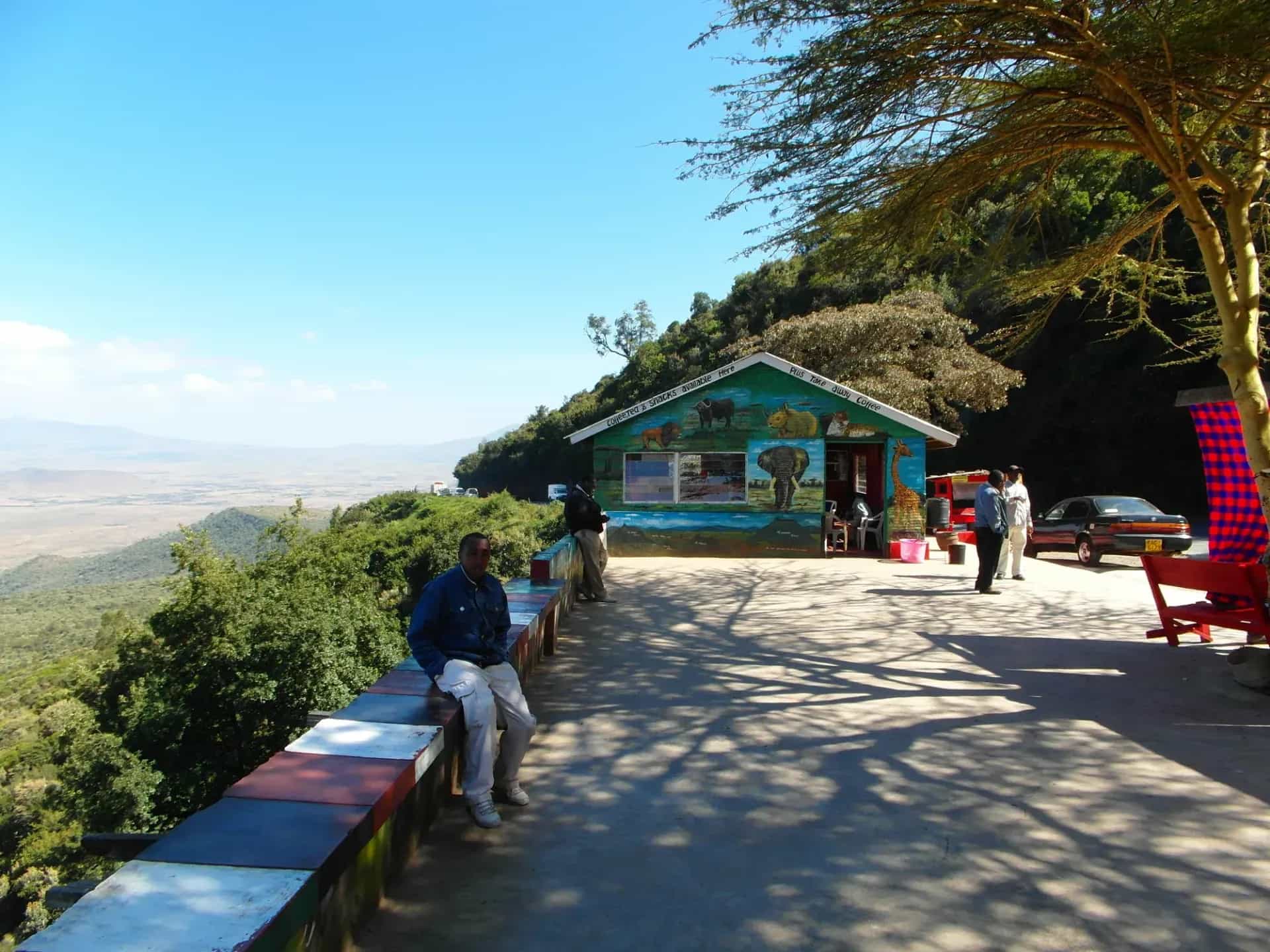
El mirador junto a la vieja carretera A104, con sus puestos de artesanías maasai, es probablemente el punto panorámico más fotografiado de Kenia — el que aparece en la portada de casi cualquier guía de viaje del país. Geológicamente, este tramo forma parte del Rift Africano Oriental, la falla donde el continente se separa en dos placas tectónicas.
Aunque hoy existe una autopista más nueva y rápida entre Nairobi y Nakuru, la antigua A104 que pasa por Mai Mahiu sigue siendo la preferida por los motoviajeros que buscan la curva cerrada y la vista, no la velocidad — el camino de entrada natural hacia Naivasha, el Turkana o la Mara.
ADVERTENCIAS DE ESTA RUTA
Esto es lo que necesitas tener en cuenta antes de meterte en esta ruta.
- 01Autonomía de combustible
Excelente. Estaciones completas en Nairobi, Limuru, Mai Mahiu y Naivasha.
La Maasai Mara:la Ruta Safari desde Nairobi
De Nairobi a la Reserva Nacional Maasai Mara, vía NarokLlegar a la Maasai Mara en moto significa cruzar primero la meseta agrícola de Narok y bajar después por el escarpe de Esoit, el límite occidental del Valle del Rift, hasta entrar a casi 1.500 metros de altura en una de las sabanas más filmadas del planeta.
Cada año, entre julio y octubre, cerca de 1,3 millones de ñus cruzan el río Mara en su migración anual desde el Serengeti tanzano — el mismo espectáculo que documentales de naturaleza llevan décadas grabando aquí, y que convierte esta ruta en una de las más buscadas por quienes combinan aventura en moto con safari.
Dentro de la reserva no se permite circular fuera de las pistas marcadas ni acercarse a pie a la fauna, así que la moto se vuelve, en la práctica, un vehículo de safari más entre los todoterreno — algo que sorprende a cualquiera que investigue por primera vez cómo es recorrer la Maasai Mara en moto.
ADVERTENCIAS DE ESTA RUTA
Esto es lo que necesitas tener en cuenta antes de meterte en esta ruta.
- 01Autonomía de combustible
Buena hasta Narok, limitada después. Cargar el tanque completo en Narok antes de entrar a la reserva.
El Monte Kenia:el Circuito de Nanyuki, Naro Moru y Chogoria
Condados de Laikipia, Meru y Tharaka-NithiRodear el Monte Kenia en moto es trazar un círculo de unos 220 km alrededor del segundo pico más alto de África, un antiguo estratovolcán que llegó a medir hasta 7.000 metros antes de que la erosión y las glaciaciones lo redujeran a los 5.199 metros actuales de su cumbre Batian.
La montaña está a apenas 16,5 km al sur de la línea del ecuador, así que cruzar el circuito significa pasar del hemisferio norte al sur más de una vez en un mismo día de ruta — un dato que sorprende a cualquiera que investigue este circuito por primera vez.
Nanyuki, en el lado norte, es la base logística clásica; Naro Moru al oeste y Chogoria al este son las puertas de entrada a los senderos de trekking hacia la cumbre. El agua que nace en sus glaciares abastece a más de dos millones de personas río abajo, lo que convierte a la montaña en el corazón hídrico de todo el centro de Kenia.
ADVERTENCIAS DE ESTA RUTA
Esto es lo que necesitas tener en cuenta antes de meterte en esta ruta.
- 01Autonomía de combustible
Buena. Estaciones en Nanyuki, Naro Moru, Chogoria y Meru; el circuito nunca se aleja mucho de un pueblo.
El Valle del Kerio:el Balcón de Iten a Kabarnet
Escarpe de Elgeyo, condados de Elgeyo-Marakwet y BaringoRecorrer el Valle del Kerio en moto por el borde del Escarpe de Elgeyo es asomarse a una pared que cae más de 1.800 metros hacia el fondo del valle — casi el doble de profundidad que el Gran Cañón visto desde algunos de sus miradores.
Abajo, el Valle del Kerio es una grieta del Rift Africano formada hace entre 22 y 25 millones de años, de apenas 10 km de ancho por 80 km de largo, por donde serpentea el río Kerio entre matorrales espinosos y una vegetación semitropical que contrasta con la meseta fría de arriba.
Iten, el punto de partida, es mundialmente famosa como cuna de los mejores fondistas de Kenia — el mismo aire enrarecido a 2.400 metros que forjó campeones olímpicos es el que la moto sube y baja en esta ruta, mucho menos conocida fuera de Kenia que el Turkana o la Mara, pero venerada por los motoviajeros locales como la mejor carretera de curvas del país.
ADVERTENCIAS DE ESTA RUTA
Esto es lo que necesitas tener en cuenta antes de meterte en esta ruta.
- 01Autonomía de combustible
Buena. Estaciones en Iten, Tambach y Kabarnet a lo largo de todo el recorrido.
Hell's Gate:el Parque Nacional que se Cruza en Moto
Cerca de Naivasha, Valle del RiftHell's Gate en moto es, literalmente, un privilegio único: es uno de los dos únicos parques nacionales de Kenia donde está permitido circular en moto, andar en bicicleta y hasta acampar sin necesidad de guía armado — en el resto del país, entrar a un parque en dos ruedas es directamente imposible.
El paisaje explica por qué el equipo de animadores de El Rey León visitó este lugar para inspirarse: las torres volcánicas de Fischer y Central, y la Garganta del Infierno con sus paredes rojas, dieron forma visual a buena parte de la película de 1994.
A 1.900 metros de altura y con apenas 68 km² de superficie, el parque se recorre completo en un par de horas, lo que lo convierte en la escapada perfecta de medio día desde Nairobi o desde cualquier otra ruta que pase por Naivasha — probablemente la introducción más suave y espectacular al off-road en Kenia.
ADVERTENCIAS DE ESTA RUTA
Esto es lo que necesitas tener en cuenta antes de meterte en esta ruta.
- 01Autonomía de combustible
Excelente. Naivasha, a 15 minutos del portón de entrada, tiene estaciones completas.
- 02Fauna suelta cruzando la pista
A diferencia del resto de los parques de Kenia, aquí no hay vallas: cebras, ñus y búfalos comparten literalmente el mismo camino que motos y bicicletas.
Amboseli:la Ruta a los Pies del Kilimanjaro
De Nairobi a Amboseli, vía Namanga, frontera con TanzaniaLlegar hasta Amboseli en moto por la carretera de Namanga es apostar, literalmente, a la ruleta del clima: cuando el cielo está despejado, el Kilimanjaro —la montaña más alta de África, del lado tanzano de la frontera— se levanta completo sobre la sabana, con su cumbre nevada reflejada en los pantanos del parque.
Namanga, el pueblo fronterizo a mitad de camino, es un cruce clásico para quien sigue viaje hacia Tanzania y el Serengeti, y convierte a esta ruta en una extensión natural para cualquier motoviajero que ya esté cruzando el este de África de norte a sur.
El polvo volcánico fino que cubre buena parte de los 392 km² del parque —sedimento antiguo del propio Kilimanjaro— es la marca registrada de cualquier foto de safari en moto por Amboseli: cubre motos, cascos y alforjas de un gris ceniciento que no sale fácil en el primer lavado.
ADVERTENCIAS DE ESTA RUTA
Esto es lo que necesitas tener en cuenta antes de meterte en esta ruta.
- 01Autonomía de combustible
Buena hasta Namanga y Kimana; dentro del parque no hay abastecimiento.
El Desierto de Chalbi:la Otra Cara del Turkana
Condado de Marsabit, extremo norte de KeniaCruzar el Desierto de Chalbi en moto es entrar al antiguo lecho de un lago que existió hace apenas 10.000 u 11.000 años y hoy es una de las superficies más planas y áridas de toda África oriental: 110 km de largo por hasta 20 km de ancho, salpicados de colinas de lava que son la única referencia visual en el horizonte.
Es, en la práctica, la continuación lógica de la ruta del Lago Turkana para quien no se conforma con Loiyangalani y sigue hacia el oriente del lago: pocos motoviajeros llegan hasta aquí, lo que convierte a Chalbi en uno de los tramos más remotos y menos documentados de todo el país, reservado casi en exclusiva a expediciones serias.
Vientos de más de 50 km/h soplan más de 50 días al año sobre la superficie del ex lago, levantando espejismos y polvo fino que se filtra en cualquier equipaje — la vieja regla de los guías locales, salir de Marsabit con el tanque lleno y sin apuro, sigue siendo, literalmente, la única que importa acá.
ADVERTENCIAS DE ESTA RUTA
Esto es lo que necesitas tener en cuenta antes de meterte en esta ruta.
- 01Autonomía de combustible
Crítica. No hay combustible entre Marsabit y North Horr — llevar bidones extra es obligatorio, sin excepción.
- 02Vientos fuertes y constantes
La superficie del ex lago registra vientos de más de 50 km/h más de 50 días al año, con riesgo real de ráfagas cruzadas y espejismos que dificultan ver el camino.
Thomson's Falls:el Bucle de Nyahururu y las Aberdares
Nyahururu y estribaciones del Parque Nacional AberdareLlegar hasta Thomson's Falls en moto es rodar hasta uno de los pocos rincones de Kenia que llevan el nombre de un europeo del siglo XIX: el explorador y geólogo escocés Joseph Thomson la descubrió en 1883, en la misma expedición en la que se convirtió en el primer europeo en cruzar a pie desde Mombasa hasta el Lago Victoria, y bautizó la caída de agua en homenaje a su padre.
Los 74 metros de caída, a 2.360 metros de altura sobre el río Ewaso Ng'iro, siguen impresionando hoy igual que impresionaron a Thomson, que describió el estruendo formidable de las aguas cayendo hacia una garganta sombría.
Desde Nyahururu, el bucle sube hacia las estribaciones del Parque Nacional Aberdare, un macizo cubierto de bosque de niebla y bambú que corta el horizonte hacia el sur — el cierre perfecto de medio día para cualquier motoviajero que ya recorrió el Valle del Rift y busca una última vista de altura antes de volver a Nairobi.
ADVERTENCIAS DE ESTA RUTA
Esto es lo que necesitas tener en cuenta antes de meterte en esta ruta.
- 01Autonomía de combustible
Buena. Estaciones completas en Nyahururu y Nyeri en todo el recorrido.
PAÍSES VECINOS
Vas a cruzar la frontera? Haz clic en un país para ver sus 10 mejores rutas en moto.
PREGUNTAS FRECUENTES
01Necesito Carnet de Passage para entrar a Kenia con mi moto?
+
Necesito Carnet de Passage para entrar a Kenia con mi moto?
Sí, si tu matrícula no es de un país de la EAC o el COMESA. Kenia lo exige como International Circulation Permit para vehículos de fuera de la región — lo emite el club automovilístico de tu país antes de salir de viaje.
02Qué es el eTA de Kenia y cuánto cuesta?
+
Qué es el eTA de Kenia y cuánto cuesta?
Es la Autorización Electrónica de Viaje que reemplazó a la visa a la llegada desde enero de 2024. Cuesta USD 30 en trámite estándar (hasta 72 horas), aunque puede demorar más — conviene pedirla al menos una semana antes de cruzar la frontera.
03Es seguro viajar en moto por el norte de Kenia hacia Etiopía?
+
Es seguro viajar en moto por el norte de Kenia hacia Etiopía?
La carretera A2 hasta Moyale está pavimentada y en buen estado, pero el Departamento de Estado de EE. UU. y el gov.uk piden no viajar dentro de los 60 km de la frontera con Somalia. Marsabit y Moyale, sobre la propia A2, quedan fuera de esa alerta — el riesgo se concentra al este, en Mandera y Wajir.
04Necesito el certificado de fiebre amarilla para entrar a Kenia?
+
Necesito el certificado de fiebre amarilla para entrar a Kenia?
Es obligatorio si llegas desde un país con riesgo de fiebre amarilla o transitaste más de 12 horas por uno — el caso típico de quien entra por Moyale desde Etiopía. Si llegas volando directo desde Europa o América sin escalas en zonas de riesgo, no te lo piden.
05Cuánto dura el permiso de importación temporal para la moto?
+
Cuánto dura el permiso de importación temporal para la moto?
El Form C32 gratuito de 14 días aplica solo a matrículas EAC/COMESA. Con Carnet de Passage, el Foreign Vehicle Permit se otorga por un mes, con posibilidad de extensión en las oficinas regionales de Aduanas si un oficial verifica la moto físicamente.
06Cuál es el mejor paso fronterizo para entrar a Kenia en moto desde Tanzania?
+
Cuál es el mejor paso fronterizo para entrar a Kenia en moto desde Tanzania?
Namanga y Busia son los más transitados y ordenados, con infraestructura de One-Stop Border Post. Isebania pide más papeleo si tu moto no lleva Carnet, según relatos de overlanders.
07Hay gasolineras en todo el trayecto entre Nairobi y Moyale?
+
Hay gasolineras en todo el trayecto entre Nairobi y Moyale?
Sí, la A2 pavimentada tiene estaciones en las localidades principales (Isiolo, Marsabit), pero los tramos entre pueblos son largos y Kenia tiene antecedentes de cortes de suministro puntuales en el norte — conviene salir con el tanque lleno y llevar una reserva extra.
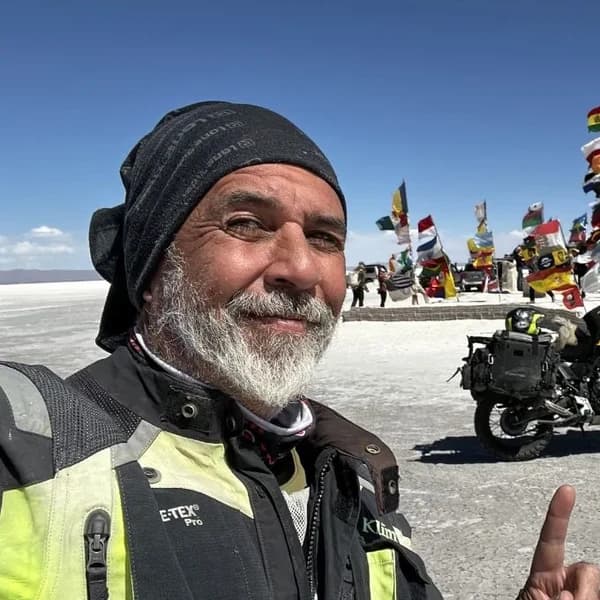
Gustavo Correa
Motoviajero, autor y consultor de viajes en moto. +110.000 km por 4 continentes con Gloria, mi moto. Todo lo que lees aquí está probado en la carretera, no en un despacho.
Conoce mi historia →Última verificación: 2026-08-29
Fuentes consultadas (17)+
UN REGALO POR ESTAR AQUÍLA AVENTURA DE VIVIR LIBRE
Sientes que el miedo o la duda te paralizan antes de arrancar cualquier proyecto? No estás solo, a todos nos ha pasado.
Como agradecimiento por visitar mi página, te regalo mi libro "La Aventura de Vivir Libre". Un manual diseñado para darte un poco de luz entre tantas sombras y mostrarte la filosofía que me ha permitido recorrer el mundo durante años.
* PDF DIRECTO A TU BANDEJA. SIN SPAM.